Groundhog Reservoir Access, Safety, and Stewardship Guide for Dolores County
Groundhog Reservoir and adjacent public lands north of Dove Creek are vital for local fishing, hunting, recreation, and working lands. This article compiles practical, locally relevant information on access, regulations, safety, and community impacts that residents and visitors should know before traveling.
Groundhog Reservoir, often called Groundhog Lake, and the surrounding public lands provide fishing, hunting, winter recreation and backcountry access that are central to Dolores County life and economy. The reservoir sits in high country north of Dove Creek and is reached by a mix of county and Forest Service roads whose conditions change with the seasons. Visitors should plan ahead: outside of paved primary routes, high-clearance vehicles are often recommended and some roads may be impassable in winter without chains or snow equipment.
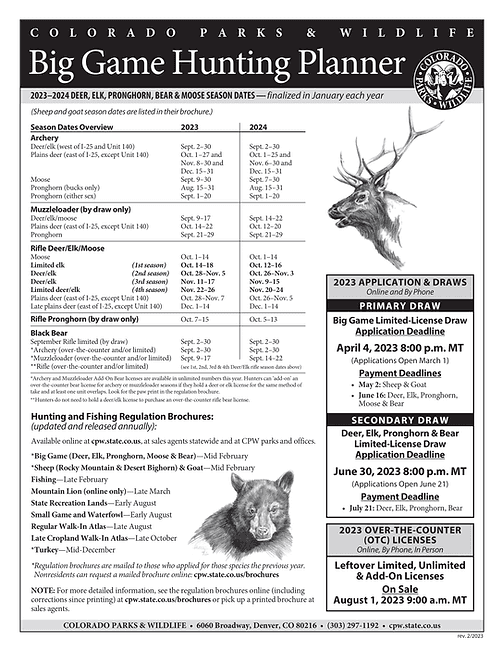
Angling, hunting and seasonal restrictions are governed by Colorado Parks & Wildlife, and regulations for bag limits, seasons and licenses apply. Popular activities include trout fishing from shore and small boats, dispersed camping, regulated hunting, snowmobiling and cross-country skiing where conditions permit. Facilities at the site are limited; boat ramps, restrooms and vault toilets may be primitive or closed in winter, and there are no staffed services onsite. The nearest full services for fuel, groceries and lodging are in Dove Creek, so bring fuel, potable water and a first-aid kit before traveling.
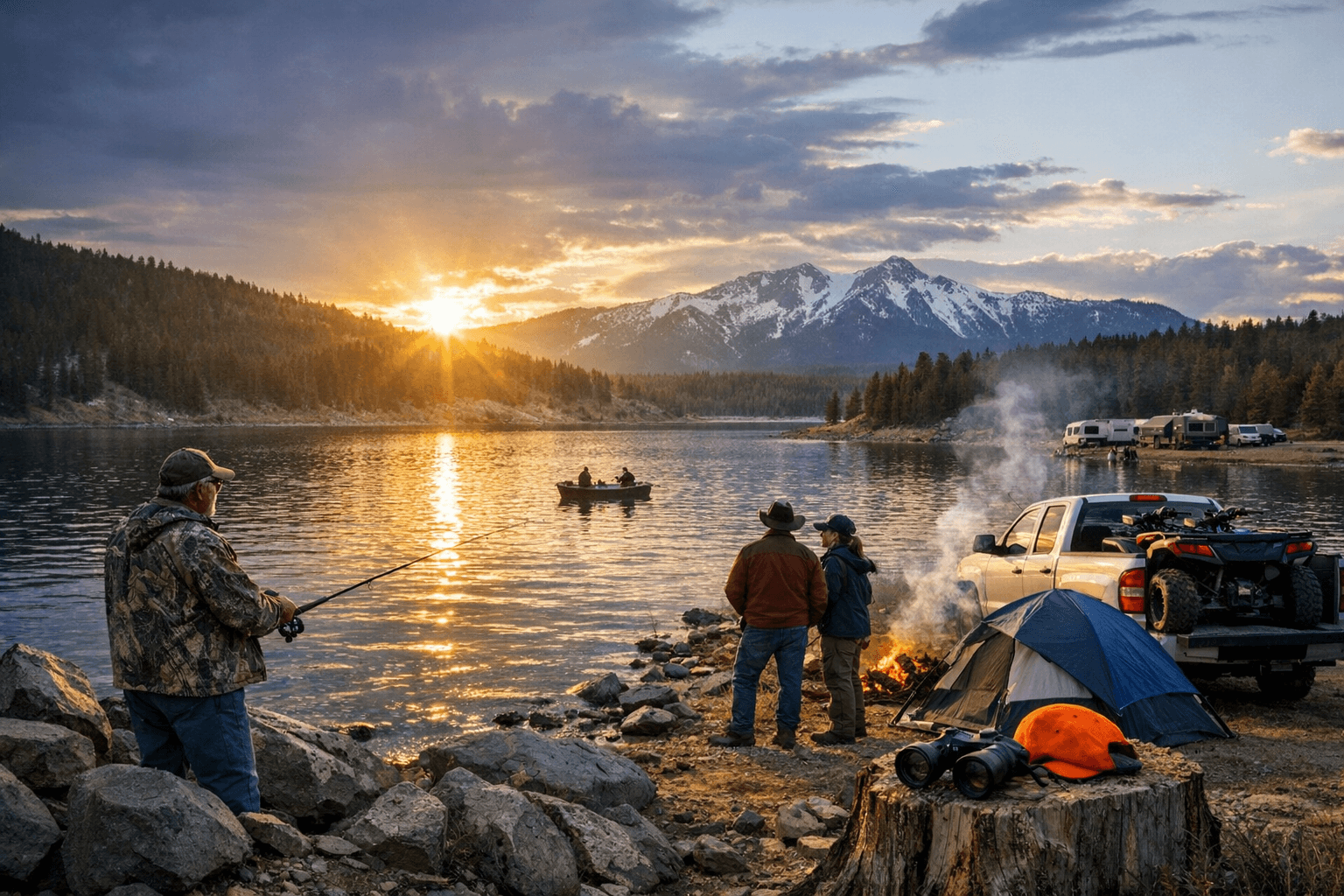
The reservoir and nearby meadows provide habitat for waterfowl, upland birds, mule deer and elk at different times of year. Visitors should follow Leave No Trace principles, stay a respectful distance from wildlife and comply with seasonal closures for nesting or habitat protection. Dispersed camping is allowed on many Forest Service lands, but rules on campfire use, distance from water, and time limits apply. Campfire and burn restrictions are handled by local fire authorities and the San Juan National Forest or Bureau of Land Management; check current restrictions before lighting any fire.
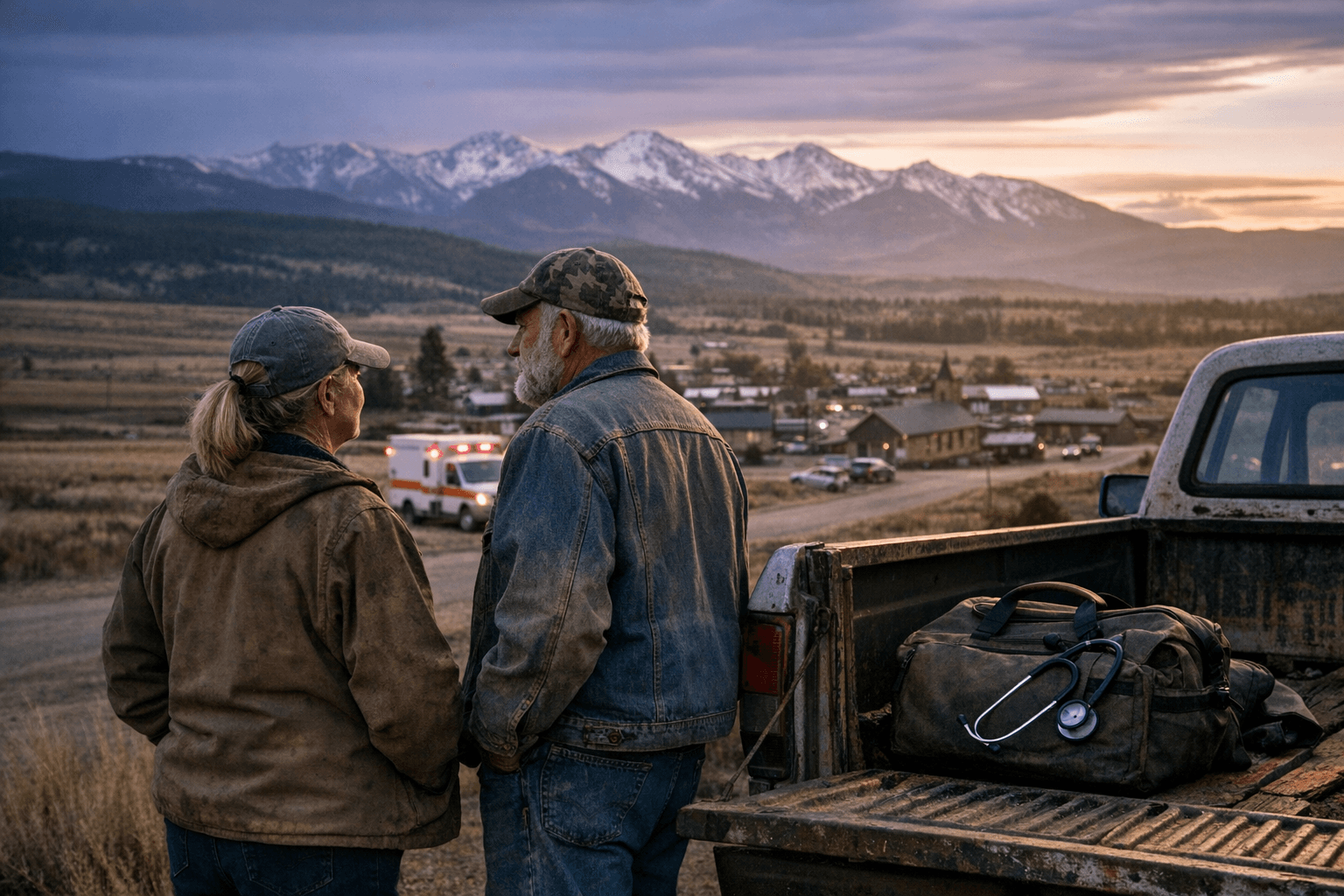
Public health and safety concerns are heightened by the area’s remoteness. Weather in the high country is changeable, with summer afternoons often bringing storms and winter snowpack creating icy roads. Cell service should not be relied upon, so carry topographic maps or a GPS device and prepare for limited emergency response time. Smoke from wildfires and local burn bans can affect air quality and public health; stay informed on local fire conditions and restrictions.
Groundhog Reservoir supports local outfitters, seasonal tourism and long-standing hunting and fishing traditions that contribute to the county’s outdoor-recreation economy. That value depends on careful stewardship, clear communication from land managers, and respect for private property and grazing allotments. Vehicle requirements and distance to services can create barriers for residents with limited resources or mobility; equitable access and emergency planning are local policy priorities that affect community health and inclusion.
For current access, trail and closure information, contact Dolores County road or land offices, the San Juan National Forest or the responsible BLM field office, and Colorado Parks & Wildlife for fishing and hunting rules. Before you go, bring potable water, cell-free navigation tools, appropriate vehicle equipment, and plan around local closures, burn bans and wildlife protections.
Know something we missed? Have a correction or additional information?
Submit a Tip