Guide to Castlewood Canyon State Park: Trails, Safety, Community Benefits
This guide explains what Castlewood Canyon State Park offers and how residents can use it safely and equitably. You will learn about the park’s key trails and natural features, practical visitor tips, and the public-health and community-policy implications of having this outdoor resource nearby.

1. Quick overview of Castlewood Canyon State Park Castlewood Canyon State Park sits within Douglas County and offers close-in outdoor access for residents of Castle Rock, Highlands Ranch, Lone Tree, Castle Pines, and Parker.
The park is known for scenic canyon trails, dramatic canyon walls and rock outcrops, picnic sites, and seasonal creekside scenery that attracts hikers, families, and nature observers. This overview helps you plan visits that match your interests—whether geology, birdwatching, or a simple picnic—while appreciating the park as a local green space.
2. Rim Rock Trail — what to expect The Rim Rock Trail is a highlight for visitors seeking canyon-edge views and exposure to the park’s signature rock formations.
Expect a trail that follows higher ground along the canyon rim, with lookout points that reveal the steep walls and layered geology below. The trail is suitable for most hikers seeking moderate elevation change and offers photo opportunities and interpretive moments about the land’s geological history.
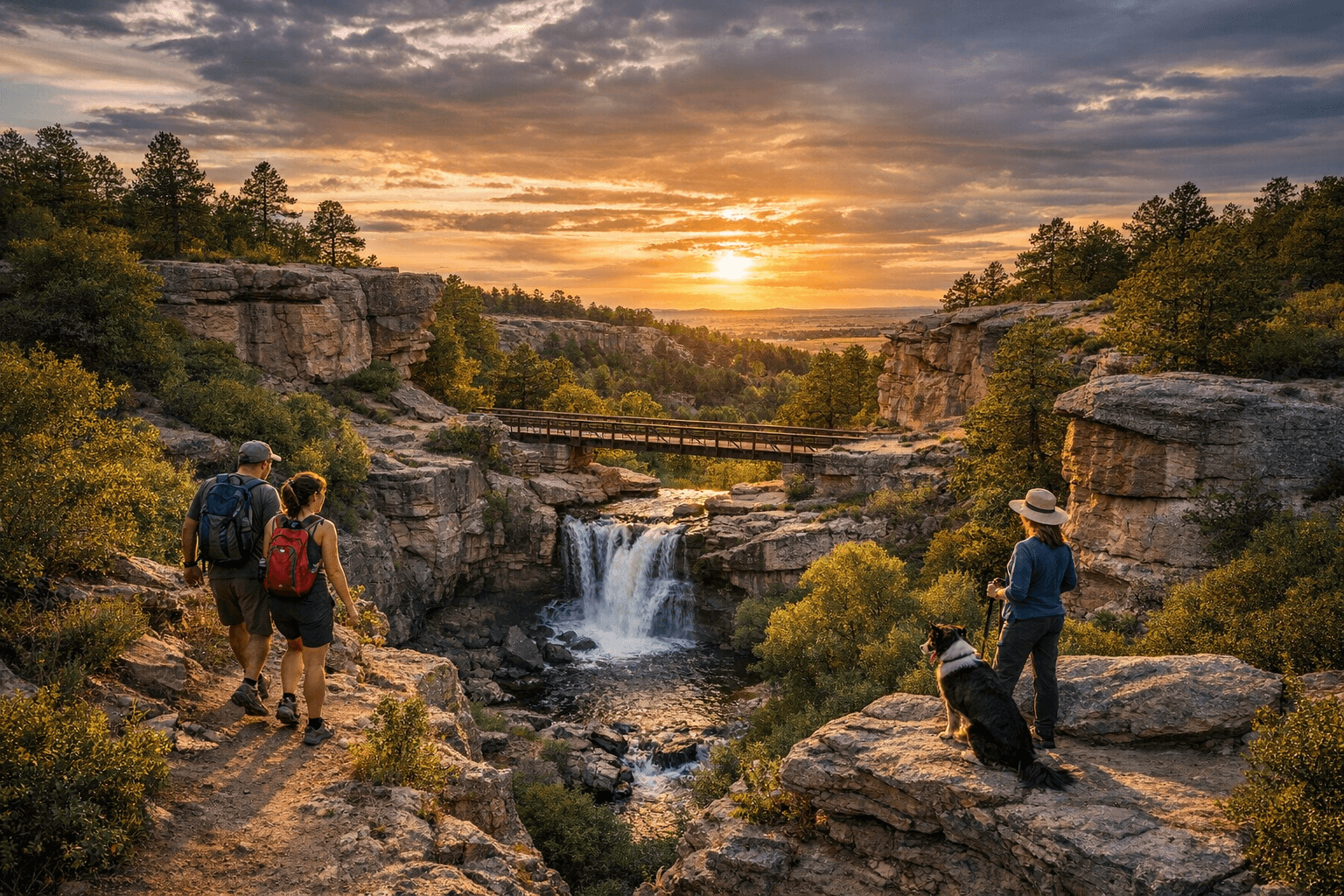
3. Spring Branch Trail — the creekside experience The Spring Branch Trail provides a different feel, with more creekside scenery and a closer connection to riparian habitats.
This route is particularly appealing in seasons when the creek is active, offering shade, cooler microclimates, and good birdwatching opportunities. You’ll encounter more varied vegetation and likely see seasonal shifts in plant and wildlife activity, making it a rewarding route for repeat visits.
4. Hiking difficulty and preparation Trails at Castlewood Canyon are generally described as easy to moderate, but conditions can shift with season and weather.
Wear trail-appropriate footwear, plan for elevation changes, and factor in time for rest and observation. If you have mobility limitations, choose routes and timings that match your stamina; bringing a companion can increase safety and enjoyment.
5. Geology and natural features The park’s dramatic canyon and rock outcrops are key educational and recreational draws, exposing visitors to local sedimentary layers and erosional features.
These formations offer a place for informal geology learning for families and school groups, and they underscore the region’s natural history. Respect for rock faces and posted closures preserves these features and reduces safety risks from unstable sections.
6. Wildlife, birdwatching, and stewardship Castlewood Canyon supports birdwatching and other wildlife observation, particularly along creekside and riparian areas where species congregate seasonally.
Practice ethical wildlife viewing: maintain distance, keep noise low, and avoid feeding animals to protect both you and native species. Observing wildlife in the park can be restorative—supporting mental health and community well-being—while underscoring the need to protect habitat.
- Check the Colorado Parks & Wildlife page for current closures and alerts before departure.
- Bring at least one liter of water per hour in warm weather and extra for group members.
- Follow posted signage and avoid closed areas to reduce rockfall and safety risks.
7. Visitor safety and practical tips
Check seasonal trail conditions and observe posted closures for rockfall or maintenance before you go; conditions can change quickly after storms or freeze-thaw cycles. Carry water in warm weather and dress in layers to adjust to changing temperatures; dehydration and unexpected weather are common causes of preventable incidents. Use the official Colorado Parks & Wildlife page for current hours, permit information, and alerts, and follow these practical tips:
8. Picnic sites, day-use features, and visitor expectations Picnic sites in the park provide options for family gatherings and outdoor meals; they are a low-barrier way to enjoy green space close to home.
Plan to carry out trash and leave sites as you found them to support park maintenance and other visitors’ experiences. If you’re organizing a larger community or intergenerational visit, coordinate arrival times and parking to reduce congestion and protect nearby natural areas.
9. Local access, equity, and community significance Having Castlewood Canyon nearby improves residents’ access to nature—a social determinant of health that supports physical activity, stress reduction, and social cohesion.
However, access is not uniform: transportation, mobility, and awareness affect who benefits most. Advocating for equitable transit connections, inclusive trail design where feasible, and community outreach can help ensure that people from all Douglas County neighborhoods can use the park’s health-promoting spaces.
10. Public health and policy implications Parks like Castlewood Canyon are assets for preventive health: they enable physical activity, reduce stress, and offer opportunities for community programs that address chronic disease and mental-health needs.
Local public health planning and healthcare providers can partner with park managers to promote nature prescriptions, guided walks, and senior-friendly programs. Supporting stable funding for trail maintenance, habitat protection, and accessible programming is a policy priority that advances health equity and keeps the park safe and welcoming for everyone.
11. Resources and next steps for visitors Before you visit, confirm hours, permit requirements, and current alerts on the Colorado Parks & Wildlife official page to avoid surprises and ensure compliance with any temporary restrictions.
If your community organization wants to plan group visits or outreach, contact park staff through official channels to coordinate and learn about volunteer opportunities. Regular, well-informed use of Castlewood Canyon strengthens community health, fosters stewardship, and ensures this nearby natural resource remains resilient for future generations.
Sources:
Know something we missed? Have a correction or additional information?
Submit a Tip