Guide to Sanford and Goldsboro historic and cultural attractions
Local residents will learn where to find Sanford and Goldsboro’s key historic sites, civic venues, and practical visitor tips.
1. Historic Downtown Sanford Downtown Sanford, centered along 17-92 and Park Avenue, is the county’s cultural and commercial hub with restaurants, breweries, galleries, live-music venues and riverfront spaces along Lake Monroe.
The stretch hosts frequent festivals, farmers’ markets and evening events that drive foot traffic for locally owned businesses; this mix supports small entrepreneurs but also creates periodic traffic and parking pressures that local officials must manage. For residents, downtown is both a social hub and a civic stage — public forums, pop-up markets and artist showcases happen here, making it a primary site for community interaction and cultural visibility.
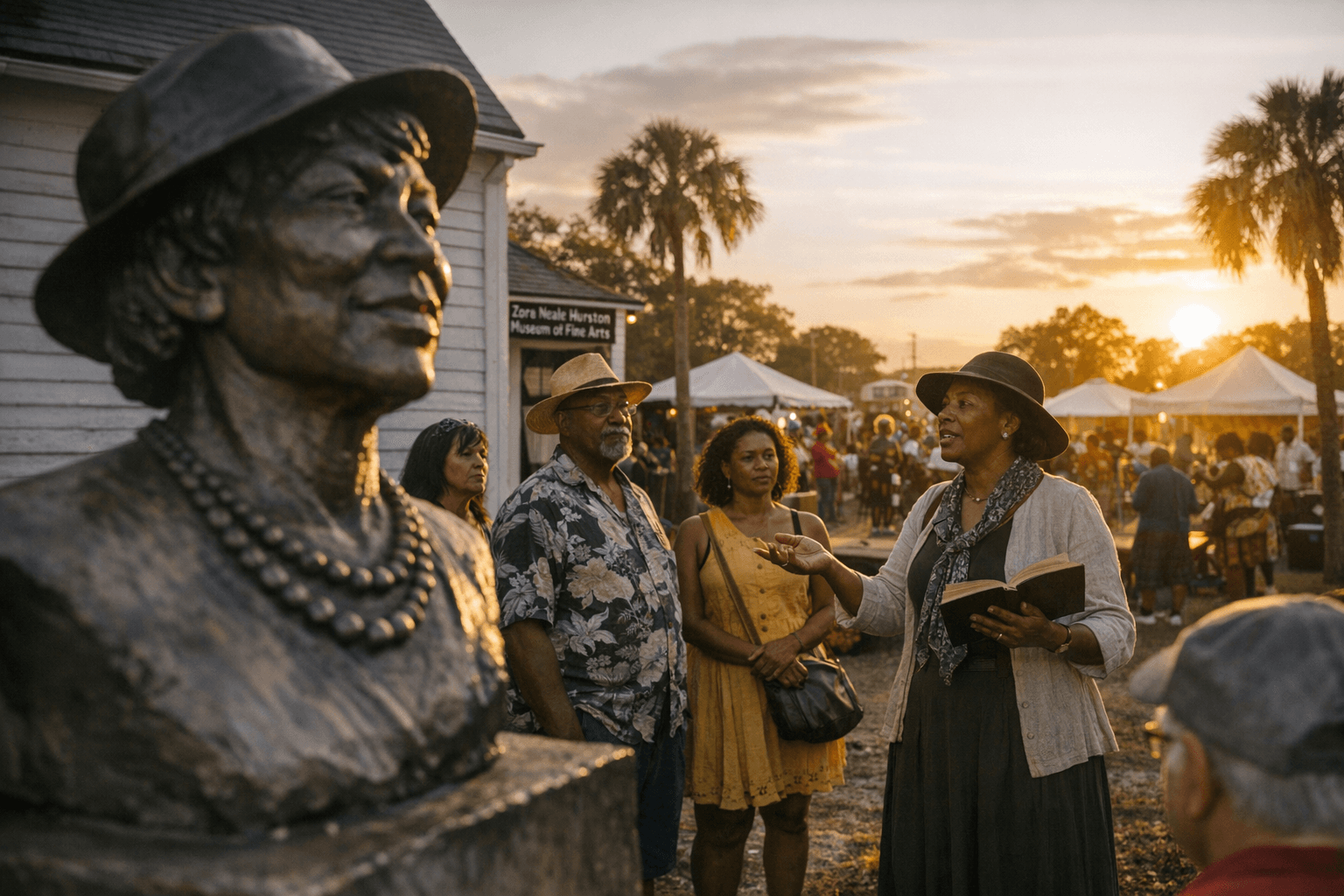
2. Goldsboro Historic District Goldsboro is one of Seminole County’s historically Black communities with deep roots and ongoing cultural traditions preserved through churches, small museums and annual events.
The neighborhood’s community celebrations and MLK weekend programming are focal points for intergenerational memory and civic pride, and they offer opportunities for residents to sustain heritage through volunteering and local leadership. Protecting Goldsboro’s fabric involves routine municipal decisions about zoning, infrastructure and historic designation; community participation in those processes shapes whether preservation is prioritized and how benefits from cultural tourism are distributed.
3. Sanford Museum and Seminole County museum resources Local museums, including the Sanford Museum and the broader Seminole County museum system, provide rotating exhibits and research resources that document early settlement, transport and civic life in the county.
These institutions serve educators, genealogists and residents seeking context for neighborhood stories; they also function as civic archives that can inform public policy debates about land use and heritage investment. For residents, museum programming is a gateway to civic literacy — exhibits and research collections offer evidence-based narratives that can be used in school curricula, community presentations and advocacy.
4. Civic venues and public event infrastructure The Sanford Civic Center and other public venues host concerts, community summits and civic gatherings that bring in regional audiences and local stakeholders alike.
Municipal event calendars and venue booking practices determine access and visibility for nonprofit groups, neighborhood associations and local artists; transparency around scheduling, pricing and capacity affects who can participate and when. Residents should watch municipal calendars closely because public events can mean road closures, altered traffic patterns and temporary impacts on parking and nearby businesses.
- Parking: Park in designated lots downtown and plan for event-related road closures; some blocks on Park Avenue and near the riverfront have limited spaces during peak events.
- Business hours: Many downtown businesses are small and locally owned, so check hours before visiting — evenings and festival days can alter normal schedules.
- Guided resources: For historical-context visits, contact the Sanford Historical Society or the Seminole County Museum for guided resources or upcoming programming to make the most of your time.
- Accessibility: If mobility or transit access is a concern, check venue accessibility and municipal transit schedules ahead of major events to avoid last-minute complications.
5. Practical visitor tips for residents and guests
These practical steps reduce friction for residents attending festivals, museum exhibits or civic meetings and help local businesses manage customer flow.
6. Community significance and institutional implications Cultural sites in Sanford and Goldsboro are more than tourist stops; they are civic assets that influence neighborhood cohesion, economic opportunity and local identity.
Decisions about preservation funding, signage, public safety presence and infrastructure investments have direct implications for who benefits from cultural tourism and how neighborhood character is maintained. Institutional accountability matters: city commissions, county agencies and museum boards all make choices that affect access and historical interpretation, so staying informed and involved ensures community priorities shape outcomes.
7. Civic engagement pathways for residents Engagement looks like more than attendance at a festival — it includes speaking at city commission meetings, serving on preservation or arts advisory panels, volunteering at the museums, and supporting local candidates who prioritize heritage and equitable investment.
Goldsboro’s historic identity gives residents a distinct platform to influence local planning and resource allocation; sustained participation by community members strengthens representation in municipal decisions. Local organizations and history institutions often post volunteer and board opportunities; those roles translate community knowledge into institutional influence.
8. Managing events, traffic and equitable access Large festivals and farmers’ markets contribute revenue and visibility but also require deliberate planning to avoid disproportionate burdens on residents, particularly in historically marginalized neighborhoods.
Policies around event permitting, parking management, temporary signage and public safety should be evaluated for equity — who pays for road closures, who receives parking accommodations, and how are neighborhoods notified in advance? Residents should advocate for clear municipal processes and advance notice to balance economic benefits with day-to-day livability.
The takeaway? If you want to enjoy Sanford’s riverfront nightlife, explore Goldsboro’s history, or plug into civic life, show up prepared and stay engaged — check event calendars, support small businesses, and use museum and historical society resources to ground your visits in context. Our two cents? Treat these sites as living institutions: participate, ask questions at public meetings, and help guide how the county preserves and shares its stories so future residents can find the same sense of place you enjoy today.
Know something we missed? Have a correction or additional information?
Submit a Tip