Guilford Commissioners Debate One Quarter Percent Sales Tax Plan
At a December 4 work session Guilford County commissioners debated framing and allocation of a proposed Article 46 one quarter of one percent local sales and use tax that could appear on the 2026 ballot. The board reviewed estimates that the levy would raise about $28.7 million annually and discussed wording clarity, statutory spending limits, and custodial management to protect local priorities.
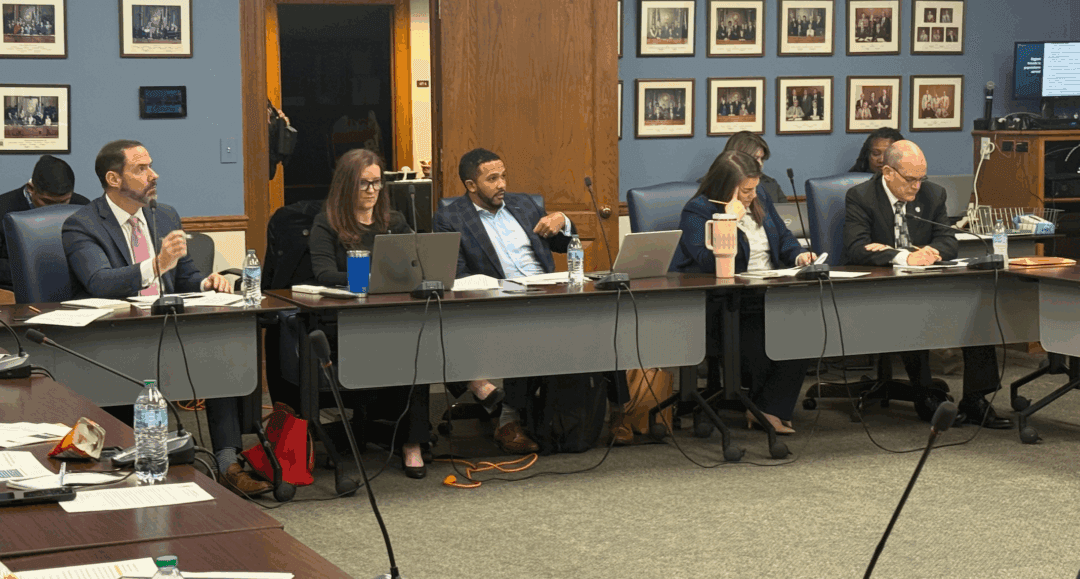
Guilford County commissioners spent their December 4 work session weighing how to present and divide a proposed Article 46 local sales and use tax that would raise an estimated $28.7 million each year under the mechanics of House Bill 305. Budget Director Toy Beeninga outlined the bill and the projected distribution formula. Under the estimate approximately 67 percent of proceeds would fund classroom teacher salary supplements, 19 percent would support fire protection equipment and services, 9 percent would go to Guilford Technical Community College for capital improvements, and 5 percent would be distributed to municipalities according to population and property tax base formulas.
The discussion focused on how to ensure voter clarity and to lock in intended uses while complying with state law. Commissioners expressed concern that the phrase quarter cent may mislead voters and considered alternate wording such as one fourth of one cent or one fourth of one penny to improve clarity on the ballot. Board members also examined statutory supplanting restrictions that require these revenues to supplement existing spending rather than replace current local or county allocations. That limitation will shape how the county and municipal partners plan budgets if voters approve the measure.
Commissioners also debated custodial fund management proposals for allocations to fire and rescue services to provide an additional layer of oversight on how those dollars are disbursed and accounted for. The board agreed to continue refining ballot language and to coordinate with state legislators on statutory and technical matters before finalizing the referendum placement.
If the board completes its work and coordinates required approvals the county expects the question to appear on the November 3, 2026 ballot. For residents the proposal represents a targeted revenue option to increase teacher pay and invest in public safety and workforce education, while imposing legal and administrative constraints that will determine how directly local priorities are advanced.