Guilford County Water Meeting Postponed, City Posts Safety Notices and Guidance
A community meeting on drinking water that was scheduled for December 8 at East Market Seventh Day Adventist Church was postponed because of inclement weather and will be rescheduled, city officials said. The Water Resources Department also posted a series of notices about a temporary free chlorine conversion, discolored water guidance, PFAS and private well information, and links to monthly drinking water quality reports that affect local residents.
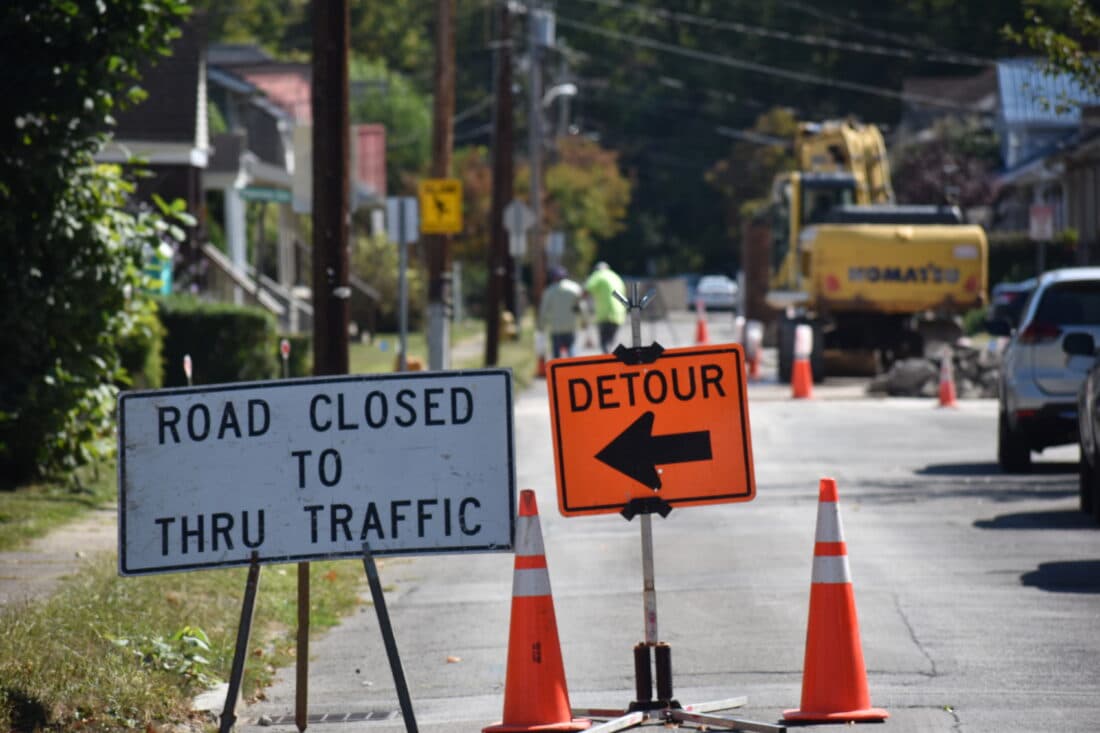
City officials postponed a community meeting on drinking water that had been set for December 8 at East Market Seventh Day Adventist Church, 101 W. Vandalia Road, after severe weather made the location unsafe for attendees. The Water Resources Department announced the delay and said the meeting will be rescheduled, directing residents to follow the department for an updated date and location.
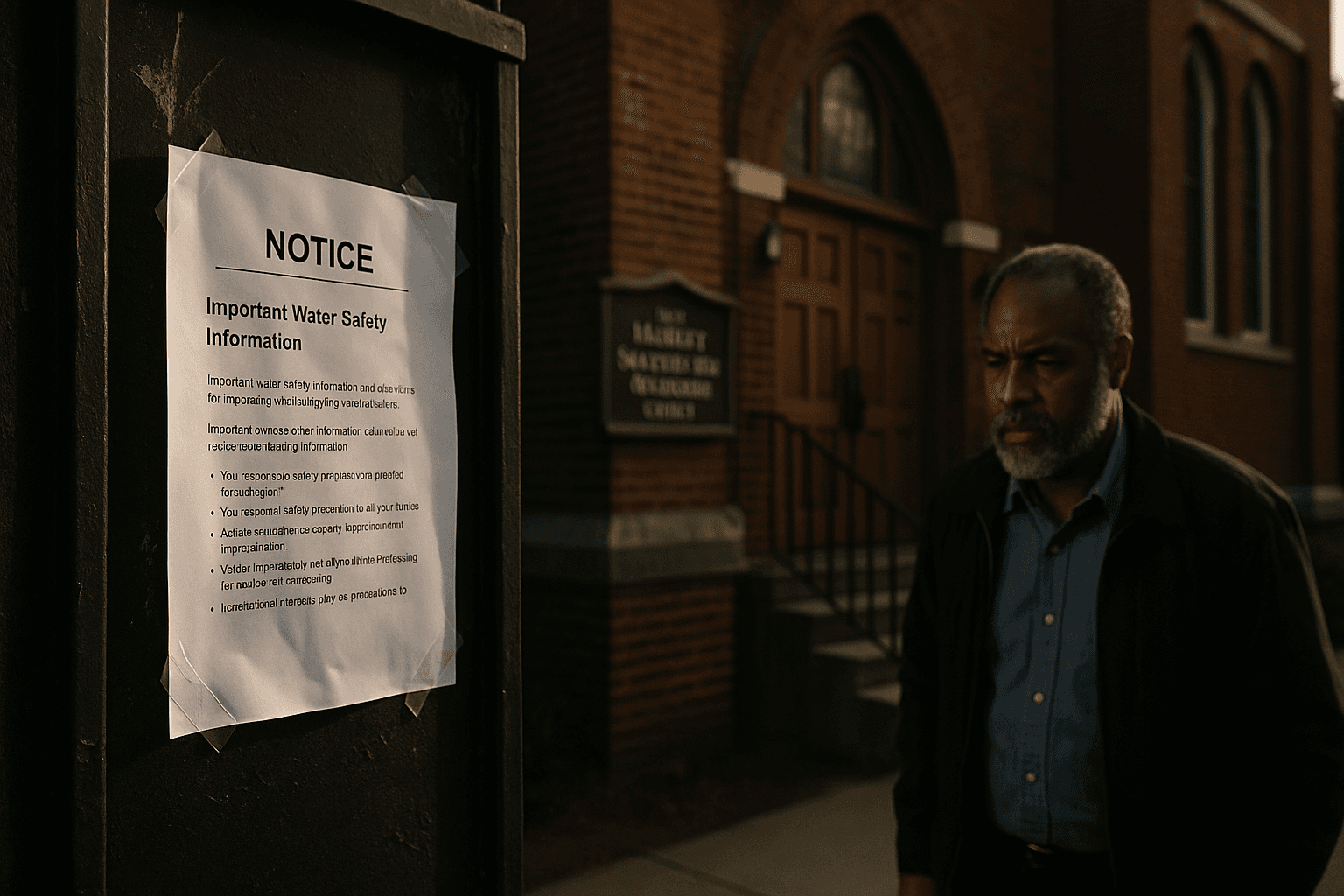
The postponement comes amid a cluster of water related notices posted by the department. Those notices include details about a temporary free chlorine conversion program that began on December 7, guidance for residents experiencing discolored water, information on PFAS and private wells, and links to the monthly drinking water quality reports. The department also reminded residents to use the Water Resources 24 hour dispatch number for urgent service issues and to consult the City Road Projects and Water Resources web pages for additional information.
For residents, the combination of a postponed meeting and recent operational notices raises practical and policy questions. The temporary chlorine conversion is a routine tool for maintaining system disinfection, but it can coincide with isolated reports of discoloration that prompt calls to dispatch. Information about PFAS and private well safety is particularly relevant for households outside the municipal system that bear primary responsibility for testing and mitigation. Monthly drinking water quality reports remain the primary public record for monitoring compliance with state and federal limits.
The delay of the public meeting reduces an opportunity for direct dialogue between residents, technical staff and decision makers. Public engagement is a key mechanism for municipal accountability on water quality and infrastructure priorities. Residents should monitor the Water Resources page and the City Road Projects page for the re announced meeting date, and contact the 24 hour dispatch line for immediate concerns.
City leaders face choices about how quickly to reconvene community outreach, how to explain the operational steps taken during the chlorine conversion, and how to coordinate information about PFAS testing for private wells. Transparent follow up and accessible public meetings will be essential for restoring confidence and ensuring effective oversight of local drinking water stewardship.
Sources:
Know something we missed? Have a correction or additional information?
Submit a Tip