Halfway electric bicycle crash kills local man, raises safety concerns
A 62 year old Halfway man died after his electric bicycle veered off a road and crashed into a ditch early Monday, highlighting safety risks on rural streets and gaps in emergency detection. The incident raises questions for residents and county officials about e bicycle regulations, roadway conditions and emergency response on the western edge of Halfway.

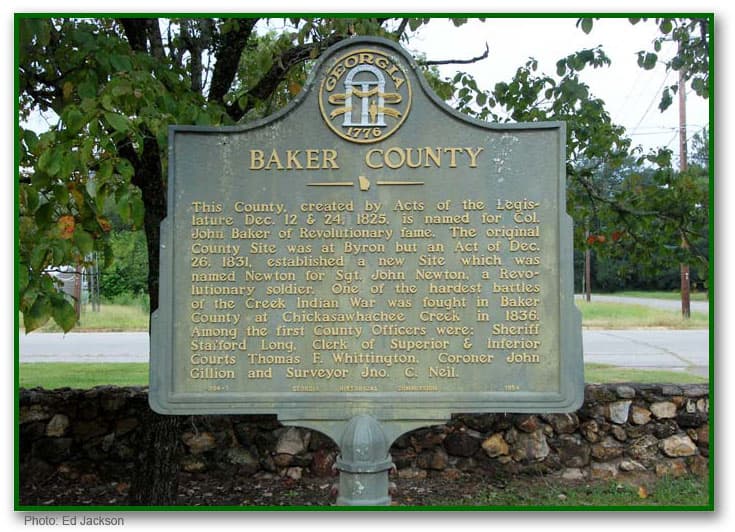
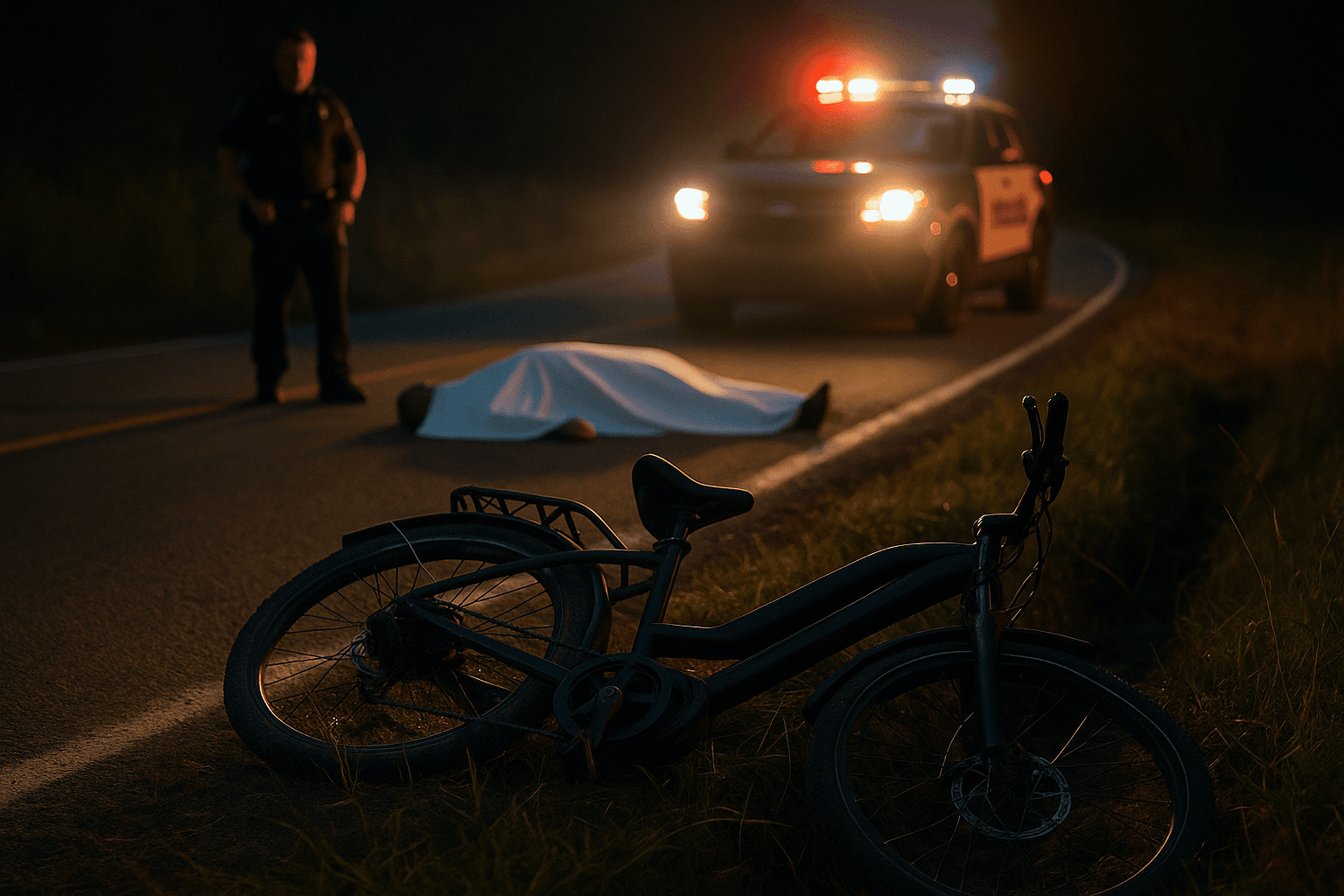
Clifford Duane Gross, 62, died at the scene after his electric bicycle left the roadway and struck a ditch on the west side of Halfway early Monday morning. The Baker County Sheriff’s Office provided initial details and said a passerby discovered Gross and reported the incident at 7:37 a.m.
The crash site is near the western edge of Halfway where West Record Street turns into Lone Fir Road, a paved two lane road that serves local traffic and farm vehicles. Responders included the Halfway ambulance, Pine Valley Rural Fire Department and sheriff’s deputy Robert Henshaw, according to the sheriff’s office dispatch log. Public information officer Ashley McClay said it is not certain when Gross’ bicycle went off the road, and that frost at the scene suggests the crash occurred several hours earlier.
Police and emergency services secured the scene and responded quickly once the report arrived, but the discovery by a passerby rather than an automated alert highlights limits in immediate detection on lightly traveled rural roads. For residents who commute by bicycle or electric bicycle, the incident underscores risks posed by winter road conditions, limited street lighting and the narrow shoulders common on rural corridors.
The death of a local resident on a paved two lane road prompts policy considerations for county leaders and public safety planners. Questions likely to surface include whether additional signage, reflective markers or improved lighting could reduce similar incidents, and whether outreach on electric bicycle safety would be warranted for area residents and visitors. Municipal and county officials must also assess response times and resource allocation for rural medical emergencies given reliance on volunteer fire departments and small ambulance services.
Family notifications and any ongoing sheriff’s office investigation were not detailed beyond initial dispatch information. As the community processes this loss, residents and local officials face practical decisions about roadway safety, winter maintenance priorities and public education to prevent future tragedies on Baker County roads.
Sources:
Know something we missed? Have a correction or additional information?
Submit a Tip