Healing Tree Sculpture Marks Recovery, Honors Flood Victims in Hazard
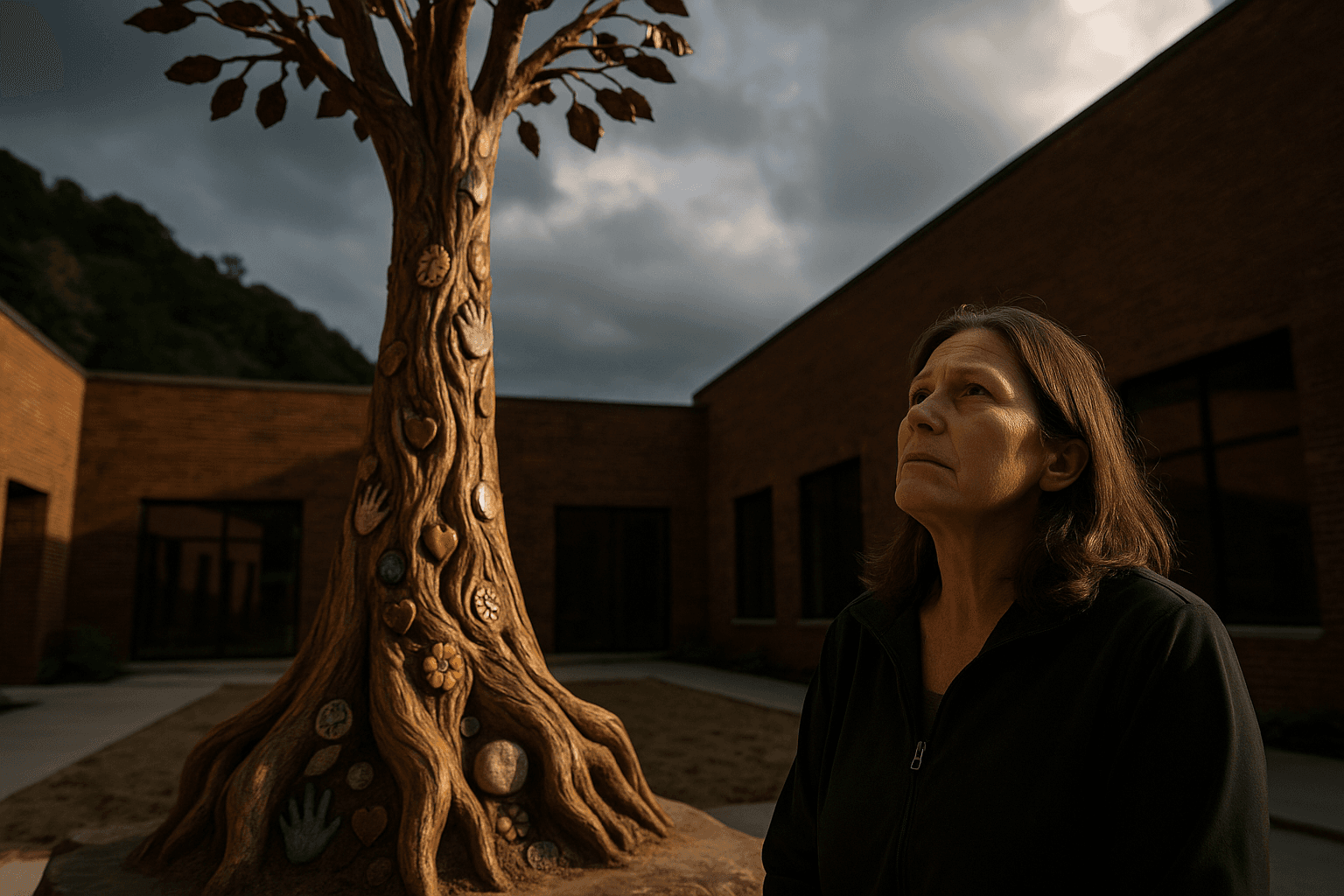
A community made sculpture called the Healing Tree now stands in the Art Station courtyard in Hazard, honoring loved ones and recognizing recovery efforts after catastrophic flooding and pandemic related losses. The work, created with contributions from local children and community members and supported by Promise Neighborhood funds and national and regional arts organizations, matters because it reinforces community resilience and can boost local placemaking and economic recovery.
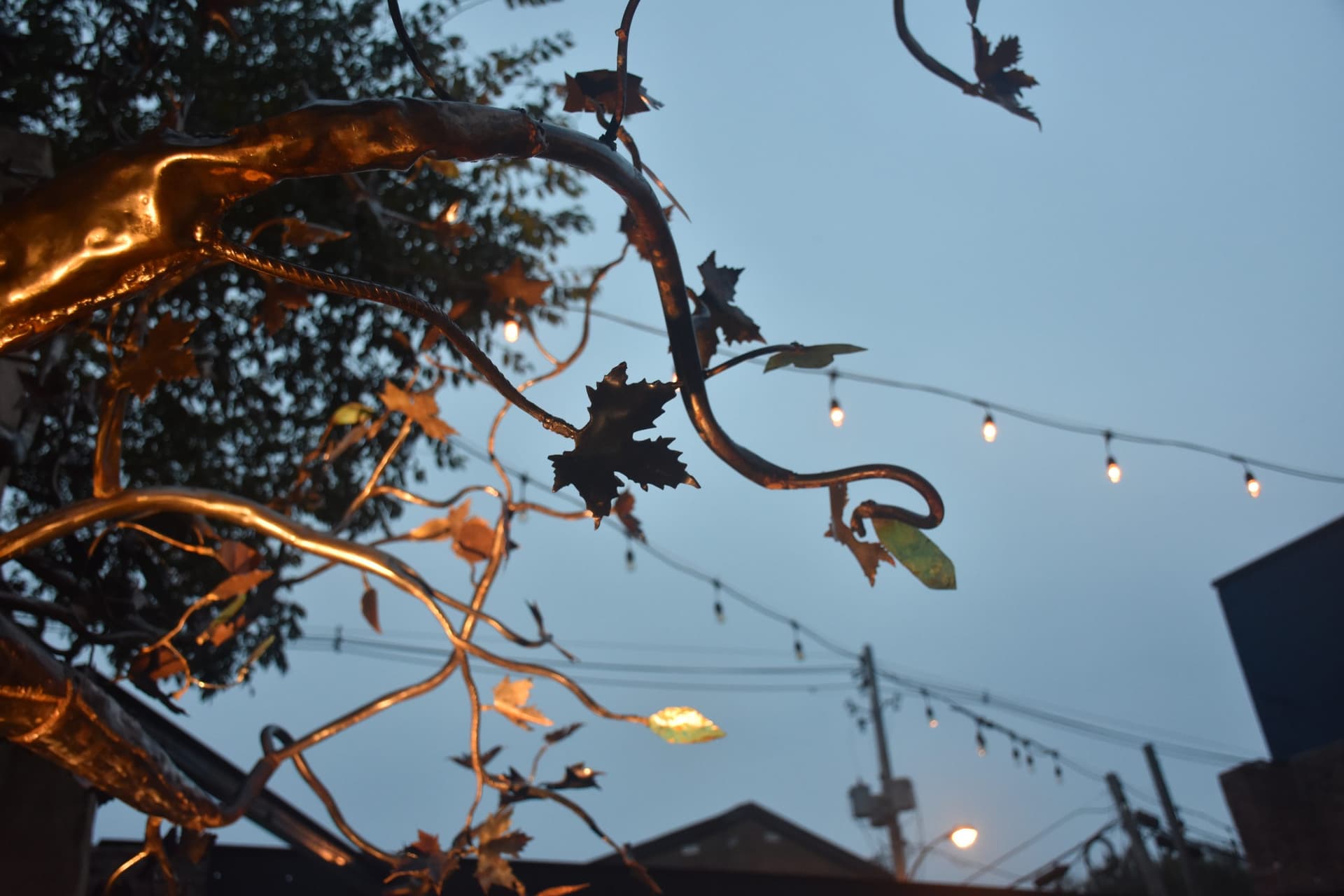
The Healing Tree, a public sculpture created and installed in the courtyard of the Art Station in Hazard, serves as both a memorial and a tangible symbol of community resilience. Built with contributions from local children and community members, including students in Hazard Independent and Perry County schools, the project grew in meaning as residents added new leaves to remember flood victims and to honor recovery heroes. The installation is supported by Promise Neighborhood funds, the National Endowment for the Arts, the Appalachian Arts Alliance, Hazard schools and other local partners.
The sculptures origin in community workshops gave dozens of residents an active role in design and production. The Art Station page carries photos and background on those workshops and explains how residents may participate or visit the artwork. The physical presence of the Healing Tree in a public courtyard creates an accessible site for reflection while anchoring foot traffic near the Art Station, a potential benefit for surrounding small businesses.
From an economic and policy perspective, the Healing Tree illustrates how targeted cultural investment can play a role in broader recovery strategies. Funding from a mix of local and federal sources demonstrates an ongoing public commitment to recovery that goes beyond immediate disaster relief. Arts based placemaking often yields spillover effects for local commerce and civic life by bringing people to town centers, supporting volunteer activity and enhancing a sense of place that can improve retention of residents and attract visitors.
For Perry County officials and community leaders, the project highlights an option for directing recovery dollars toward projects that combine memorialization, education and economic stimulus. Long term trends in rural development show growing use of creative projects as one element of economic diversification and resilience building. The Healing Tree is a local example of that trend, connecting school programs, nonprofit partners and federal arts funding to a visible, community built asset.
Residents who want to see the Healing Tree or learn how to get involved should consult the Art Station page for photographs, workshop background and participation details. As Perry County continues to rebuild from recent shocks, community led projects such as this offer both a way to grieve and a foundation for renewed civic and economic activity.
Sources:
Know something we missed? Have a correction or additional information?
Submit a Tip