Heatwave Fuels Bushfires Across New South Wales, Thousands Evacuate
More than 50 bushfires are burning across New South Wales as a severe heatwave drives temperatures toward 42 degrees Celsius, prompting high danger evacuation orders for thousands. The rapid spread of blazes on the Central Coast and in the Upper Hunter underscores increasing climate and economic risks for communities, insurers, energy networks and agriculture.
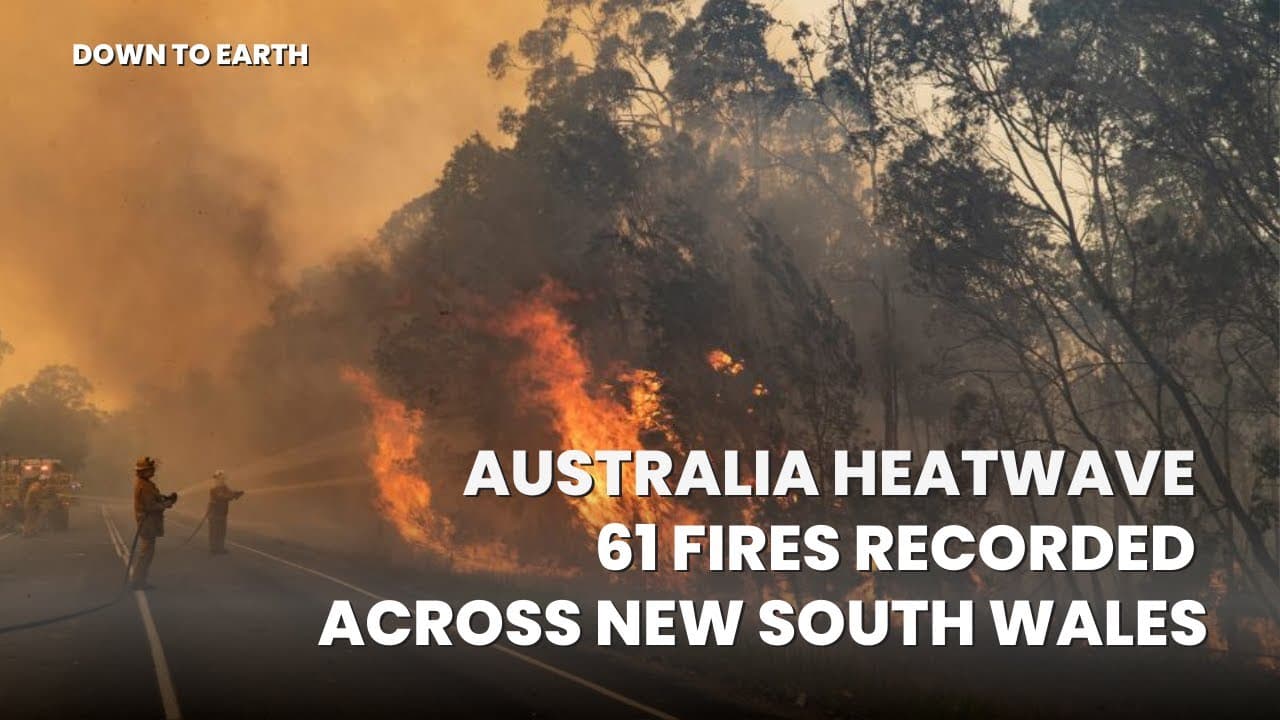
Thousands of residents in New South Wales are under high danger evacuation orders as more than 50 bushfires burn across the state amid a severe heatwave. Fires have struck populated corridors on the Central Coast north of Sydney, including Phegans Bay and Woy Woy, while an Upper Hunter blaze has scorched nearly 10,000 hectares, according to incident updates from state authorities. Reports say multiple homes have been destroyed and emergency services are urging people to leave when it is safe to do so.
The Bureau of Meteorology recorded temperatures approaching 42 degrees Celsius in some regions, conditions that materially increase fire intensity and complicate containment efforts. Strong winds and very low fuel moisture across large swaths of New South Wales are contributing to rapid fire growth, stretching the capacity of both ground crews and aerial firefighting assets. Authorities have mobilized firefighting resources from across the state, while local evacuation centers are handling displaced residents.
The fires and heatwave carry immediate economic implications beyond the humanitarian toll. Elevated air conditioning use during extreme heat pushes up electricity demand, creating the potential for price spikes in wholesale markets and placing strain on transmission networks. Tourism operators on the Central Coast are already reporting cancellations, and local businesses face lost trade at the start of the summer season. Agricultural producers in fire affected valleys confront crop and pasture losses, and forestry and livestock sectors could see longer lasting impacts if key grazing land is burned.
Insurance markets will watch damage assessments closely. While final loss totals are not yet available, past severe seasons have forced insurers to reassess regional risk models and adjust premiums where exposures concentrate. A severe bushfire season can also widen the gap between market insurance coverage and community recovery needs, placing greater pressure on state and federal relief funds.
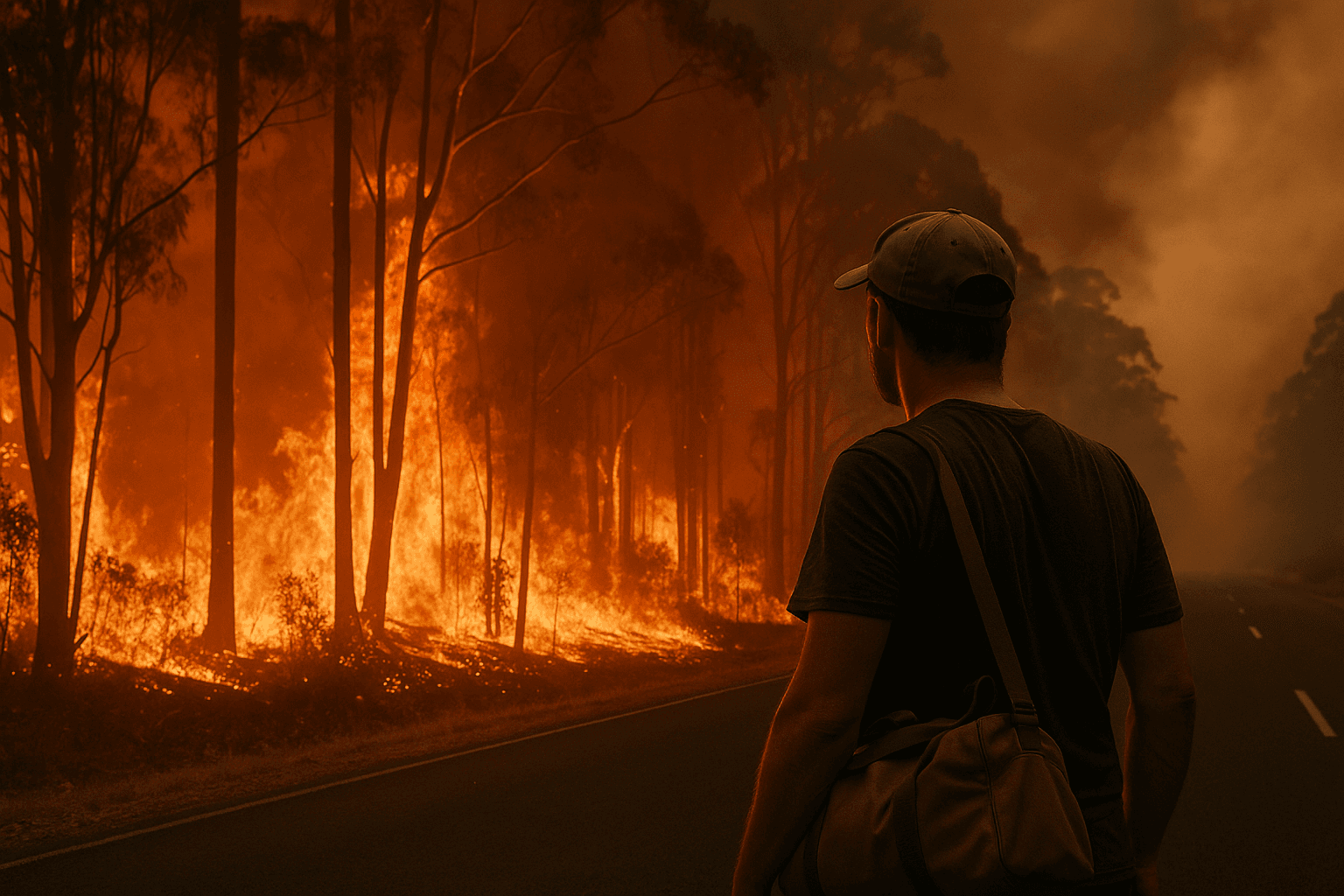
Policy questions follow naturally from the immediate crisis. The Bureau of Meteorology warned the season could be severe, a forecast that aligns with longer term warming trends that lengthen fire seasons and increase the frequency of extreme heat events. Those trends have prompted renewed calls for investment in prevention measures including expanded fuel reduction programs, strengthened building resilience in fire prone communities, and upgrades to energy and emergency communications infrastructure to withstand simultaneous climate shocks.
For residents, the priority remains safety and timely access to official guidance. Emergency services are coordinating evacuations, road closures and warnings, and community support services are being readied for recovery. Economically, the scale and timing of the fires at the start of summer will shape regional recovery costs, influence local labor markets, and test the resilience of insurance and energy systems already adapting to a warming climate. The coming days will determine whether this early season surge becomes a contained emergency or a harbinger of a broader, costly bushfire season.