Helena native survives near-fatal Costa Rica snakebite after evacuation
A Helena native survived a near-fatal fer-de-lance bite in Costa Rica after rapid evacuation and treatment. The case underscores the importance of travel medical planning for local residents.

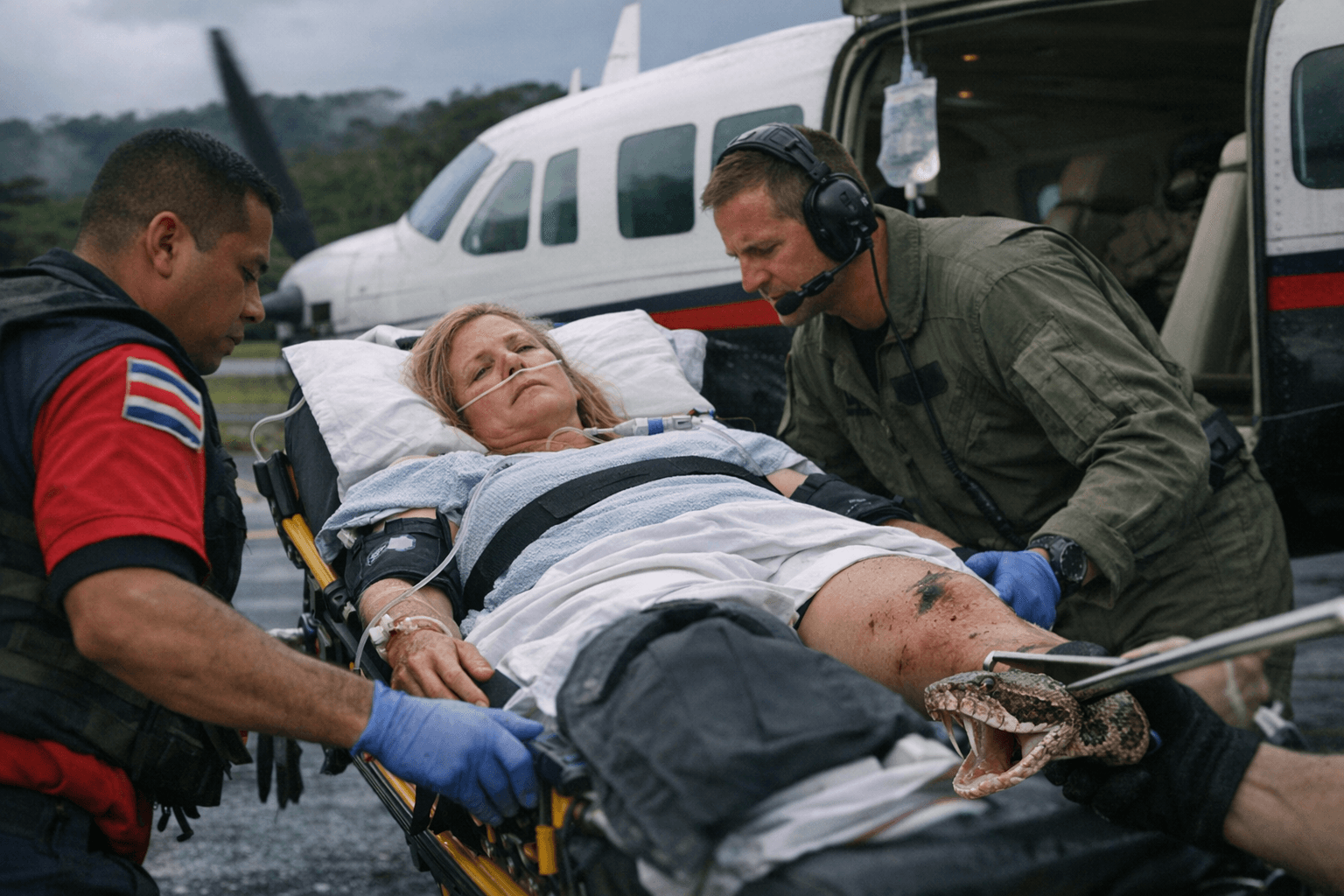
Lee Gatchell, a Helena native and Capital High alumnus, survived a near-fatal fer-de-lance snakebite while traveling in Costa Rica, a medical emergency that required immediate on-scene care, emergency evacuation and extensive follow-up treatment. The incident and Gatchell’s long recovery, which included skin grafts and rehabilitation, underscore how rapid treatment and access to appropriate medical resources can make the difference between life and death.
The bite triggered a coordinated response that moved from first aid at the scene to medical evacuation for advanced care. Physicians who treat venomous-bite victims emphasize that early antivenom administration, critical care support and specialized wound treatment improve outcomes. For Gatchell, that chain of care was followed, but not without a prolonged recovery that included surgeries and months of physical therapy to regain strength and mobility.
The story has resonated in Helena and across Lewis and Clark County because Gatchell grew up here and attended Capital High. Classmates, neighbors and local medical professionals have followed reports of his progress and noted the emotional as well as physical toll such an injury takes. For a community that sends residents and visitors to far-flung outdoor destinations, the episode is a reminder that adventure travel carries real medical risks and that planning matters.
Beyond the human story, the case spotlights practical issues for local residents who travel internationally or work in remote settings. Access to antivenom is unequal around the world, and arranging timely medical evacuation can be costly and logistically complex. Local health providers say pre-trip planning - including verifying emergency evacuation coverage, knowing how to contact consular services and carrying clear medical information - reduces delays when every minute counts. Wilderness and remote-first-aid skills can help stabilize a patient until professional care arrives.
Gatchell’s recovery also illuminates long-term needs: reconstructive surgery, skin grafts and rehabilitation take time and resources, and survivors often face extended emotional recovery alongside physical healing. Community support networks, from friends and family to local health services, play an important role in helping people rebuild after trauma.
Our two cents? If you’re headed off the beaten path, treat medical planning as part of your gear list. Check evacuation and insurance coverage, file an itinerary with someone at home, and brush up on stabilizing first aid. It won’t make accidents impossible, but it can make a life-saving difference when they happen.
Sources:
Know something we missed? Have a correction or additional information?
Submit a Tip