Heritage Center Preserves History While Strengthening Community Health
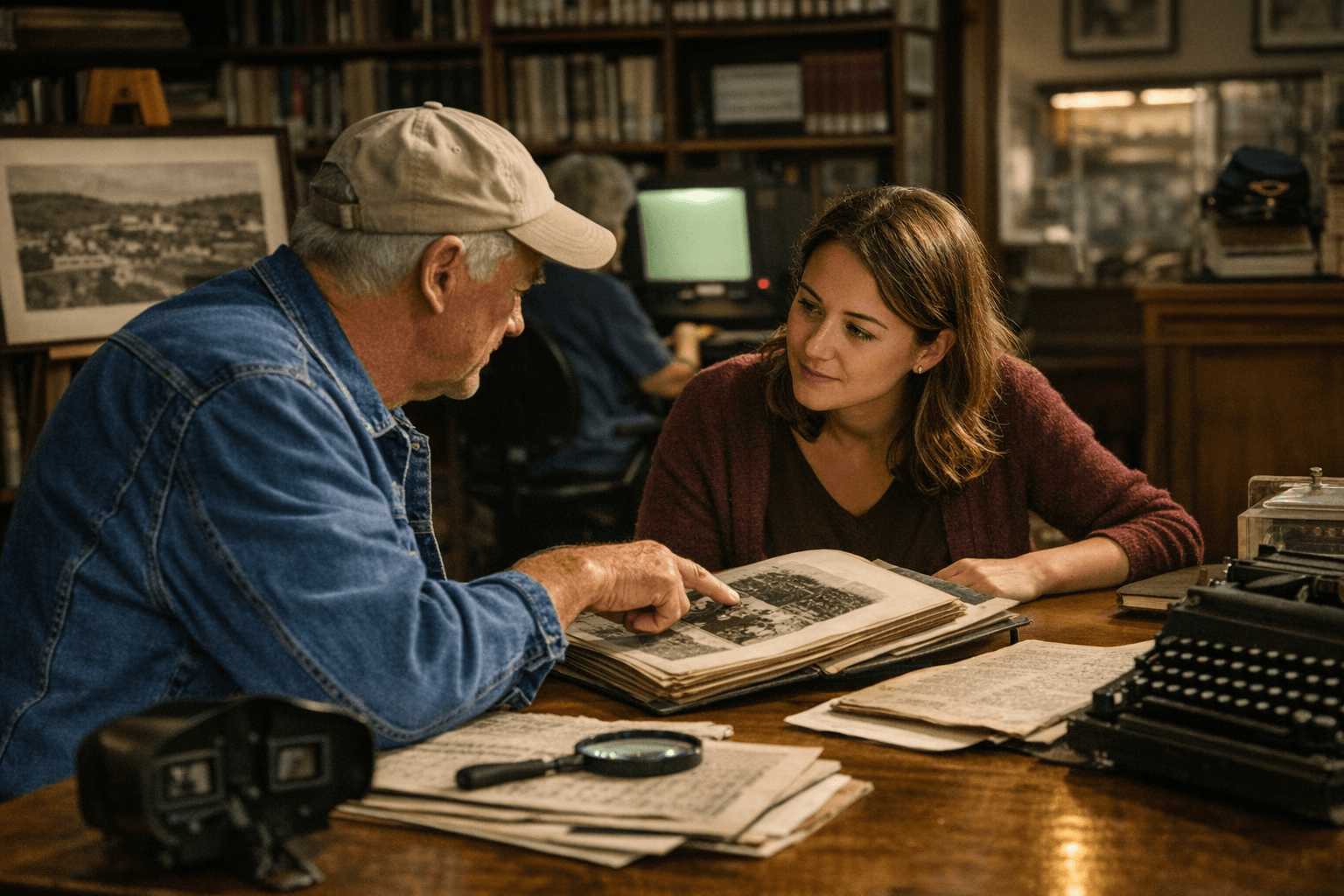
The Adams County Heritage Center, managed by the Adams County Historical Society, preserves local artifacts, genealogical records and historic buildings while hosting events that connect residents across generations. Its collections and programs serve as a community resource for education, civic engagement and social supports that matter to health, equity and county resilience.
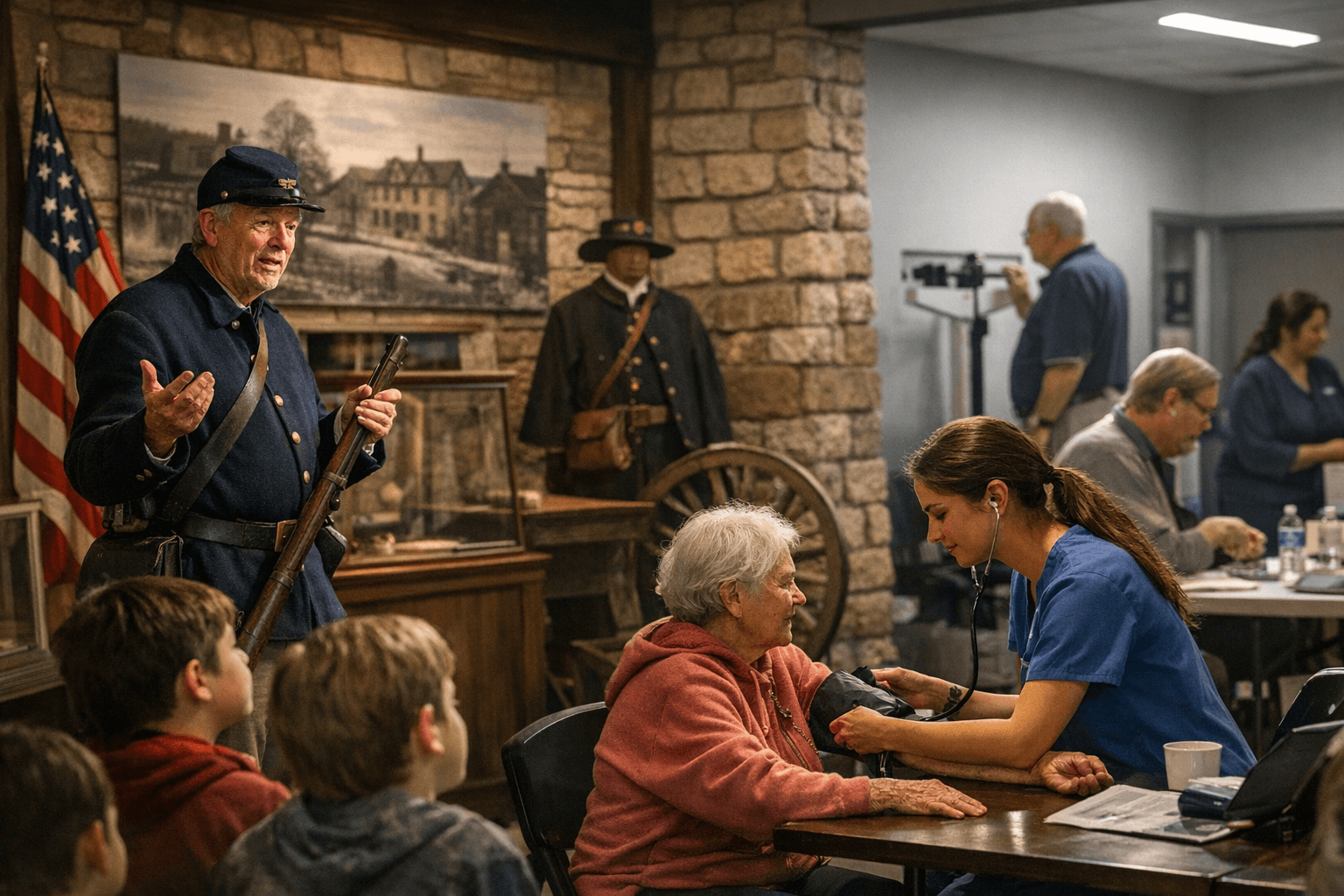
The Adams County Heritage Center sits just off State Route 247 on the north side of West Union, offering residents access to a genealogical collection, museum exhibits, a post office exhibit and a restored log house. Run by the Adams County Historical Society, the center operates with a mission to preserve the heritage of previous generations, educate future generations and create a better future, and opens its doors typically on Thursdays and Saturdays from noon to 4 p.m.
Beyond preserving artifacts, the Heritage Center plays an active role in community life. The society supports the annual Adams County History Tour and the Cowboy Copas Memorial Concert, and leads restoration work such as the renovation of the Louden One Room School in Bratton Township. Publications, membership and volunteer opportunities are available through the society, and the center’s archival and educational activities provide a base for civic learning and intergenerational exchange.
For Adams County residents, that work matters for more than nostalgia. Community museums and historical societies contribute to social cohesion, offering spaces where people build relationships, share memories and sustain a sense of belonging. Those social ties are linked to better mental and physical health, particularly for older adults and families seeking continuity across generations. Genealogical services and local history programming can promote civic participation and create entry points for youth and volunteers to engage in meaningful work that supports healthy aging and skills development.
The Heritage Center’s collections also carry equity implications. What a community chooses to preserve shapes whose stories are visible and valued. Active efforts to document and display the experiences of marginalized groups can correct historical exclusions and make the center a more inclusive public asset. Ensuring access for people with mobility or transportation barriers, and offering programming that reflects the county’s diverse histories, would deepen the center’s role in advancing social equity.
Public investment and policy decisions influence the center’s ability to serve these functions. Funding for preservation, volunteer coordination and accessibility upgrades helps sustain cultural infrastructure that supports community well-being. Likewise, incorporating cultural institutions into broader emergency planning protects archives and ensures continuity of community services during crises.
Residents seeking to visit or get involved can use the Heritage Center’s regular hours to view exhibits, consult genealogical materials, purchase local history publications, or explore membership and volunteer roles. As Adams County faces demographic and economic change, the center’s stewardship of place and memory offers a practical resource for building social capital, supporting health, and shaping a more equitable future.
Sources:
Know something we missed? Have a correction or additional information?
Submit a Tip