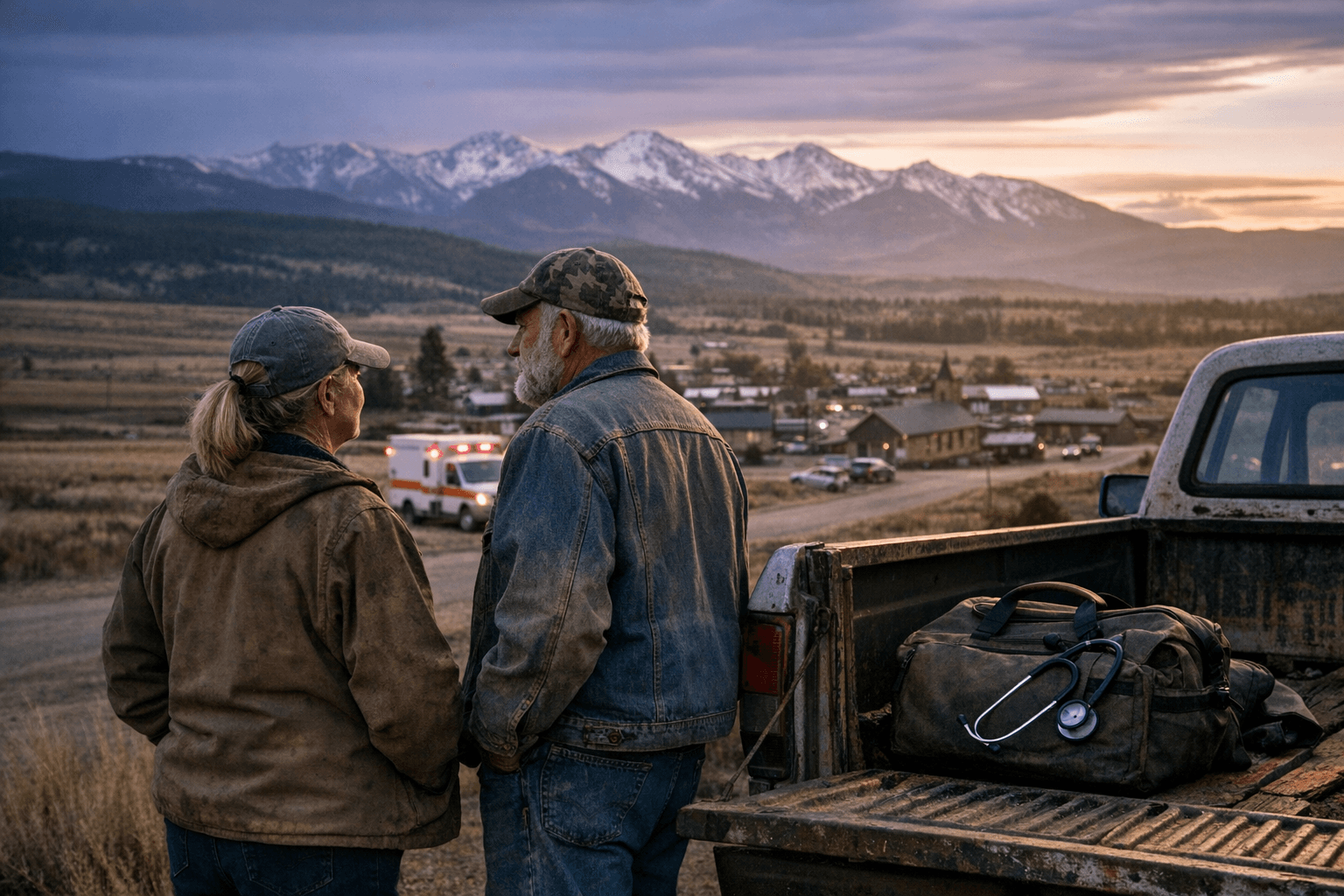
Heritage Orchard in Dolores Park Aims to Restore Local Foodways
The Dolores Community Heritage Orchard, planted on about 1.3 acres in Joe Rowell Park by the Montezuma Orchard Restoration Project and the town, is cultivating historic and locally adapted apple varieties grafted from heritage trees across the region. When the trees reach maturity the orchard is expected to yield hundreds of bushels annually and serve as a long-term community resource for education, workshops and agritourism, boosting local food access and cultural connection.
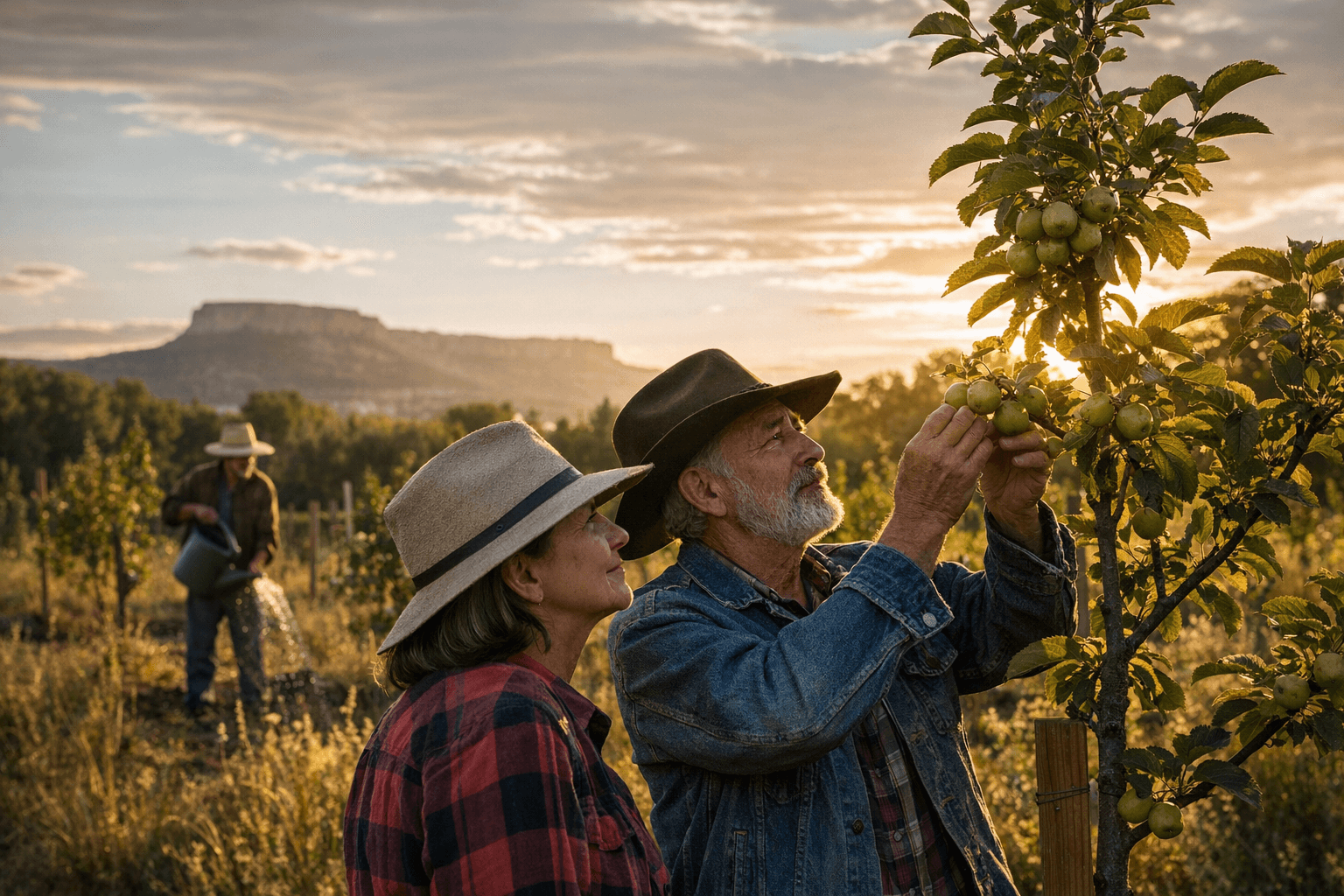
The small town of Dolores now hosts a community orchard designed to revive the region’s orchard heritage while supplying fresh fruit and educational opportunities to residents. Planted on roughly 1.3 acres in Joe Rowell Park through a partnership between the Montezuma Orchard Restoration Project and the town, the Dolores Community Heritage Orchard contains many historic and locally adapted apple varieties grafted from heritage trees across the region. Organizers expect the site, once mature, to produce hundreds of bushels of apples each year.
The orchard is intended as more than a source of fruit. Project leaders planned it as a long-term cultural asset to reconnect residents with the area’s orchard history and to provide a setting for workshops, school programs and agritourism. Those uses carry public health implications for Dolores County, where access to fresh, locally grown produce can be limited by distance and seasonal availability. Expanding local fruit production supports nutritional options, community food security and opportunities for outdoor activity and cooperative stewardship that are linked to mental and social well-being.
Local government involvement in the project underscores the role municipal policy plays in sustaining community assets. The orchard sits on public land and, as a town-partnered initiative, will require ongoing municipal support for maintenance, irrigation, pest management and public programming. Long-term success will depend on stable funding, volunteer coordination and integration with school and social service programs that can direct harvests to residents in need or to local food assistance networks.
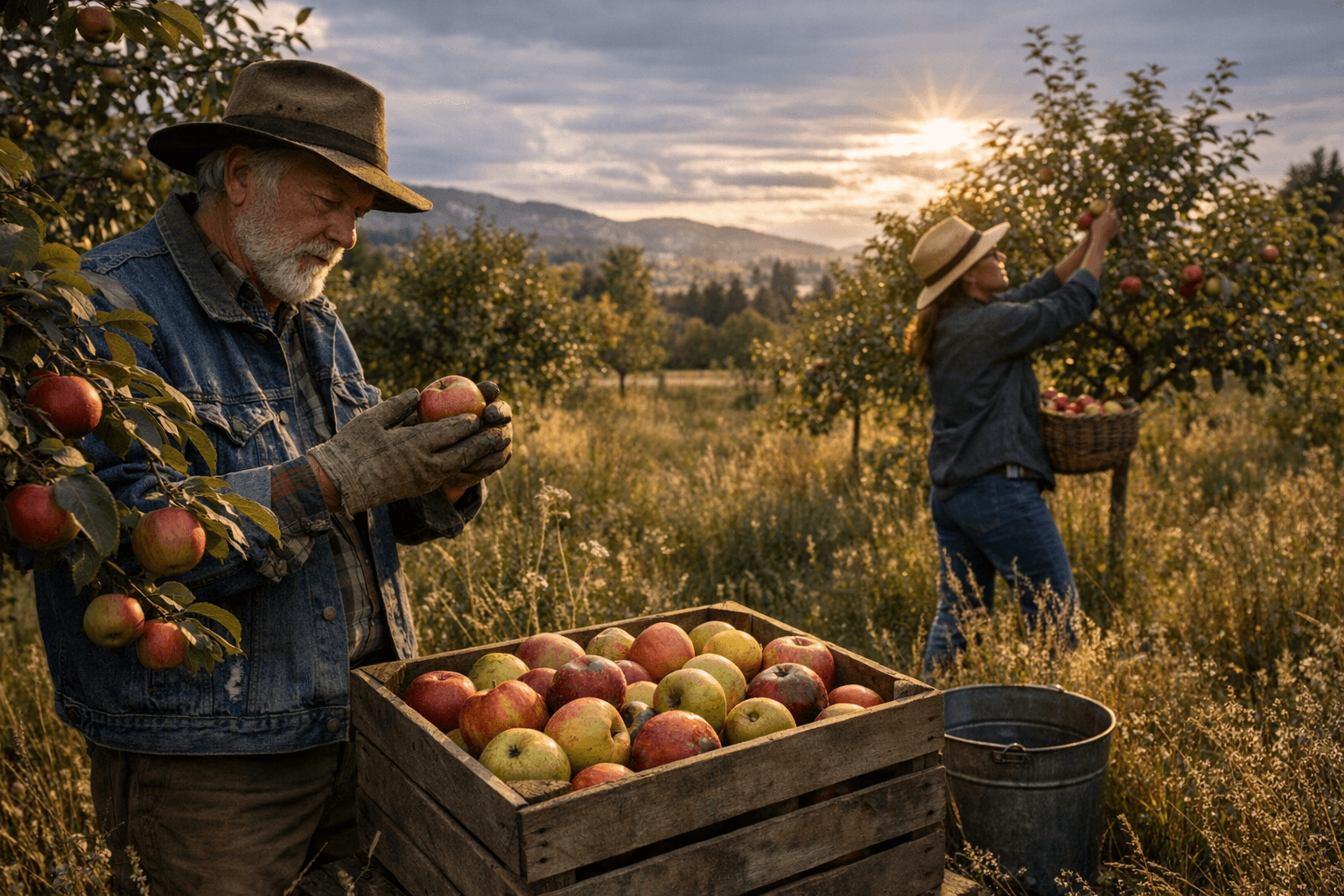
Economically, the orchard offers modest agritourism potential through orchard tours and workshops that could bring visitors to Dolores and support nearby businesses. Culturally, preserving and grafting heritage varieties helps maintain agricultural biodiversity and keeps living links to local farming traditions.
As the trees develop over coming seasons, the orchard presents a practical model for rural communities seeking to combine cultural preservation, public health and economic resilience. Sustaining that model will require continued collaboration among the town, restoration partners, schools and community organizations to ensure the orchard remains an accessible, equitable resource for all Dolores County residents.
Sources:
Know something we missed? Have a correction or additional information?
Submit a Tip