HHS launches new study into cellphone radiation amid uncertainty
HHS announced a study to map gaps in health evidence on cellphone electromagnetic radiation and boost public safety; key details and scope remain unspecified.
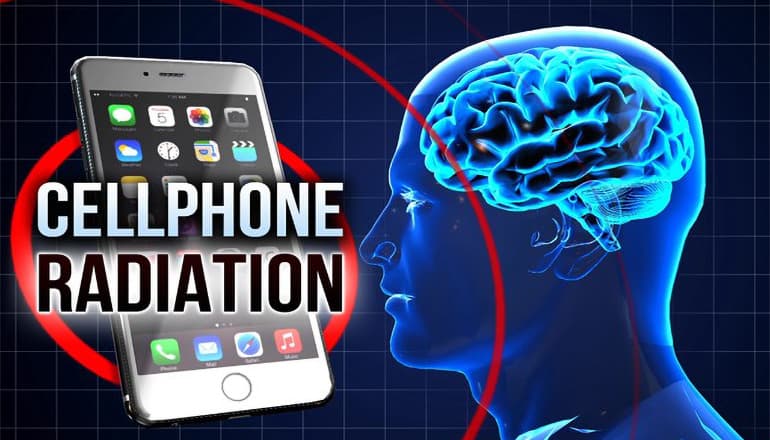
The U.S. Department of Health and Human Services announced it will launch a study to examine electromagnetic radiation from cellphones, saying the effort aims to identify gaps in knowledge about health effects from new technologies and to ensure public safety. The department released a short statement on Jan. 15 that in available material was truncated midsentence, saying the study “follows criticism from HHS Secreta…” without providing the remainder of that explanation.
At the same time, the Food and Drug Administration removed webpages that contained older conclusions about cell phone radiation. The agency did not provide a date for the removals or an explanation in the material supplied, and HHS did not specify whether the FDA will participate in the new study or revise public guidance as the research proceeds.
The announcement revives a long-running scientific and regulatory trajectory. In 1999 the FDA nominated radiofrequency radiation exposure associated with cell phones for study by the National Toxicology Program, an interagency toxicology research effort headquartered at the National Institute of Environmental Health Sciences, part of the National Institutes of Health. The NTP completed extensive toxicology studies in rats and mice in 2018 that have been described as the most comprehensive animal assessment to date for the radiofrequency radiation used in 2G and 3G phones.
Those NTP findings and related summaries emphasize important limits: the 2018 animal work examined 2G and 3G signal types and did not investigate 4G or 5G technologies or the frequencies and modulations used for Wi‑Fi. Earlier laboratory animal studies cited in background literature reported no evidence that radiofrequency radiation increased cancer risk or enhanced the effects of known chemical carcinogens. Human epidemiologic studies have produced inconsistent results, and observational studies tracking population trends are limited in their ability to detect small increases in risk among heavy users or particular subgroups.
A central scientific challenge is exposure measurement. In studies designed to measure individual exposure, investigators have relied on questionnaires and data from cell phone service providers to estimate radiofrequency radiation exposure; direct, real-world measurements outside laboratory settings remain largely unavailable. Those limitations complicate efforts to isolate small or subgroup-specific health effects from ubiquitous and evolving wireless technologies.

Experts quoted in prior coverage caution against overstatement. Timothy Rebbeck, Vincent L. Gregory, Jr. Professor of Cancer Prevention, said research “has not demonstrated” a link between cell phone radiation and cancer and added that “the best evidence is all pretty clear around cell phones right now.” Still, with cell phones owned by roughly 97 percent of American adults, agencies say the public health stakes are high if any harmful effects were to be identified.
The HHS announcement provided none of the basic parameters reporters would typically seek: there was no timeline, budget, named investigators, participating agencies or indication of whether the new work will address modern 4G/5G signals and Wi‑Fi, or whether the NTP and NIEHS will play leading roles. Robert F. Kennedy Jr., identified as the president’s nominee for HHS secretary, has publicly expressed concerns about cellphone safety in the past; if confirmed, observers say he could press for tighter regulation.
The coming weeks are likely to focus on those unanswered questions: scope of the study, methods to improve exposure assessment, agency roles and whether the FDA will restore or replace the removed webpages with new guidance. Until HHS supplies those details, scientists and consumers will be left weighing decades of mixed evidence against rapidly changing wireless technology.
Know something we missed? Have a correction or additional information?
Submit a Tip

