House GOP panel reopens Jan. 6 debate with pipe-bomb probe and revisionist case
Republican-led hearings scrutinize the FBI’s pipe-bomb investigation and press alternative narratives about Jan. 6, setting up weeks of partisan testimony with wide political stakes.

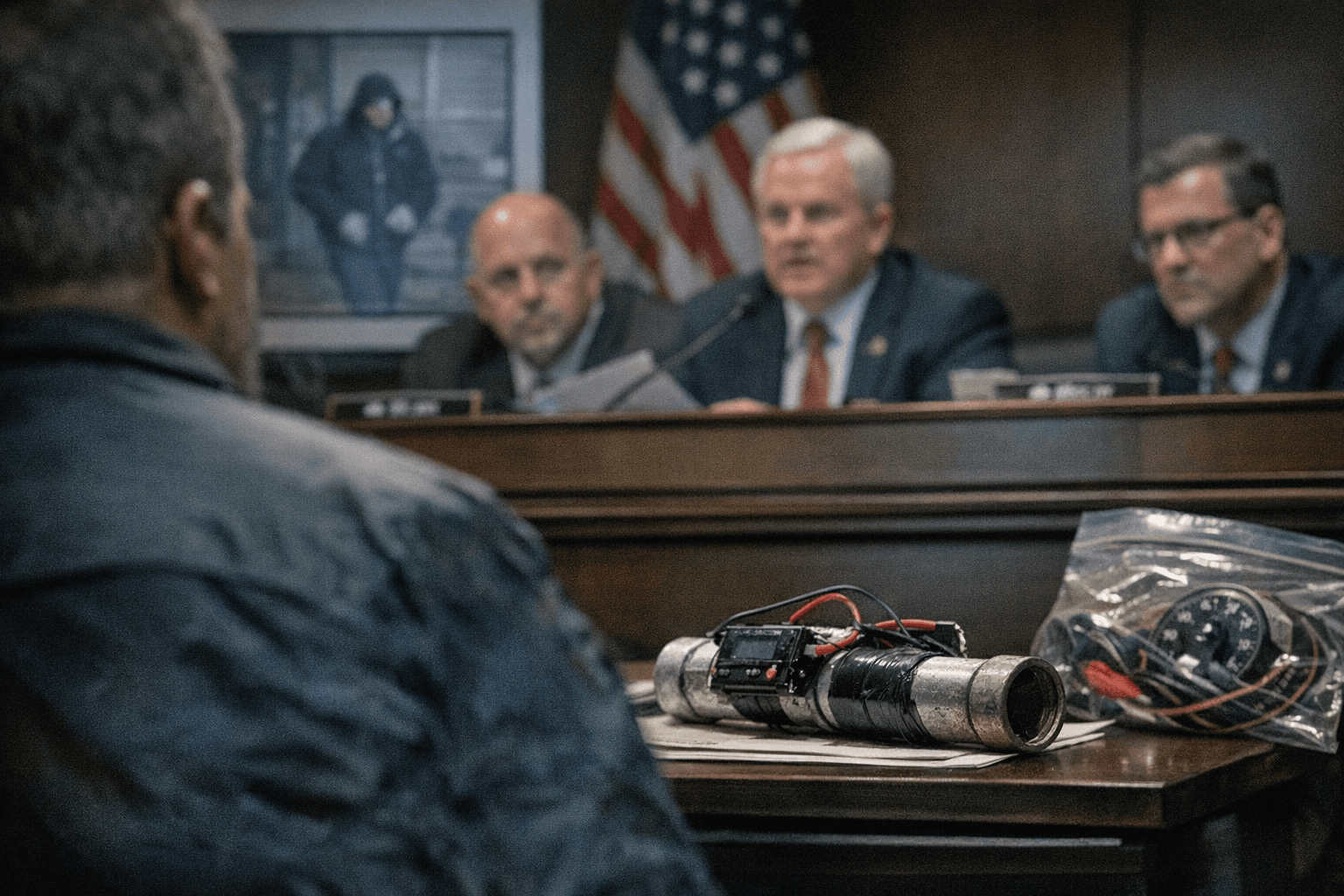
A Republican-controlled House Select Committee on Jan. 6 opened its first public hearing this week, framing the session as a probe of the FBI’s multiyear investigation into pipe bombs discovered outside the Democratic and Republican National Committee headquarters the day before the Capitol breach. Committee chair Rep. Barry Loudermilk (R-Ga.) told colleagues the panel will press federal authorities on why it took nearly five years to identify and take custody of an alleged suspect, Brian Cole, who was apprehended late in 2025 by the Department of Justice under the Trump administration.
The hearing, convened Jan. 14 and continuing into Jan. 15, combined technical questioning about investigative timelines with broader Republican arguments that seek to reshape public understanding of the Jan. 6 riot. Expected witnesses included former FBI special agents Chris Piehota and John Nantz and Thomas Speciale, a former senior adviser in the Office of the Director of National Intelligence. The session drew high-profile supporters of Jan. 6 defendants; militant Oath Keepers founder Stewart Rhodes was reported to have sat in the front row.
Republican members used the hearing to contest the conclusions of the original bipartisan Jan. 6 committee, which in 2022 determined that then-President Donald Trump bore responsibility for inciting the attack. Lawmakers pressed alternative theories that emphasize the roles of specific agitators or entrapment by federal agents and sought to minimize the effect of presidential rhetoric and broader organizing. Rep. Troy Nehls (R-Texas), who was among members present at barricaded House doors during the attack, called the original committee "a total sham," described police eyewitness accounts as "highly scripted" and dismissed those officers as "Trump haters." "They put on a pretty good show," he said.
The new hearings come after House Republicans, having retaken the majority, reconstituted an investigative subcommittee to reexamine Jan. 6, and follow legal developments that have reshaped enforcement outcomes. A four-count indictment brought by special counsel Jack Smith against Mr. Trump was dropped after the 2024 election, consistent with the Justice Department practice of generally declining to prosecute a sitting president. That backdrop gives the GOP effort both legal and political salience as it seeks to question prior findings and to influence public impressions.
Beyond the immediate politics, the hearings carry implications for institutional trust and governance. Renewed scrutiny of the FBI and federal investigators could complicate recruitment and morale at law enforcement agencies and deepen partisan distrust of public institutions. For Congress, the sessions illustrate an enduring trend of oversight driven by majority control, with investigatory agendas shifting sharply with partisan changes in power.
There are economic and market considerations as well. Political polarization and sustained controversy over core institutions can raise policy uncertainty, a recognized driver of volatility in financial markets and investor risk premia. While hearings themselves rarely move long-term trends, concentrated prime-time sessions over the next three weeks aim to shape public narratives that could influence legislative priorities, agency budgets and regulatory oversight—factors that matter to markets sensitive to governance risk.
The committee has signaled it will hold a series of public hearings over roughly the next three weeks, including sessions scheduled for primetime to maximize reach. The proceedings are likely to sharpen partisan divisions over Jan. 6 and to frame the coming months of political debate about accountability, law enforcement and the balance between oversight and political theater.
Know something we missed? Have a correction or additional information?
Submit a Tip