House Homeland Security Seeks Answers From Google, Apple Over Tracking Apps
House Homeland Security leaders asked Google and Apple to explain what steps they have taken to remove mobile applications that allow users to locate or follow federal immigration officers, citing risks to personnel and public safety. The committee singled out an app called ICEBlock and asked for a briefing by December 12, raising tensions over how tech platforms police potentially dangerous tools while protecting speech.
Leaders of the U.S. House Committee on Homeland Security on December 5 sent letters to Google Chief Executive Sundar Pichai and Apple Chief Executive Tim Cook seeking detailed information about actions the companies have taken to remove mobile applications that enable users to locate or follow federal immigration officers. The letters named an app called ICEBlock and asked the companies to provide a briefing by December 12 on their review and removal processes.
The committee framed its inquiry around officers safety and potential interference with law enforcement operations. The letter said such tools risk "jeopardizing the safety of DHS personnel" and could be used to obstruct law enforcement. The correspondence acknowledged the constitutional protections for speech but emphasized that the First Amendment does not extend to advocacy that incites imminent lawless action.
The request to the technology giants follows a patchwork of enforcement by app marketplaces. Both Google and Apple have previously said they removed some such apps from their storefronts or that certain applications were not available on their platforms. The committee is seeking clarity on how broadly companies have acted, what criteria they used to determine removals, and whether additional steps are necessary to prevent the spread of applications that target federal officers.
The development underscores a larger debate about the responsibilities of app platforms when user created content and third party tools can be used to track or harass government personnel. Privacy and safety advocates argue platforms must take proactive measures when services enable real time location tracking of individuals whose safety could be at risk. Civil liberties groups warn that overly broad removals can chill legitimate speech and public oversight of official activities.
ICEBlock and similar applications illustrate that tension. According to the committee, these tools enable individuals to locate or follow federal immigration officers in the field. Developers and users have characterized some apps as holding agencies to account or as tools for community safety. The committee, however, signaled that the potential for misuse and harm requires scrutiny from both government and private platforms.
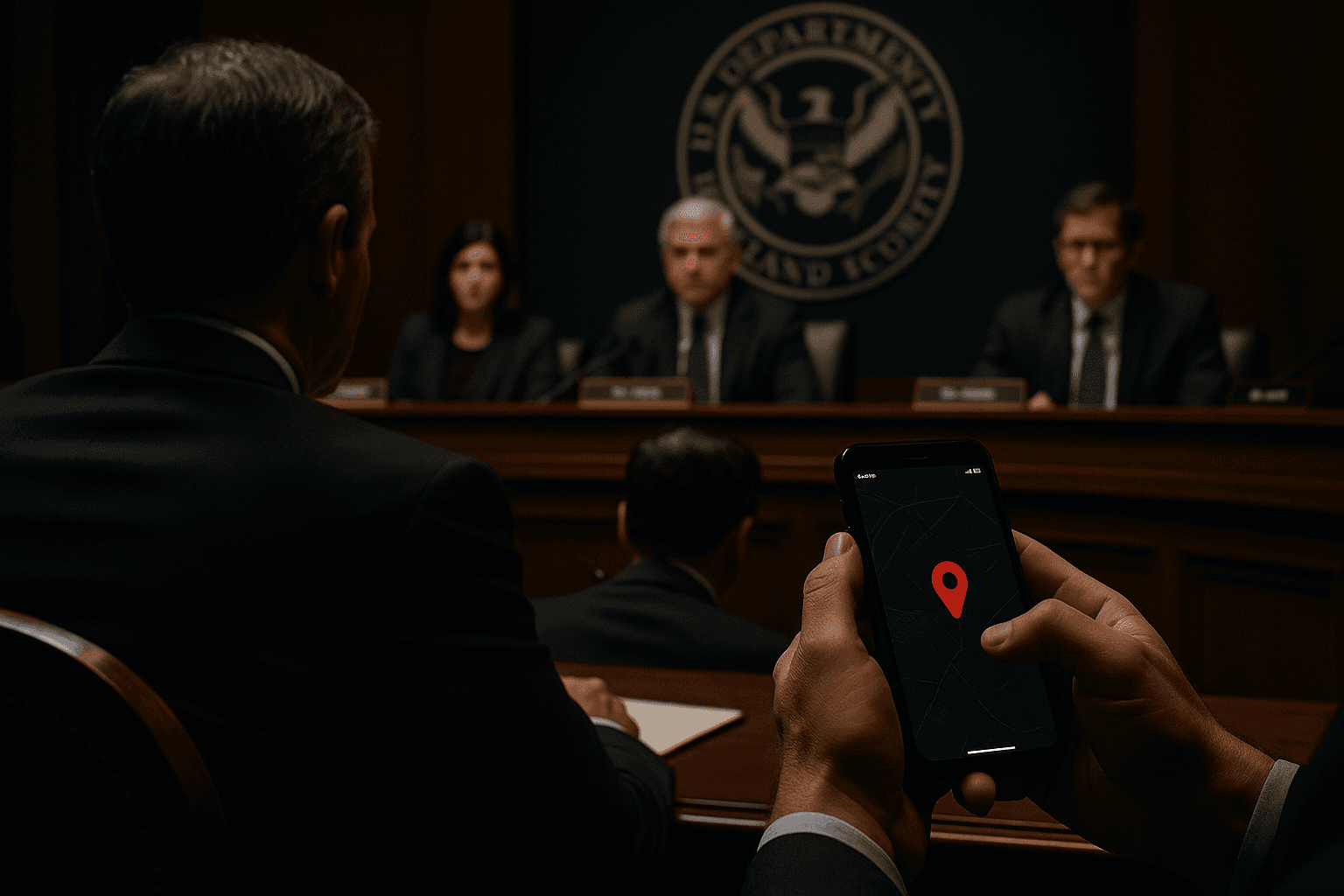
The letters to Google and Apple ask for documentation of the companies internal reviews, copies of policies applied to these apps, and records of communications with developers and law enforcement. The committee gave the companies a short timetable for a briefing, reflecting lawmakers urgency on the issue.
Tech platforms face technical and legal challenges when policing apps that exploit location data. Marketplace removals are only one lever. App distribution outside major storefronts and rapid app replication complicate enforcement. The committee’s inquiry could prompt further oversight hearings or legislative proposals aimed at clarifying platform responsibilities and protecting government workers from targeted tracking.
As the December 12 deadline approaches, both Silicon Valley firms will weigh their public safety obligations against free speech and platform governance principles. The outcome of this exchange will influence how quickly and comprehensively major app stores respond to tools that intersect with national security, law enforcement operations, and civil liberties.