How a million pennies built a small North Woods hospital
A 1950s community in Wisconsin collected 1.7 million pennies to build Lakeland Memorial Hospital, showing how small acts can transform rural health care.
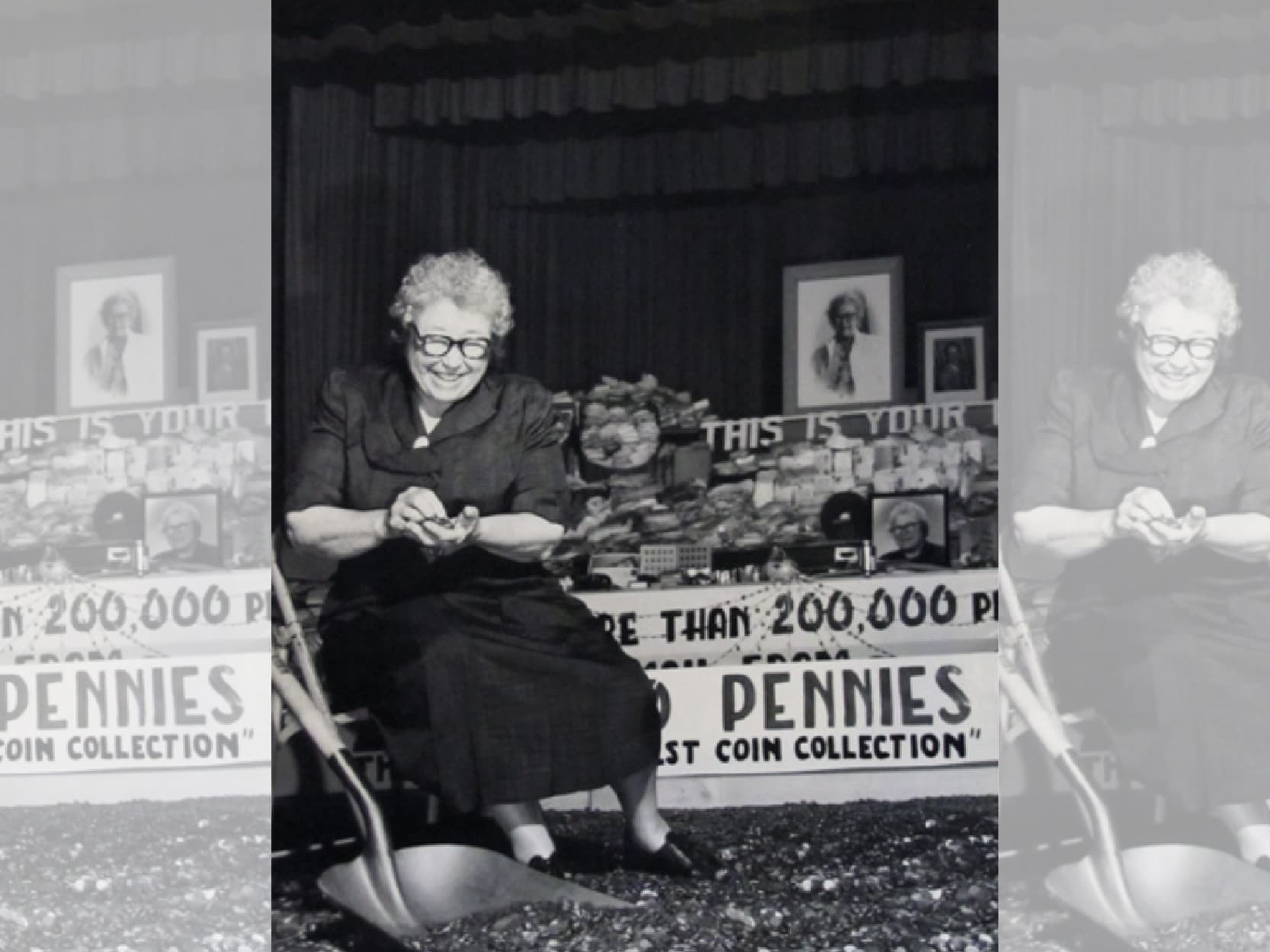
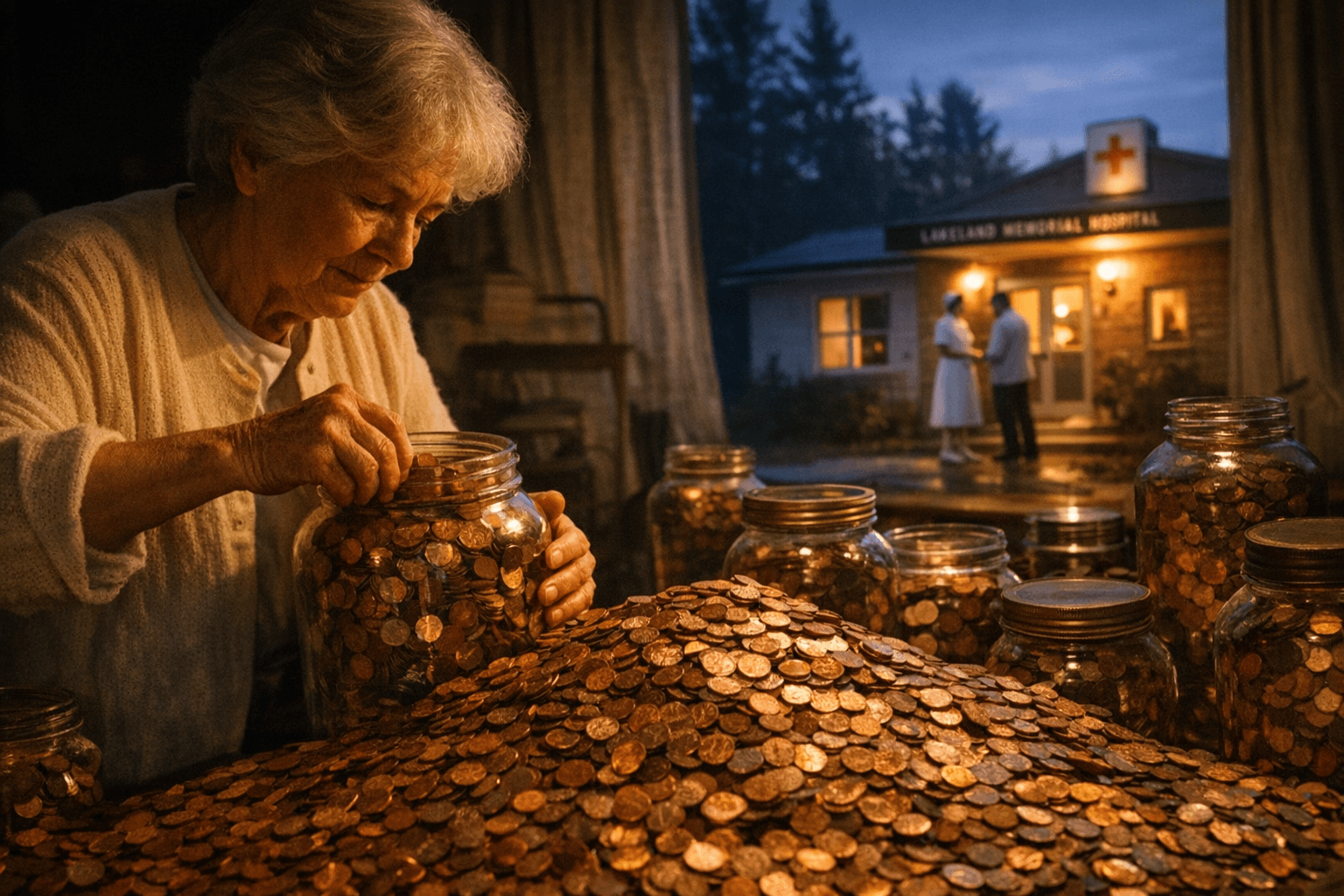
In the early 1950s, a group of high school students and neighbors in Arbor Vitae, Wisconsin, turned pocket change into a hospital. Over 104 days they gathered far more than their goal of a million pennies — 1.7 million coins in total — parading the collection through town in what became known as the Million Penny Parade and using the funds to help create Lakeland Memorial Hospital, which opened in March 1954.
The drive was sparked by a long-standing problem familiar to rural communities everywhere: distance and limited local resources made medical care difficult to access. Dr. Kate Pelham Newcomb, born July 26, 1885, had become a physician in 1917 and moved to the North Woods with her husband, William "Bill" Newcomb. Serving as the primary medical provider for scattered families, she traveled by snowshoe, canoe, and other means to reach patients. Across decades she delivered thousands of babies and championed better local care — a mission that captured the imagination of her neighbors and students.
What began as a grassroots coin drive grew into a national story after Dr. Kate made a surprise appearance on the television program This Is Your Life. The broadcast prompted an outpouring of donations from across the country, allowing the community to clear the hospital’s remaining debt and secure its future. The combination of local sweat equity and wider public sympathy turned a modest idea into a lasting institution for the region.
For Hernando County residents, the story is more than nostalgia; it’s a practical reminder of what community organizing can achieve. Our county contains similar stretches of low-density neighborhoods around Brooksville, Weeki Wachee, and outlying areas where access to primary care and emergency services is an ongoing concern. The Million Penny Parade illustrates that small, coordinated efforts — from school fundraisers to townwide drives — can tip the balance when larger systems fall short.
The historical lesson also underscores the value of visibility. The national attention Dr. Kate received translated into resources that a local effort alone might not have unlocked. That suggests a two-part playbook for Hernando organizers: mobilize local volunteers and stories, and use modern platforms to amplify those efforts to donors beyond county lines.
Our two cents? Start small but plan big: rally students and civic groups, set clear financial oversight, partner with clinics or hospitals, and make the story visible. Pennies add up — and so does organized goodwill.
Sources:
Know something we missed? Have a correction or additional information?
Submit a Tip