How Dollar General Workers Should Document Safety Issues and Seek Help
This guide explains how Dollar General employees can document and report workplace safety hazards, what steps to take if they face retaliation, and where to find organizing and advocacy support. Knowing the right channels to use, what records to keep, and when to contact federal agencies can protect workers and improve responses to dangerous conditions.
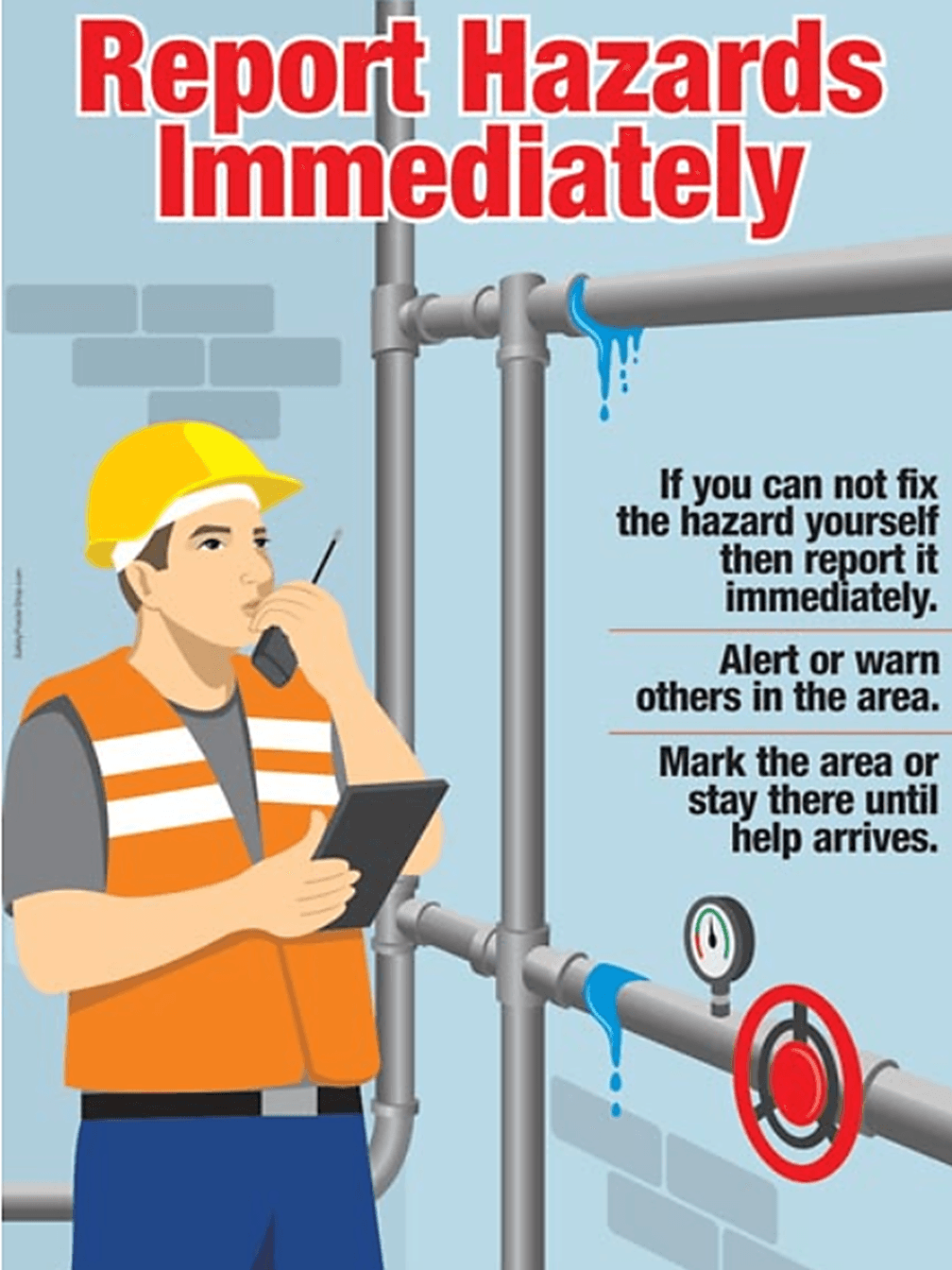
Dollar General employees who encounter unsafe conditions should document and report them promptly, using company channels first and federal resources if problems persist. The most effective record keeping includes the date and time, the exact location in the store such as the register area or backroom, a clear description of the hazard, names of any witnesses, and any ticket or repair request numbers. Take photos or short videos when it is safe and allowed, and keep copies of emails, messages, and maintenance tickets.
Report the issue through your store maintenance or repair ticket system and notify your manager and district contact in writing, noting the ticket number and any promised response times. If the condition presents an immediate danger to life or safety, call local emergency services before taking other steps. If management fails to remedy a serious hazard after reasonable notice, workers can file a confidential safety complaint with the Occupational Safety and Health Administration online at osha.gov or by calling 1 800 321 6742. OSHA accepts anonymous complaints and will inform complainants how it will respond.
If you believe you were disciplined, demoted, or fired for reporting safety problems or for participating in an OSHA inspection, preserve all documentation of the adverse action and consider filing a whistleblower complaint. Deadlines vary by statute and commonly range from 30 to 180 days, so file as soon as possible and keep records of phone calls, emails, schedules, and personnel actions. OSHA enforces several whistleblower protections and provides online complaint forms at osha.gov.

Employees interested in collective action over pay, scheduling, or safety have multiple options. Private sector workers seeking formal union representation generally begin by showing support through authorization cards and may file a petition with the National Labor Relations Board, which explains the representation process at nlrb.gov. Worker advocacy groups and independent organizations also offer on the ground support and can pursue alternatives to formal NLRB elections such as pre majority organizing and public pressure campaigns. Reporting and organizing background on retail worker campaigns can be found at capitalandmain.com.
This guidance is informational and not legal advice. For case specific legal questions about retaliation, discrimination, or complex safety claims, consult a lawyer or a local legal aid or worker rights organization promptly.
Know something we missed? Have a correction or additional information?
Submit a Tip