How Florida Keys Sanctuary Rules Protect Reefs and Boaters
Monroe County residents and visitors must follow Florida Keys National Marine Sanctuary rules to protect coral, reduce vessel damage, and avoid enforcement action. Understanding mooring buoy rules, permitted activities, reef etiquette, and reporting channels matters for local safety, tourism, and long term reef health.
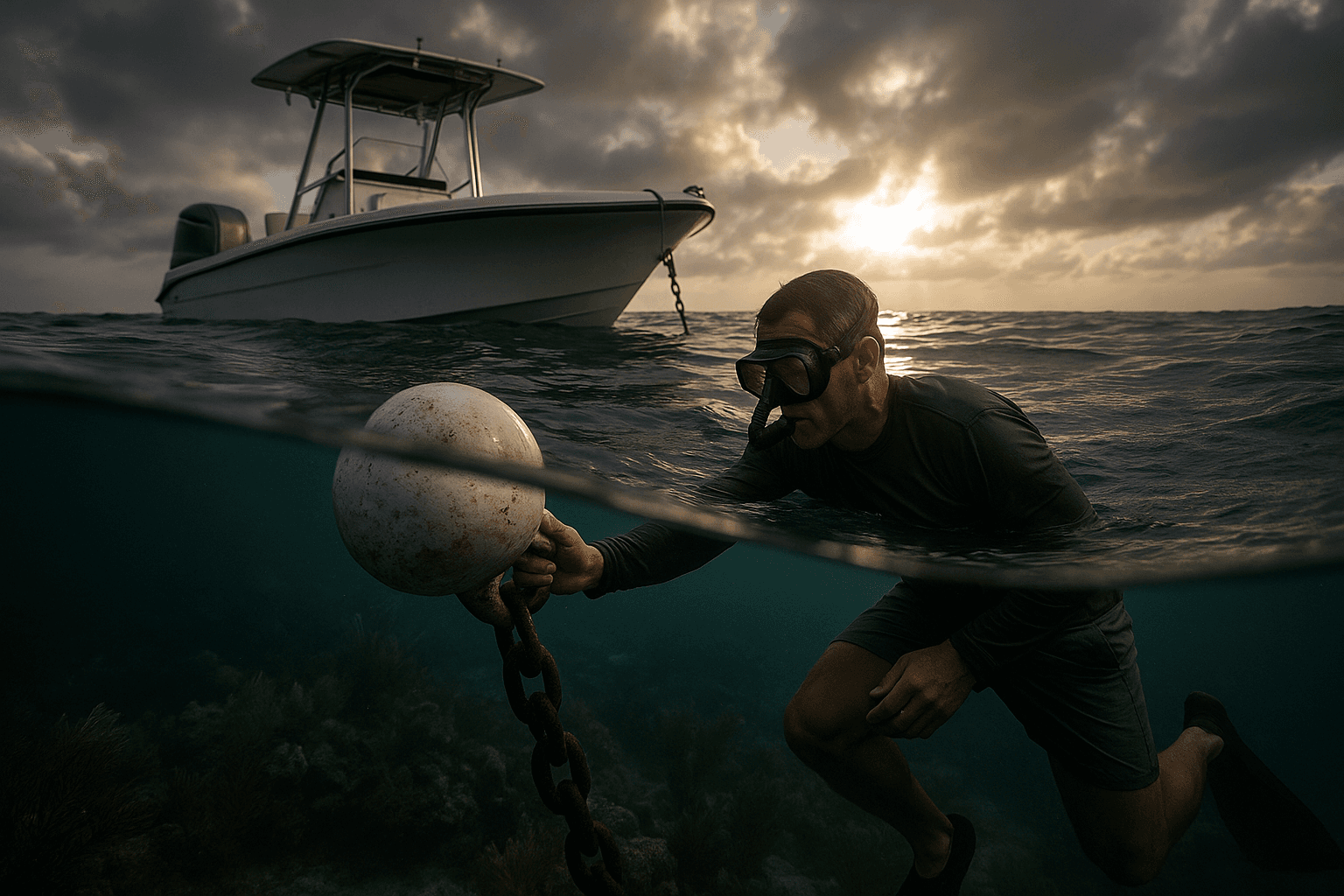
The Florida Keys National Marine Sanctuary covers critical reef and nearshore waters in Monroe County, and its rules govern how boats, snorkelers, divers, and paddle sport users may operate to protect coral and other sensitive habitats. The central practical requirement for boaters is to use authorized mooring buoys where available rather than dropping anchors on reef formations. Mooring buoys are installed to prevent anchor damage to coral, and vessel operators are expected to moor to those buoys when they are present.
Permitted activities under sanctuary guidance include snorkeling, diving, and nonmotorized paddle sports when conducted in a way that avoids contact with reef and seagrass habitats. Prohibited actions include touching or standing on coral, allowing fins or anchors to contact reef, and any activity that causes physical harm to the bottom. These rules are intended to reduce reef injury, limit vessel groundings, and preserve the natural resources that support Monroe County tourism and fisheries.
Practical reef etiquette for residents and visitors centers on prevention. Keep fins and equipment clear of coral, do not enter areas marked for restoration, and avoid anchoring inside marked no anchor zones. When a mooring buoy is available use it instead of anchoring. Approach reefs at slow speed to minimize wake and propeller wash, and avoid taking paddle boards or kayaks inside reef structures where they could abrade coral.
The community impact of these rules is both environmental and economic. Healthy reefs underpin local fishing, tourism, and shoreline protection. Avoiding reef damage reduces costs for salvage and restoration after vessel groundings and helps sustain the dive and snorkel businesses that many Monroe County residents rely on. Operators offering commercial snorkeling and diving services should hold the appropriate authorizations and follow sanctuary protocols. Visitors can verify operators through posted permits or by confirming compliance with sanctuary rules before booking.
For incidents such as vessel groundings or marine pollution report them promptly to the Sanctuary and to the Florida Fish and Wildlife Conservation Commission through their official reporting channels. Timely reports help coordinate response, limit environmental harm, and support enforcement where needed.
Sanctuary management is not static. Planning and management updates are forthcoming and will include public comment windows. Monroe County residents who use or depend on reef resources have an opportunity to engage in those planning processes to shape protections and local access.