How to Start a Neighborhood Pickleball Club in Six Steps
Community players can launch a sustainable neighborhood or community pickleball club using a practical, low-cost playbook focused on consistent scheduling and welcoming culture. The plan covers finding courts, assembling starter gear, organizing fair court rotations and signups, onboarding beginners, building local awareness, and scaling through partnerships or small dues.
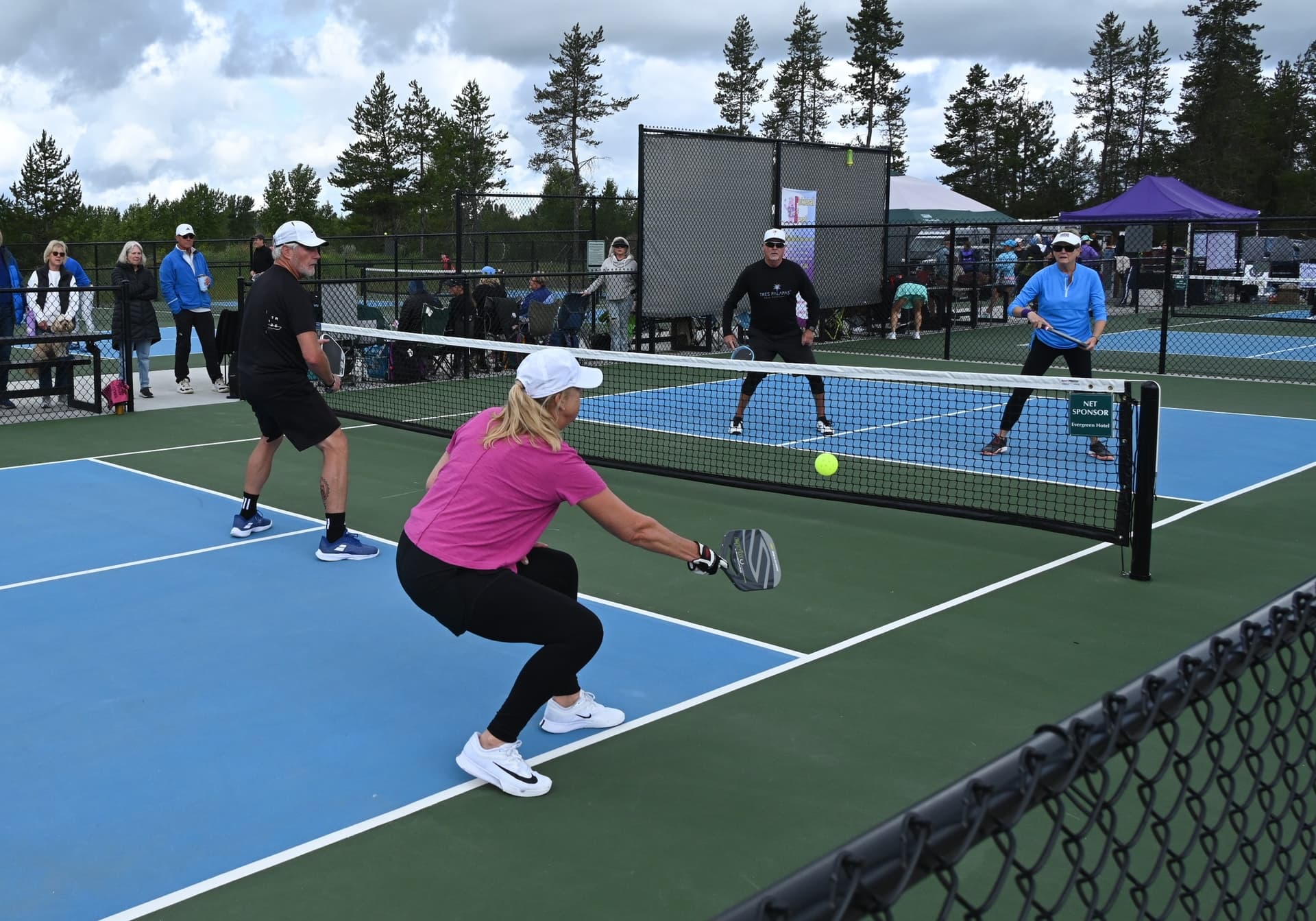
Pickleball continues to be one of the most accessible court sports for neighborhoods and community groups, and creating a local club is simpler than many expect when you follow a clear, step-by-step approach. Start by assessing local demand and securing a reliable location. Public courts, school gyms, or a modest indoor site each work; verify any needed permits or written agreements with parks departments, school administrators, or facility managers before advertising sessions.
Assemble a starter kit that keeps initial costs low and lowers barriers to entry. A set of nets you can install and remove, a handful of loaner paddles in different grip sizes, and extra balls will let you run drop-in play and beginner sessions without asking newcomers to invest immediately. Schedule a consistent weekly time to build habit; a steady slot is often the single best driver of repeat attendance.
Set up basic operations early so sessions run smoothly. Establish a simple member communication channel such as an email list, group text, or social app group. Use an easy signup method to manage numbers and create transparent rotation rules that keep play moving and avoid long bench waits. A fair court-rotation system is essential when courts are limited: plan short games or timed court turns and post the rotation plan where everyone can see it.
Offer beginner-friendly sessions and short clinics as a core growth strategy. Short, focused clinics teach serve, return, and dinking basics while open beginner nights invite families and neighbors. Onboarding newcomers quickly converts casual interest into regular players and strengthens the club’s welcoming reputation.

Build community through social channels and local outreach. Create a simple social presence, post consistent schedule updates, and host small events such as open-house socials or charity tournaments that attract broader participation. Local retailers and sports shops are potential partners for small sponsorships or equipment discounts. When attendance stabilizes, formalize a simple dues or donation system to cover court fees, equipment replacement, or liability insurance.
Scaling can be gradual. Partner with parks departments for expanded court access, work with schools for gym time in off-hours, and explore retailer or sponsor support to fund growth. Keep culture and consistency at the center: a low-cost beginning, predictable schedule, and welcoming atmosphere are the keys to long-term sustainability.
Verify local rules, secure agreements, and start with one dependable session. With those foundations, a neighborhood pickleball club can grow into a vibrant community asset that welcomes players at all levels.
Sources:
Know something we missed? Have a correction or additional information?
Submit a Tip