How Walmart Employees Can File Discrimination and Wage Claims
Federal guidance lays out clear steps for employees, including retail associates, to file charges of discrimination and to report unpaid wages, providing multiple filing options and follow up procedures. These resources matter because they give Walmart workers concrete pathways to raise pay, hour, or discrimination complaints and outline what to expect from intake through potential investigation.
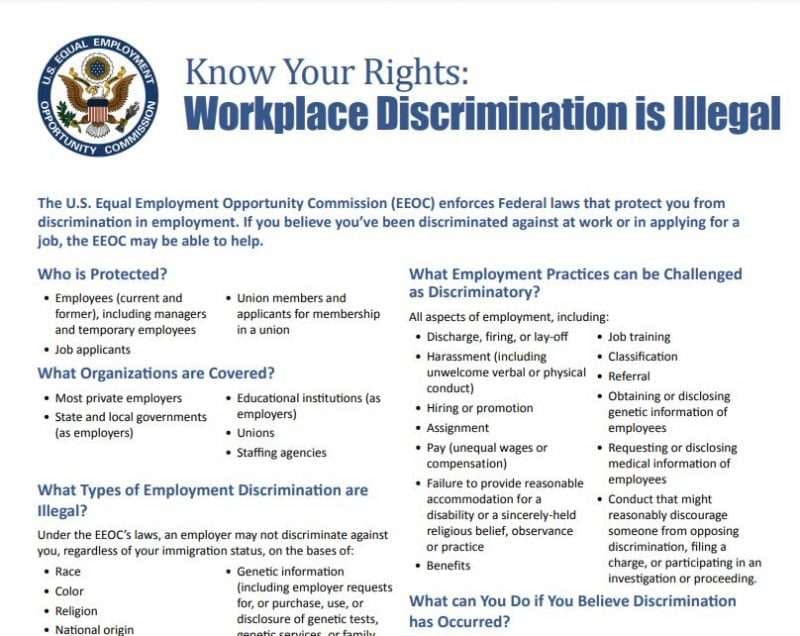
Federal Equal Employment Opportunity Commission guidance explains how employees, including retail associates, can submit a Charge of Discrimination and what happens after they file. The guidance describes who may file, the existence of time limits for filing, and multiple ways to submit a charge through the EEOC Public Portal online intake system, at an in person field office, by mail, or by phone. It also explains dual filing with state or local Fair Employment Practice Agencies and how confidentiality is handled during the process.
The EEOC material lays out the typical follow up sequence for a complaint. After an initial intake interview, an investigation may proceed. Mediation is offered as an alternative in some cases, and in other instances a complainant may receive a Notice of Right to Sue. The guidance is intended to help workers understand the procedural steps and what information they will be asked to provide when initiating a charge.
Complementary federal guidance from the Department of Labor Wage and Hour Division provides steps and contact information for employees who want to report unpaid wages or overtime violations. That guidance points workers to the national helpline at 1 866 4US WAGE and to local Wage and Hour Division offices for filing complaints and obtaining information about enforcement timelines and remedies.
For Walmart associates, these federal resources provide actionable options when workplace pay or treatment raises concerns. Filing a charge or a wage complaint can trigger formal agency review and potential enforcement actions, which can change workplace dynamics by prompting employer investigations, settlement efforts, or mediation. The EEOC guidance addresses confidentiality but does not eliminate the possibility of workplace tension, so employees often document incidents, keep records of hours and communications, and consider dual filing with state agencies when appropriate.
The federal pages identified for discrimination and wage issues serve as starting points for workers seeking to assert rights, obtain remedies, and learn what to expect from government enforcement processes. Employees who believe they have been wronged can use the EEOC Public Portal or contact the Wage and Hour national helpline at 1 866 4US WAGE to begin the process.
Sources:
Know something we missed? Have a correction or additional information?
Submit a Tip