I-26 Connector foundational work to begin along French Broad River
NCDOT plans to begin foundational and causeway work on the I-26 Connector along the French Broad River in 2026, a multi-year project with major completion targeted for 2031.
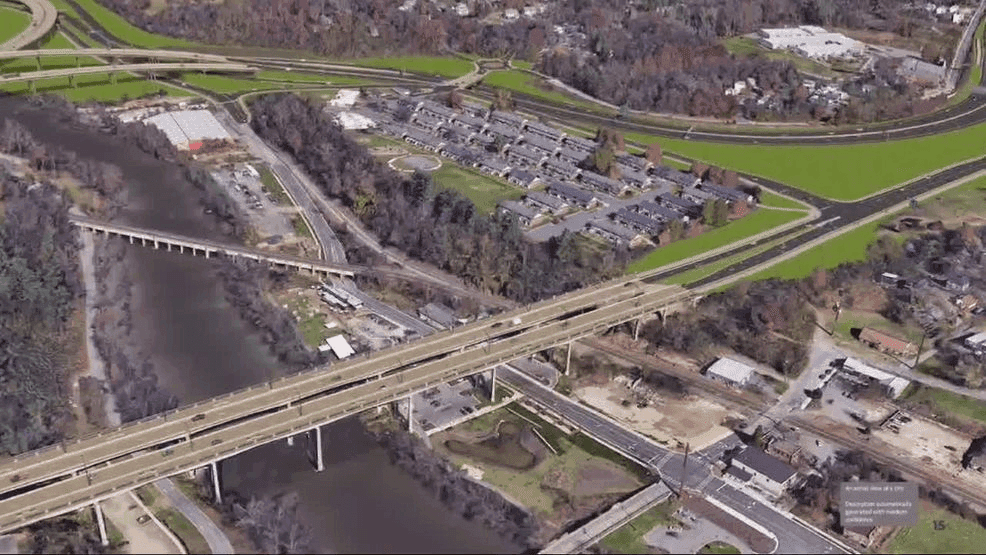
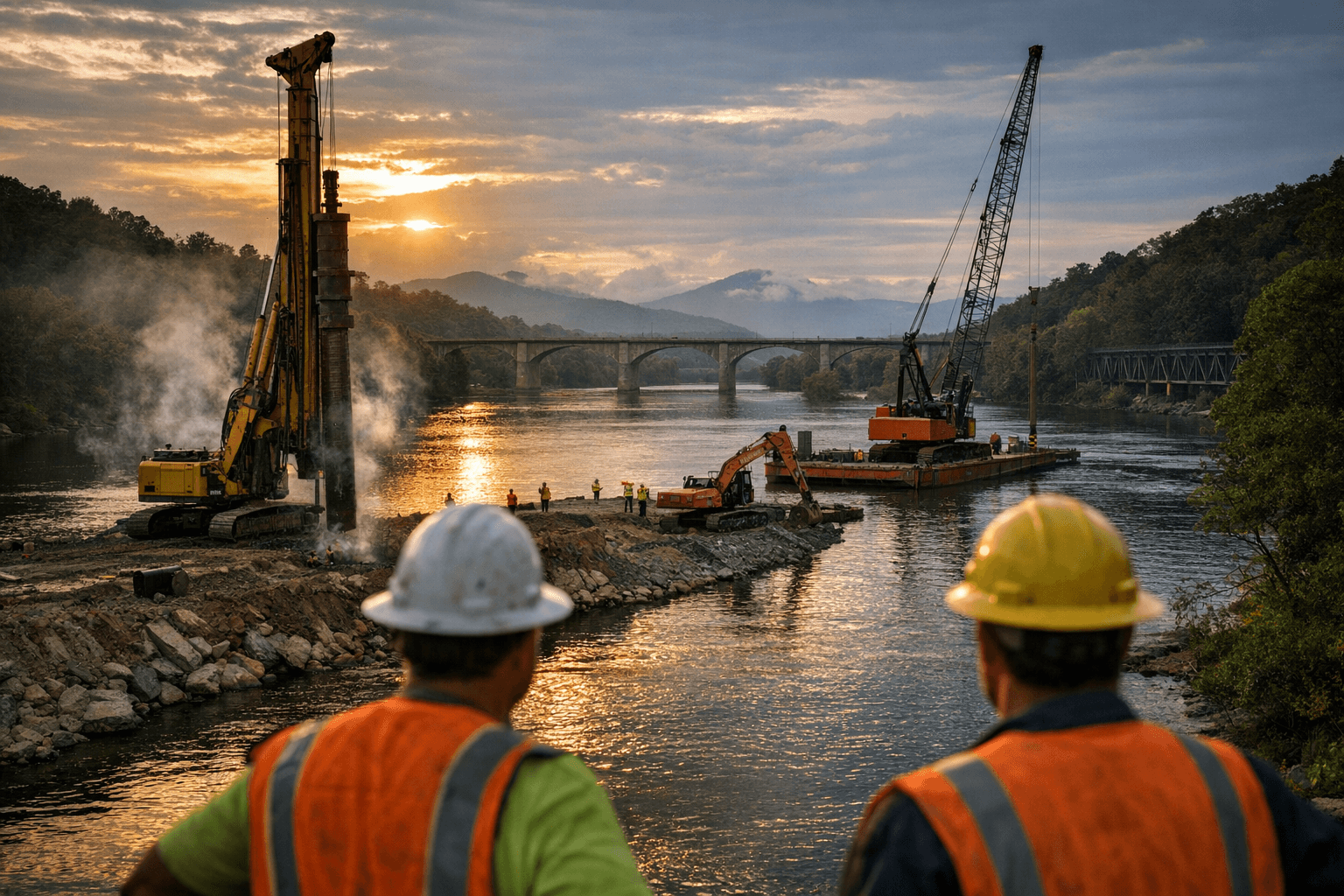
North Carolina Department of Transportation officials told the Council of Independent Business Owners on Jan. 9 that construction on the largest section of the I-26 Connector will begin along the French Broad River, with initial work focused on foundations and causeway construction. Division 13 Construction Engineer Nathan Moneyham said the 2026 work will emphasize activities done outside of live traffic, and the department is planning major completion of the overall project by 2031.
The contract for the North Section, awarded to Archer-Wright Joint Venture, covers Sections B and D and is roughly $1.14 billion. That contract is the largest design-build award NCDOT has issued. With Section C currently unfunded, the overall I-26 Connector program is estimated at more than $1.8 billion for the scoped sections.
The project has been redesigned in part to address a controversial flyover bridge, prompting a NEPA reevaluation. NCDOT expects to release the reevaluated NEPA study in February 2026, with a design noise report slated for spring 2026. Those studies will shape final designs and the mitigation measures for roadway noise, wetlands, river impacts, and community buffers.
Locally, the decision to start foundational and causeway work along the French Broad River will have ripple effects for Buncombe County residents and businesses. Early construction described as outside of traffic does not mean no change for riverfront access or nearby streets. Riverfront businesses, parks and recreational users should anticipate staging areas, temporary closures, and increased construction traffic along haul routes at times. The forthcoming design noise report will be particularly important for neighborhoods close to the corridor; it will provide the technical basis for barriers or other noise mitigation.
The unfunded status of Section C leaves a portion of the Connector unresolved and keeps long-term traffic patterns and land-use outcomes open. For local business owners and property owners, that means some parts of the corridor will be reshaped sooner than others, and development pressure or traffic changes could be uneven through the decade.
The scale of the contracts means substantial local economic activity from construction procurement and subcontracting, but that also brings months and years of heavy equipment, shifted access and periodic lane or ramp work as the project moves toward the 2031 milestone. Expect a steady drumbeat of public meetings, permitting milestones and technical reports in the months ahead as NEPA and design details are finalized.
The takeaway? Keep an eye on the February NEPA release and the design noise report in spring, attend local meetings, and plan for staged construction impacts along the riverfront. Our two cents? If you run a riverfront business or commute through the corridor, start contingency planning now and use the upcoming studies as your roadmap for when and where to expect change.
Sources:
Know something we missed? Have a correction or additional information?
Submit a Tip