Indiana House Approves Trump Backed Map, Senate Fate Uncertain
The Republican controlled Indiana House approved a mid decade congressional map on December 5 that Republican backers say will strengthen their hold on the state and critics say will erode minority representation in Indianapolis. The 57 to 41 vote sets up a high stakes contest in the state Senate next week and joins a broader nationwide effort by Trump aligned Republicans to redraw maps between censuses, with implications for U S democratic norms and the 2026 midterm elections.
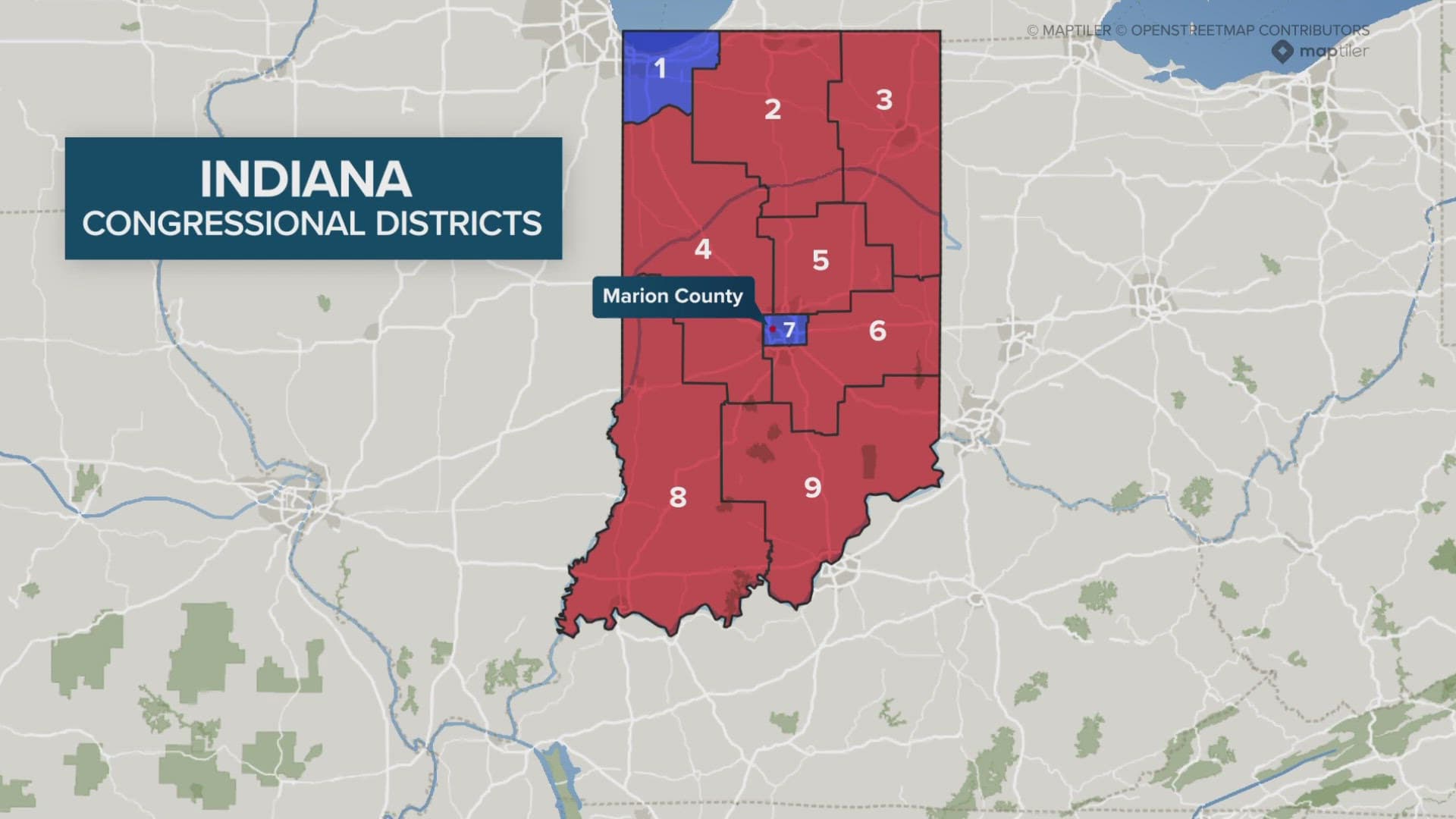
On December 5 the Indiana House approved a contentious mid decade congressional map backed by former President Donald Trump, voting 57 to 41 largely along party lines but with a notable group of Republicans joining Democrats in opposition. Lawmakers say the plan would redraw several districts and is likely to convert two Democratic held seats into Republican ones, a shift that would reshape the state delegation ahead of the 2026 midterms.
Critics of the proposal argue the plan "cracks" communities and dilutes Black and Latino voting strength in Indianapolis, contending the realignment is a partisan effort to entrench Republican control. Proponents contend the redrawing is lawful and politically necessary to reflect shifting population patterns and to provide competitive districts for Republican candidates. The measure now moves to the Republican controlled state Senate where its fate remains uncertain and where votes expected next week could determine whether the map becomes law.
Mid decade redistricting is rare and politically fraught. In Indiana the House action has already drawn attention beyond state borders, because it forms part of a larger, nationwide push by Trump aligned Republicans to redraw maps to their advantage between censuses. That strategy, if successful in multiple states, could alter the balance of power in Congress and influence U S policy on issues from trade to defense at a moment of rising geopolitical tension.
The immediate legal path forward is likely to include challenges. Civil rights advocates and some legal analysts have previously argued that redistricting that dilutes the influence of racial or language minority groups can violate the Voting Rights Act. If those arguments are advanced in court, judges will face complex questions about intent, demographic calculations and the electoral consequences of the new lines. Pending litigation could delay implementation and produce rulings with implications for redistricting practices nationwide.
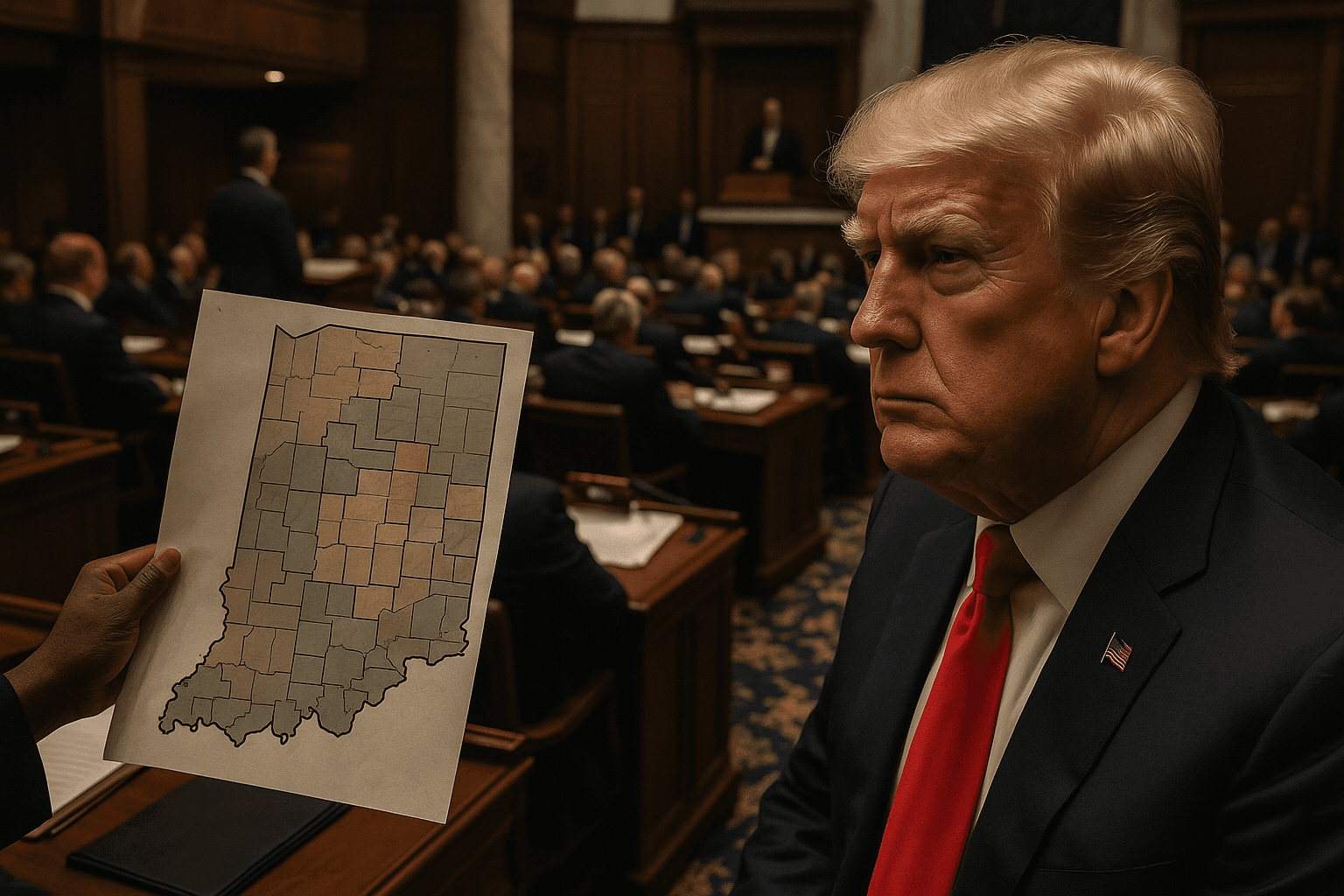
The political stakes are also international. Allies and rivals alike watch U S electoral processes as a barometer of democratic resilience. Moves perceived as manipulating electoral maps for partisan advantage feed narratives about democratic backsliding and can weaken the United States when it presses other governments on issues of fair elections and minority rights. For domestic observers the fight over Indiana’s map is a reminder that state level contests often carry national and global significance.
Whatever the outcome in the state Senate, the contested map will shape electoral strategy in Indiana, energize activists on both sides and almost certainly prompt court battles. That trio of legislative maneuvering, courtroom scrutiny and public debate will determine not only who represents Indiana in Washington but how American democratic institutions are perceived at home and abroad.