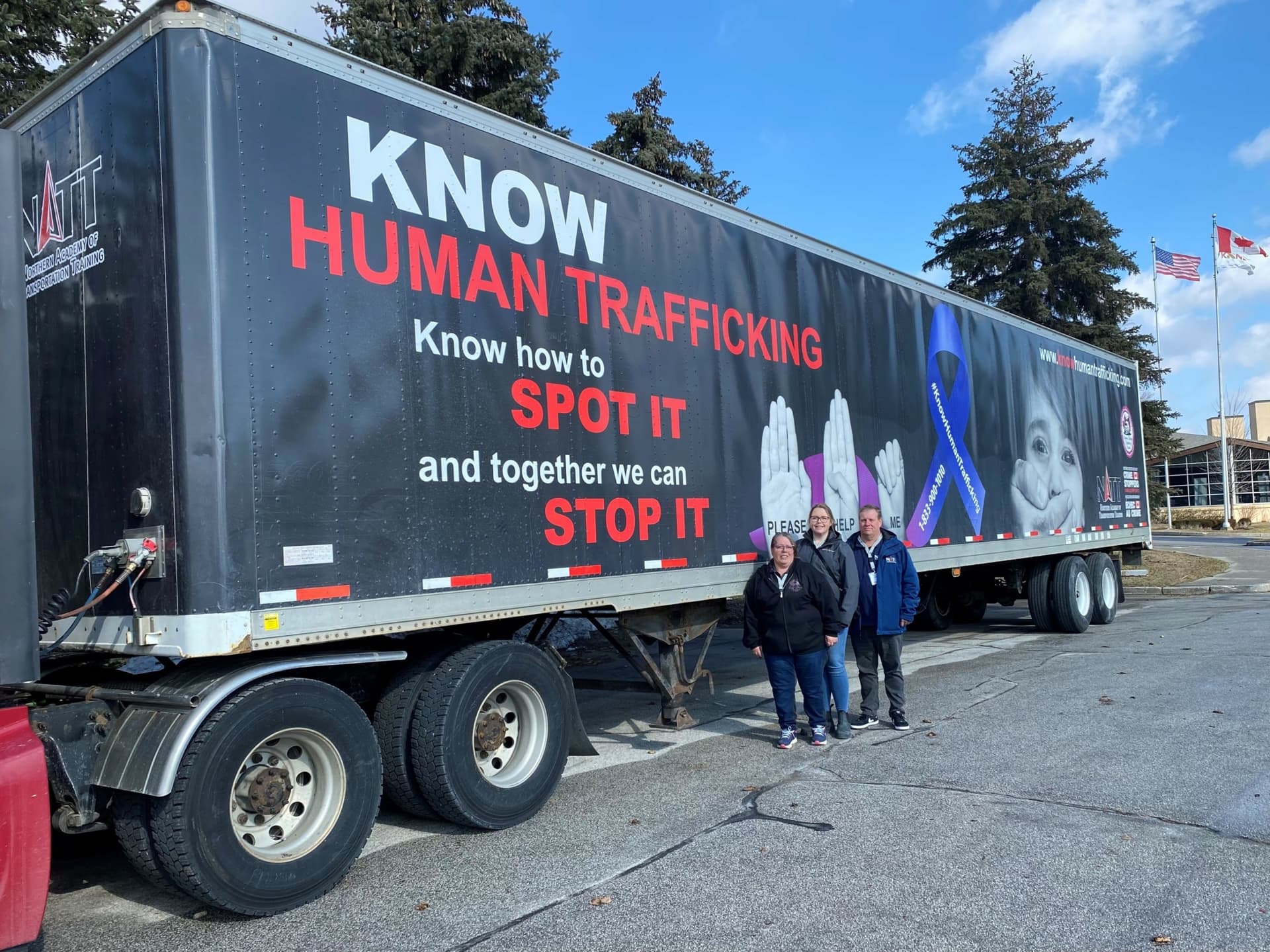
Indiana troopers train truckers to spot human trafficking in county
State police and trucking groups are speaking with drivers during roadside checks to raise awareness and share reporting resources. This aims to boost local detection and protect vulnerable people.
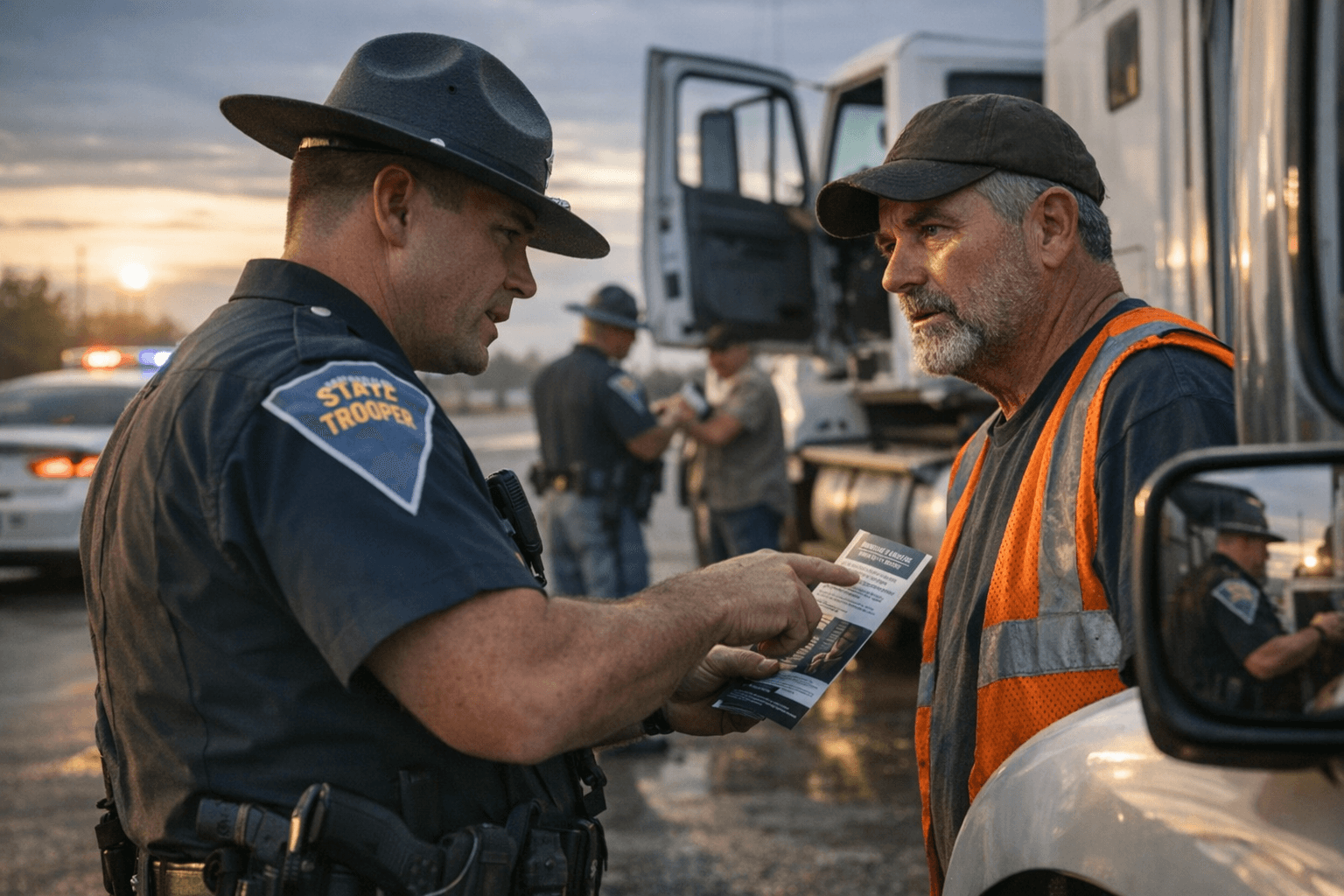
Indiana State Police Commercial Vehicle Enforcement units are working with the Commercial Vehicle Safety Alliance for a regionwide human trafficking awareness initiative running January 12–16, and Dubois County truck drivers and roadside workers are part of the outreach. During routine roadside inspections and at weigh stations and truck stops that serve county routes, enforcement officers are speaking directly with commercial motor vehicle drivers and distributing materials from TAT (formerly Truckers Against Trafficking).
The initiative places commercial drivers on the front line of community safety by explaining how to recognize potential trafficking indicators and how to report suspicious activity. Human trafficking can include forced labor and sexual exploitation, and drivers have historically reported numerous cases, including incidents involving minors. Educating drivers and other industry professionals helps extend law enforcement’s eyes and ears across long stretches of road that otherwise see limited daytime patrols.
CVSA’s Human Trafficking Prevention Program and TAT collaborate to train and equip drivers and carriers with practical guidance. The campaign is multinational: the CVSA initiative runs in the United States January 12–16, follows in Canada February 23–27, and concludes in Mexico March 16–20. That cross-border schedule reflects the transnational nature of trafficking and the need for coordinated responses that span highways, freight hubs, and borders.
For people in Dubois County, the effort matters because commercial corridors and service points are common places where signs of exploitation may appear. Local drivers and trucking staff can notice patterns - repeated short stops, people who do not appear free to leave, inconsistent stories about destinations, or young people traveling with much older companions under unclear circumstances. When those signs appear, passing them on to Indiana State Police or calling 911 in emergencies connects observers with investigators who can evaluate situations and protect victims.
The outreach during inspections is also a reminder that prevention depends on everyday choices by people who work on the road. Training materials distributed by TAT are designed to be simple and practical, fitting into a trucker’s schedule and decision-making on the highway. For county residents, better-informed commercial drivers reduce the chance that exploitation goes unseen on routes that serve Jasper and surrounding communities.
The takeaway? Keep an eye out for anything that feels off, tell your drivers and caretakers to report concerns, and don't assume someone else will call it in. A quick report to state police or 911 can make a big difference for a neighbor down the road. Our two cents? Stay observant and share what you know — small actions by local people and truckers together make the county safer.
Sources:
Know something we missed? Have a correction or additional information?
Submit a Tip