Indonesia mounts large search after ATR 42 surveillance aircraft goes missing
Indonesia mobilizes about 400 personnel after an ATR surveillance plane with 11 aboard lost contact near Mount Bulusaraung; searchers face bad weather.
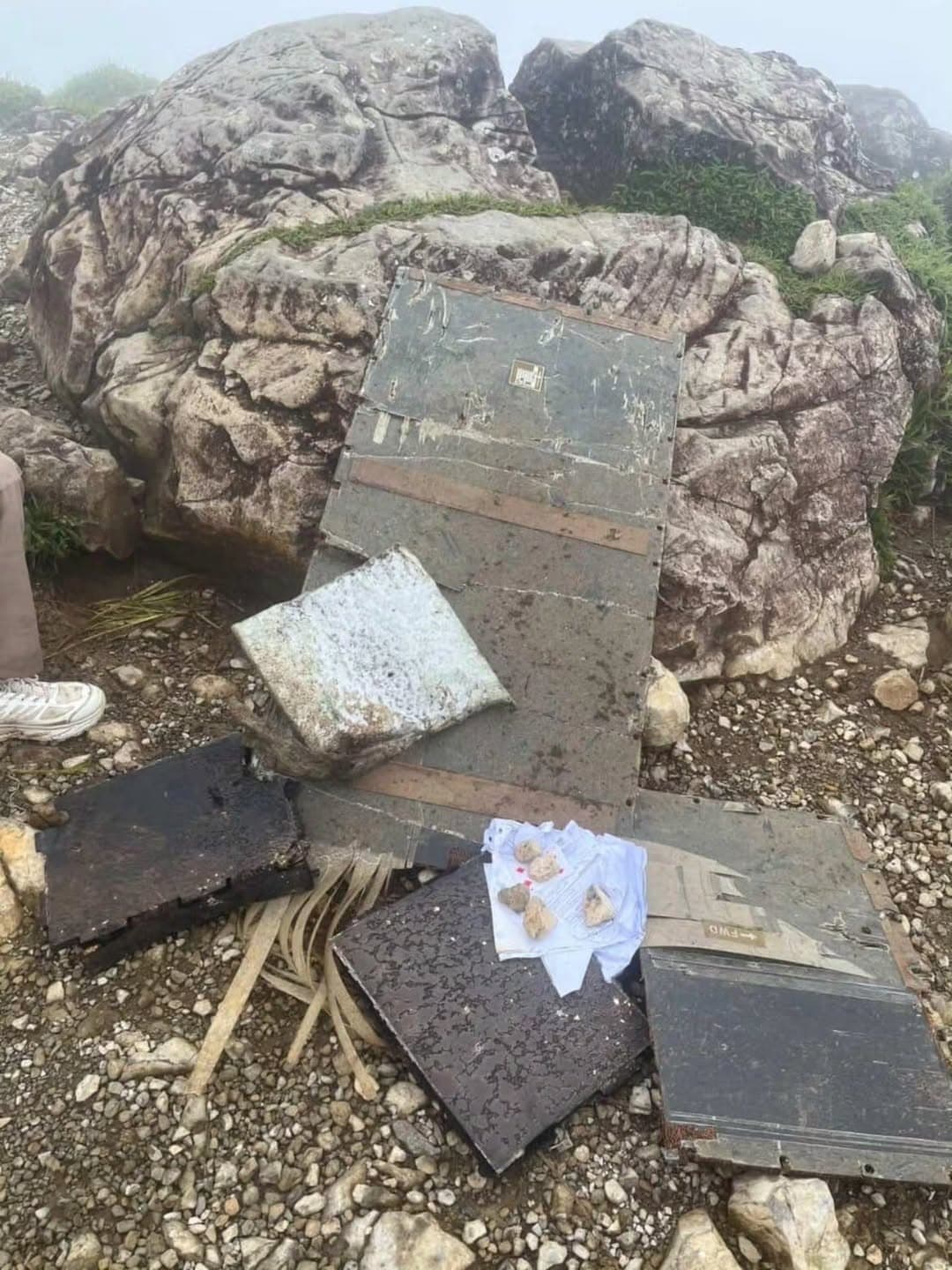
Indonesian authorities launched a major search operation after an ATR regional turboprop conducting a fisheries surveillance flight lost contact while approaching mountainous terrain in South Sulawesi. The aircraft, identified in technical records as an ATR 42-512 with registration PK-THT and serial number MSN 611, departed Yogyakarta bound for Makassar with 11 people on board—commonly reported as eight crew and three Ministry of Marine Affairs and Fisheries staff. Contact was lost during approach to the Maros-Leang-Leang area at about 13:17–13:30 local time.
AirNav Makassar Area Terminal Service Center logged the last radio contact at coordinates 04°57'08”S, 119°42'54”E, roughly 21 kilometers northeast of Sultan Hasanuddin Airport runway 21. Unverified flight-tracking data showed the aircraft at about 11,000 feet over the Java Sea before a rapid altitude loss and disappearance from tracking feeds. Local climbers and media later posted images and accounts of debris near the slopes of Mount Bulusaraung, also reported as Mount Bulu Saraung, though Indonesian officials stressed initial reports were unconfirmed while search-and-rescue teams worked on the ground.
The search deployed roughly 400 personnel, including military and police units, air force helicopters, drones and ground teams. Weather conditions have significantly impeded aerial and mountain operations, officials said, concentrating efforts on the Bulusaraung area where rugged terrain complicates access. Aviation manufacturer ATR said it had been informed of an accident in Indonesia and was providing specialist support to the ongoing inquiry.
Operational details point to multiple lines of inquiry. Air traffic control records indicate the crew was not on the correct approach path and received course corrections before losing contact, while aircraft registry files note the twin Pratt & Whitney Canada PW127 engines and a 2000 manufacture year, making the airframe about 26 years old. Investigators are expected to examine ATC recordings, flight data, maintenance logs and the aircraft's operational role as a chartered surveillance platform for fisheries enforcement.

The event has immediate implications for public safety oversight and maritime enforcement capacity. The ministry's confirmed presence of staff on the flight underscores the government reliance on airborne patrols to monitor fishing activity across Indonesia's vast exclusive economic zone. Any prolonged disruption to aerial surveillance could weaken enforcement against illegal fishing and affect fisheries management at a time when Indonesia is expanding maritime monitoring programs.
There are also market and regulatory implications for regional turboprop operations. If the aircraft is confirmed to have crashed, insurers and operators typically review risk assessments and maintenance regimes for similar models, potentially prompting inspections or temporary groundings of like aircraft. ATR’s involvement in the probe may help accelerate technical analysis but could also draw scrutiny of aging fleets operating in demanding operational environments.
Longer term, the incident highlights persistent challenges in balancing an ageing narrow-body and turboprop fleet with rising operational demands across Indonesia's archipelago, increased weather volatility, and the need for robust safety oversight. Authorities have said the search and rescue phase will continue and that findings from on-site assessments and technical records will guide subsequent official determinations.
Sources:
Know something we missed? Have a correction or additional information?
Submit a Tip

