Interfaith Thanksgiving Service Brings Hernando County Together at Temple Beth David
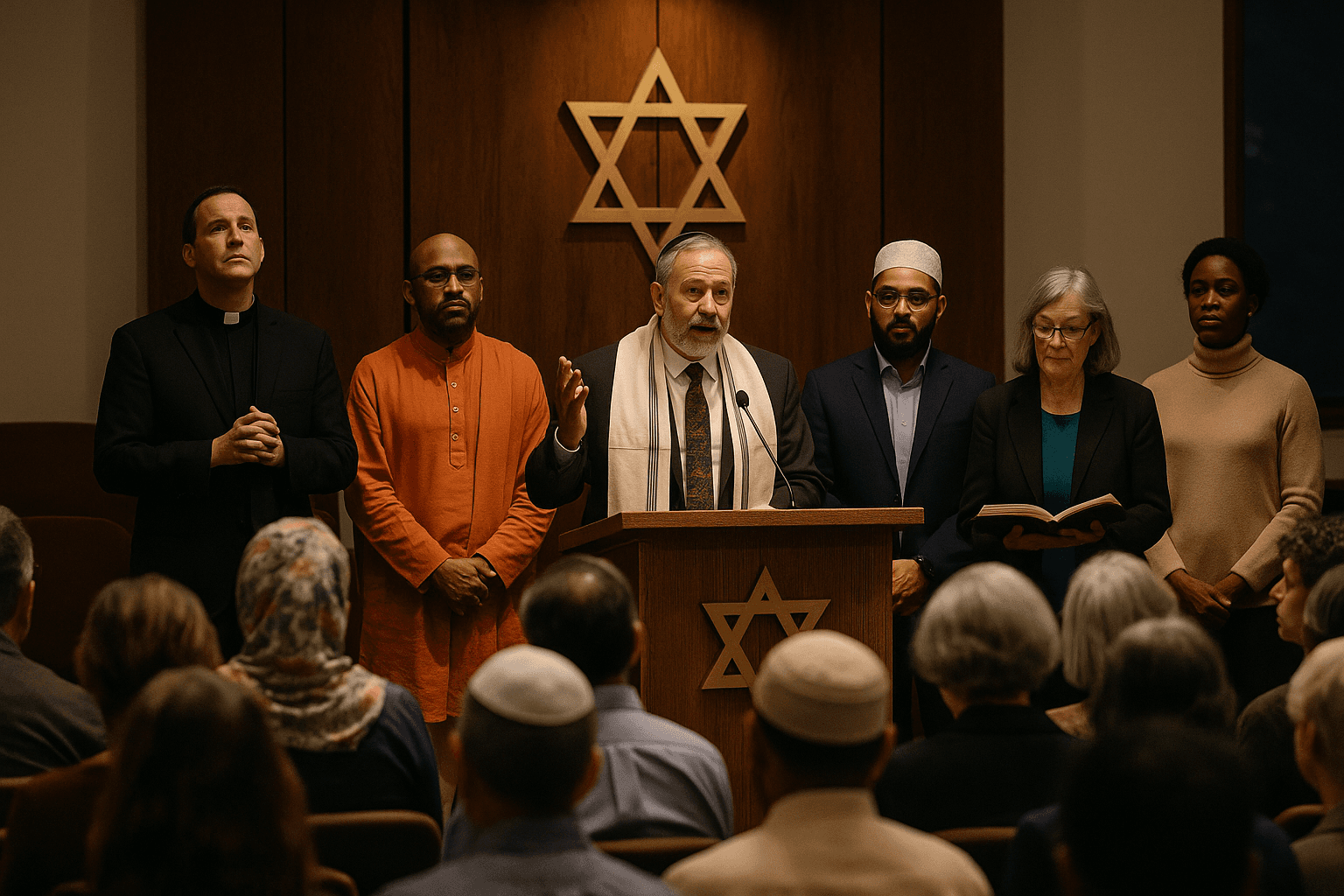
Temple Beth David in Spring Hill hosted an interfaith Thanksgiving service on December 8, 2025, featuring prayers and readings from Jewish, Catholic, Hindu, Muslim, Bahá’í and secular humanist traditions. The gathering emphasized community solidarity and inclusive dialogue, offering local residents a space for shared reflection that carries implications for public health and social equity.

Temple Beth David welcomed neighbors from across Hernando County for an interfaith Thanksgiving service on December 8, 2025. The program, led by Rabbi Jenn Goldberg, included prayers and readings from Judaism, Catholicism, Hinduism, Islam, the Bahá’í faith and secular humanism. The event drew congregants and visitors into a shared space for reflection, followed by a reception that allowed attendees to meet one another and continue conversations.
Organizers designed the service to center common themes of gratitude, care and mutual responsibility while respecting distinct religious languages and practices. Passages and readings offered by representatives of multiple faiths and of secular humanism underscored the event goal of mutual recognition. The reception after the service created informal opportunities for connection across generations and backgrounds, reinforcing bonds between longstanding members of the congregation and newcomers to the area.
The event carries practical significance for Hernando County beyond spiritual life. Public health researchers and community organizers point to social connection and civic engagement as protective factors for mental health. Inclusive gatherings that welcome diverse beliefs can reduce isolation, strengthen local social networks and make it easier for residents to access community supports in times of need. For older adults and people living alone, regular opportunities for fellowship can translate into better health outcomes and lower demand for emergency social services.
Temple Beth David traces its roots to the 1970s, growing alongside Hernando County as the population expanded. That history frames the synagogue as both a religious home and a civic institution that can model inclusive community practices. By hosting an event that intentionally included minority and nonreligious perspectives, the congregation signaled a commitment to social equity and to making civic life more accessible to people from varied backgrounds.
Local leaders who care about public health, community resilience and equitable access to services may see interfaith work as a cost effective complement to formal programs. Encouraging partnerships among houses of worship, civic agencies and health providers can help connect residents with resources while building the social infrastructure that supports well being. The December 8 service ended with neighbors lingering in fellowship, a small but meaningful step toward a more connected and resilient community.