Island County urges caution as juvenile newts migrate across land
On December 9 Island County Public Health issued guidance as juvenile rough skinned newts completed seasonal migrations from ponds into surrounding woodlands, a movement that brings them onto trails and roads. The guidance matters to residents because the newts carry potent skin neurotoxins, they are vulnerable to being stepped on or struck by vehicles, and community reporting can help track local populations.
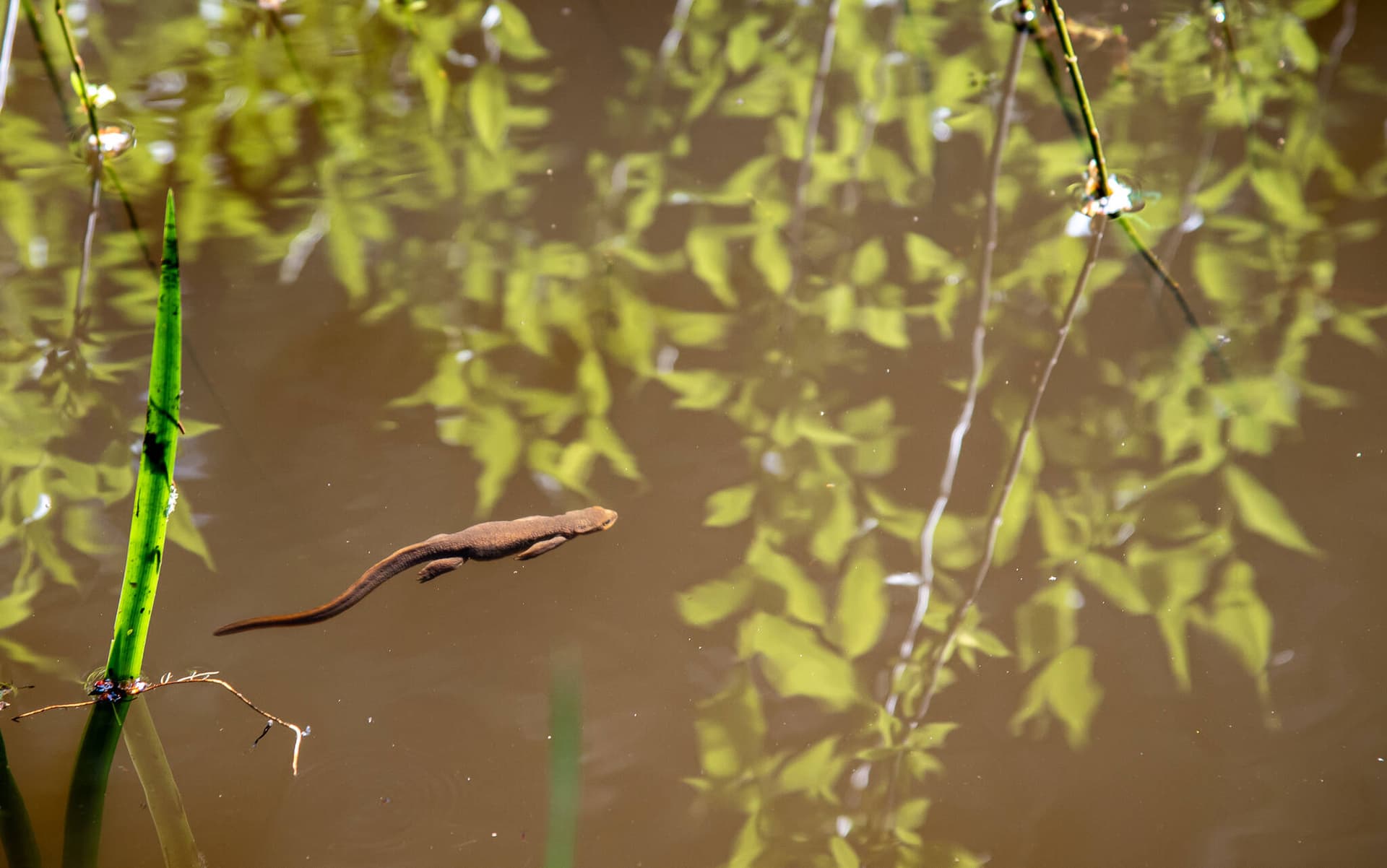
Island County Public Health alerted residents that juvenile rough skinned newts are completing their seasonal migration from breeding ponds to upland woodlands, and that people are likely to encounter slow moving amphibians on trails, paths and roads. The agency advised simple safety and conservation steps including watching for newts, moving live animals gently across to the grass in the direction they are traveling, washing hands after handling, and avoiding stepping on or running over them.
Rough skinned newts are an important part of local wetland and forest ecosystems, and they carry potent skin neurotoxins that can pose a risk if handled and then touching the face or mouth. The public health guidance focuses on minimizing direct contact and reducing accidental harm to the animals while protecting people who come into contact with them.
Staff at Meerkerk Gardens and representatives from the Washington Department of Fish and Wildlife provided context about the species behavior, explaining that juveniles leave rearing ponds each season to colonize terrestrial habitats and that this movement is a normal part of their life cycle. State Fish and Wildlife noted there are no known population declines on Whidbey Island, but encouraged monitoring to detect changes over time.
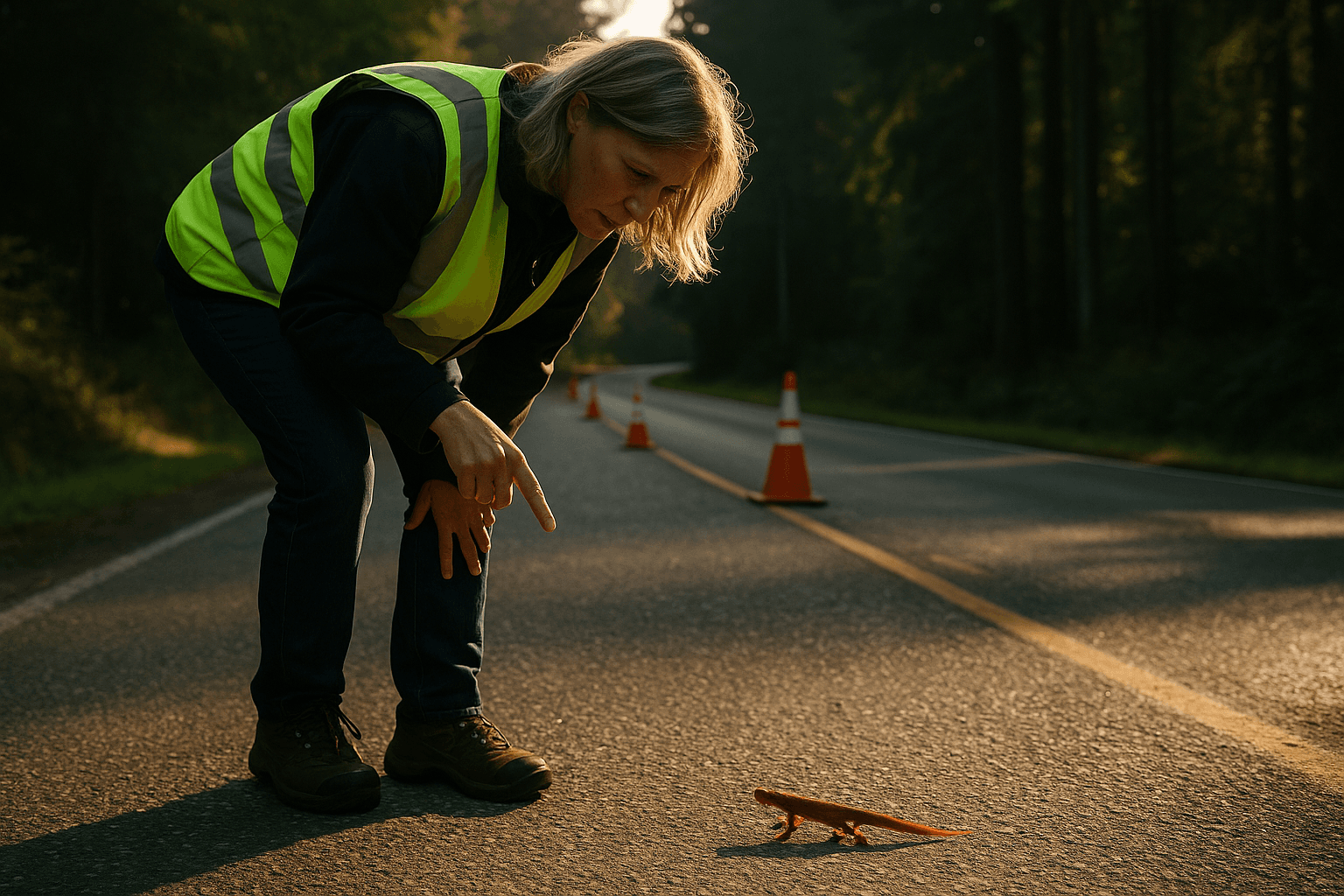
For residents the guidance has practical implications. Slower foot traffic, vigilant dog control and reduced vehicle speeds in areas with wetlands can lower mortality for migrating amphibians. Community members can contribute to monitoring by reporting sightings through iNaturalist, which helps agencies track distribution and emergence timing without intrusive surveys.
The advisory highlights broader policy and planning considerations. Amphibian movements intersect with roads and developed areas, and continued attention to habitat connectivity will influence both conservation outcomes and public safety. By following the county guidance, Island County residents and visitors can reduce harm to wildlife, protect public health, and support local efforts to monitor and conserve a native species during a sensitive seasonal transition.
Sources:
Know something we missed? Have a correction or additional information?
Submit a Tip