Israel on high alert amid risk of U.S. intervention in Iran
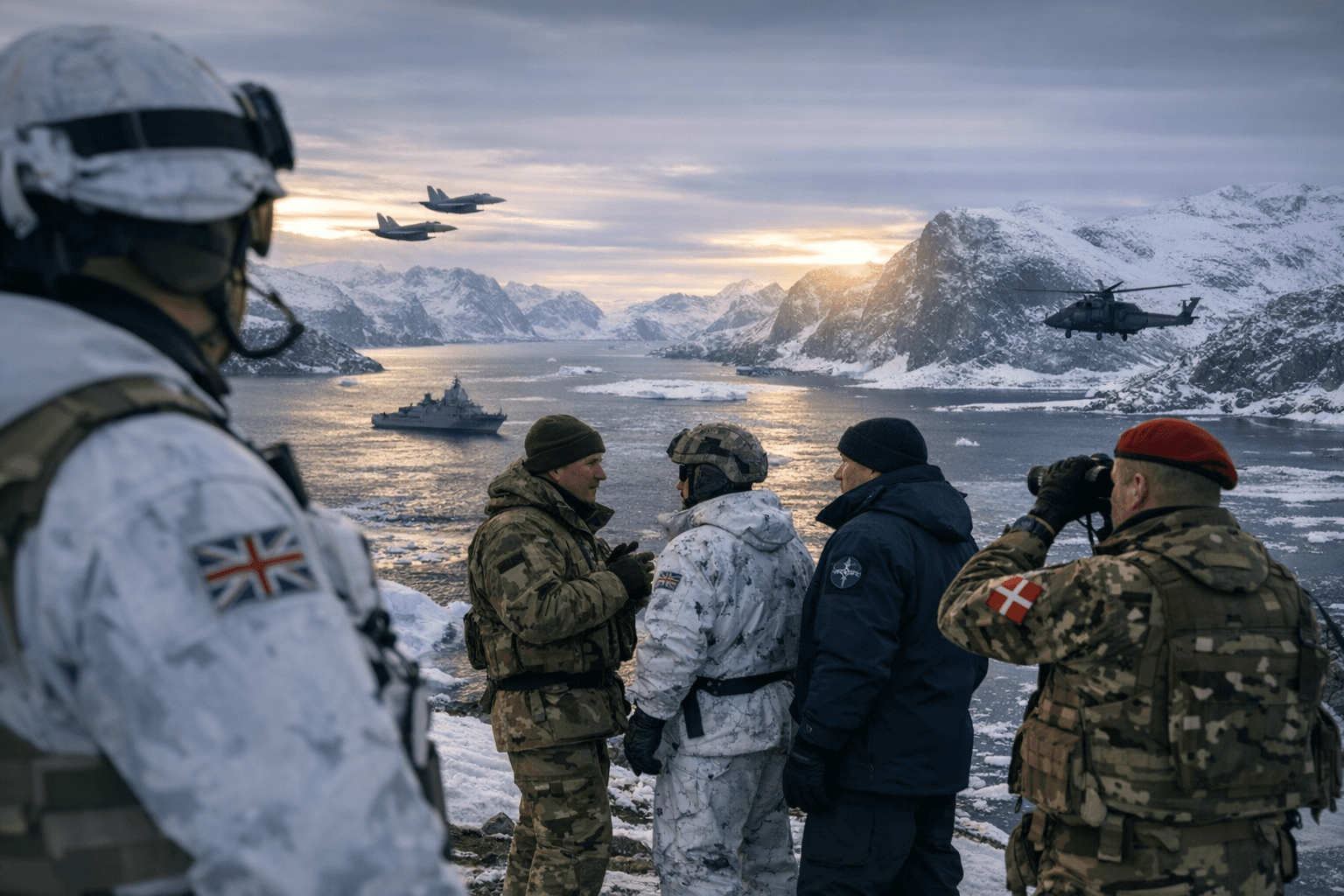
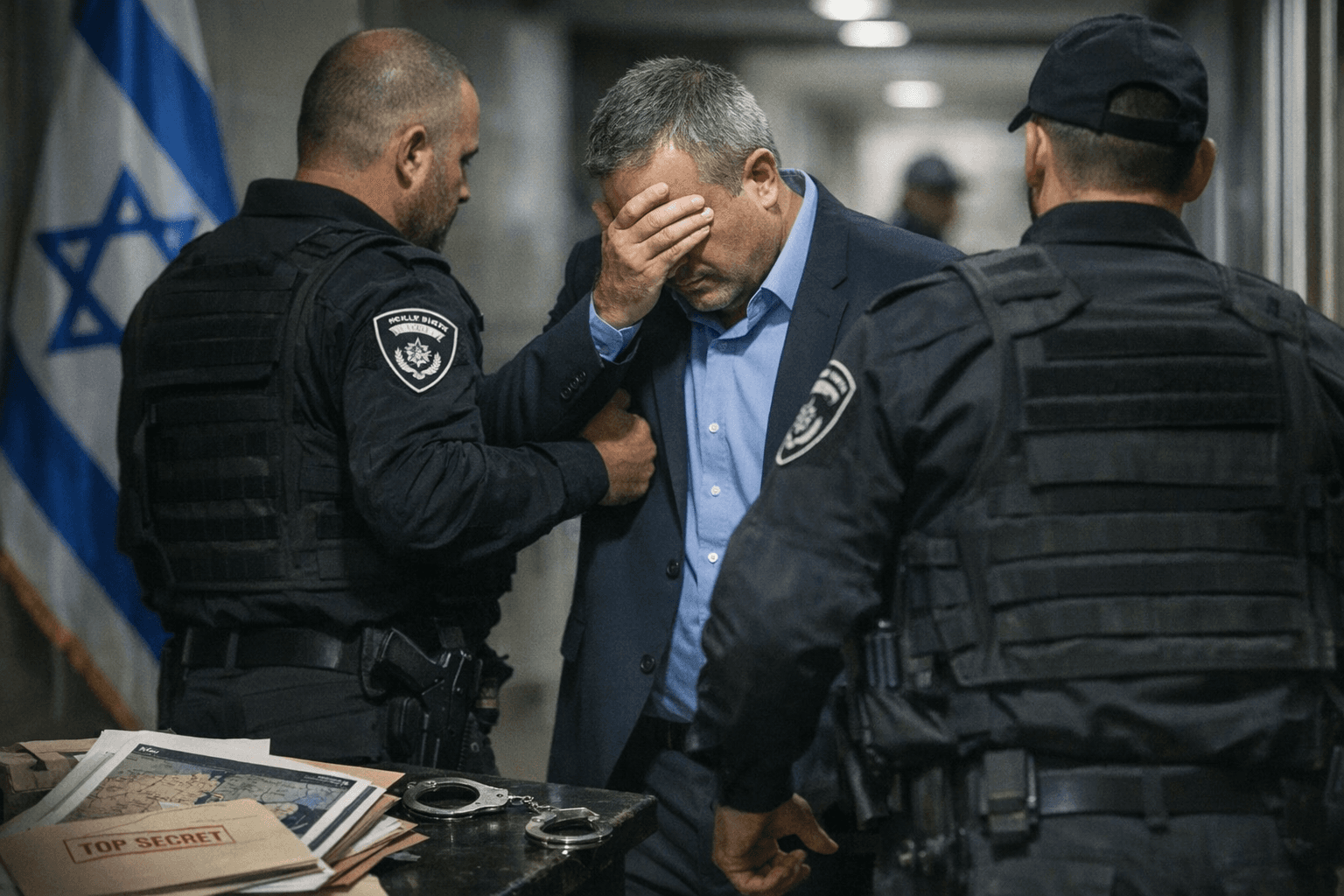
Israel has raised military readiness as U.S. rhetoric and mass protests in Iran heighten fears of foreign intervention.

Israeli security officials have placed the country on a heightened state of alert as authorities assess the possibility that the United States could intervene in Iran amid intensifying anti-regime demonstrations. The heightened posture follows recent U.S. statements and developments inside Iran that prompted contingency planning, Israeli sources said.
Israeli officials raised readiness “over the weekend,” three Israeli sources who attended security consultations told Reuters, according to reporting circulated Jan. 11. The step reflects concern that international involvement in Iran could trigger direct or indirect retaliation against Israel, complicating an already volatile regional environment.
The alert was driven in part by rhetoric from Washington and by a high-level telephone call on Jan. 10. Multiple outlets reported that Prime Minister Benjamin Netanyahu spoke by phone with U.S. political figure Marco Rubio about the possibility of U.S. intervention; some reports referred to Rubio with the title U.S. secretary of state while others did not. A U.S. official confirmed a call to at least one outlet but declined further details. President Donald Trump’s post on Truth Social on Jan. 10 saying, “Iran is looking at FREEDOM, perhaps like never before. The USA stands ready to help!!!” has been cited by officials assessing the risk that American support could escalate the crisis.
Nationwide demonstrations in Iran began after an appeal by exiled former Crown Prince Reza Pahlavi, whose broadcast and online calls urged protesters to “seize and hold” city centers and said he planned to return to Iran. Coverage differs on the protests’ duration: Fox News described the unrest as roughly two weeks old, while Reuters and other outlets reported it entering a third week. Casualty and detention figures vary widely across sources. Reuters, citing a U.S.-based rights group, reported 490 protesters and 48 security personnel killed, a total of 538. Earlier broadcast segments and digital coverage referenced lower, earlier tallies, including an account noting at least 116 dead. Thousands of arrests have been reported in multiple accounts.
Iranian authorities imposed a near nationwide internet shutdown shortly after the demonstrations began. Fox News and cybersecurity experts said the “kill switch” reduced access to a fraction of normal levels, a move critics say was used to conceal alleged abuses by security forces even as Tehran accused foreign powers of stoking unrest. Iranian state media described some demonstrators as rioters and terrorists and reported deaths among security personnel in clashes.
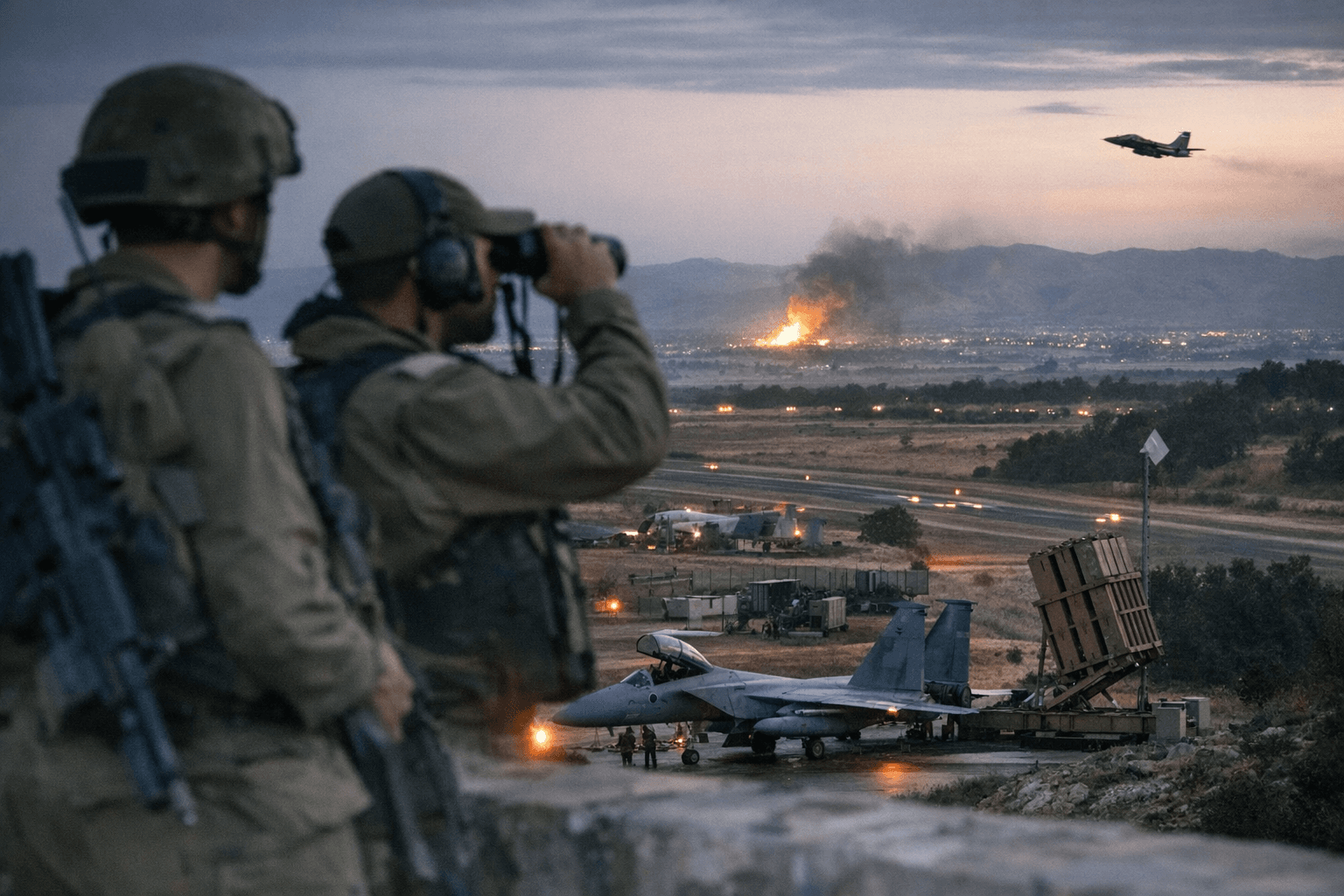
Hardline Iranian rhetoric has hardened the risk calculus. Parliament Speaker Mohammad Baqer Qalibaf warned in parliament that any U.S. strike would prompt Tehran to treat Israel and U.S. regional bases and ships as “legitimate target[s].” Israeli officials, while characterizing the protests as an internal Iranian matter, said the Israel Defense Forces were monitoring events closely and stood ready to respond “with power if need be,” Reuters reported.
The sensitivity of the moment is sharpened by last summer’s 12-day confrontation between Israel and Iran, when U.S. forces briefly struck Iranian nuclear-related sites and Iran retaliated with missile strikes against Israel and a U.S. base. Israeli planners now weigh the prospect of external intervention in Iran against the danger of rapid regional escalation and the legal and diplomatic complications of foreign involvement in a sovereign state’s internal unrest.
Uncertainty persists over intent and thresholds for action in Washington, Tehran and Jerusalem. Israeli officials say their elevated readiness aims to deter spillover and preserve options while diplomats urge restraint as international actors watch a volatile situation that could reshape security dynamics across the Middle East.
Know something we missed? Have a correction or additional information?
Submit a Tip