Israel rebukes U.S. over composition of Gaza executive board
Israel says the White House announced a Gaza executive board without coordination and will press U.S. officials to reverse the move.
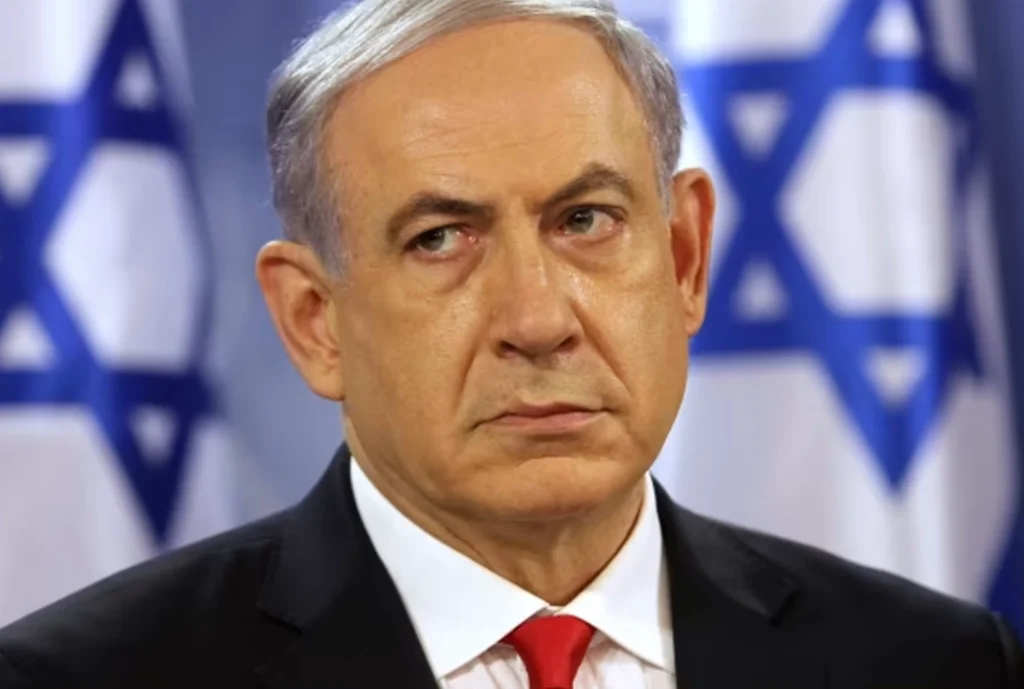
Israel's prime minister's office said the White House's public disclosure of a Gaza Executive Board was made without coordination with Jerusalem and "runs contrary to its policy," prompting Prime Minister Benjamin Netanyahu to instruct Foreign Minister Gideon Saar to raise the matter with U.S. officials. The move deepens a diplomatic rift between two close allies over who will govern Gaza during a planned transition.
The White House unveiled a two-tiered structure to oversee Gaza under a U.S.-led plan that Washington says moves the effort into a second phase. At the top is a high-level Board of Peace, described as responsible for strategic diplomacy and investment oversight. Below it, a Gaza Executive Board is tasked with supervising on-the-ground stabilization and temporary governance arrangements. The U.S. framework also includes a 15-person Palestinian technocratic committee to run Gaza's day-to-day affairs on a temporary basis; that committee is reported to have begun work in Cairo and is led by Ali Shaath, a former Palestinian Authority deputy minister.
Membership lists across the announced bodies mix political figures, international officials and private-sector names. The Board of Peace reportedly includes senior U.S. political figures and private developers tied to investment oversight, while the Gaza Executive Board features regional foreign ministers and U.N. and multilateral figures. Turkish Foreign Minister Hakan Fidan is cited as a member of the Gaza Executive Board, alongside the U.N. Middle East peace process coordinator Sigrid Kaag, representatives from Qatar, Egypt and the United Arab Emirates, and at least one Israeli-linked businessman identified in some reporting as an Israeli-Cypriot investor. The framework also identifies a high representative for Gaza to coordinate international action.
Israel's rebuke centers on both the lack of prior consultation and specific personnel choices. Jerusalem has long objected to any formal Turkish role in Gaza, and the inclusion of a Turkish foreign minister in a governance board is likely a flashpoint. Israeli security authorities also asserted influence over the composition of the Palestinian technocratic committee, effectively exercising veto power and approving the 15 names through the internal security service, which has informed Israel's security cabinet.

The dispute has immediate diplomatic consequences and significant policy and economic implications. Governance of Gaza during reconstruction will determine the flow and oversight of humanitarian assistance, donor financing and private investment. International reconstruction is expected to require substantial funding and careful security arrangements; a high-level board with investment oversight powers signals a larger role for private capital and multinational institutions in reconstruction decisions. That raises questions about procurement, contract awards and how reconstruction priorities will be balanced against political reconciliation goals.
The absence of a clear Palestinian Authority representative on the Gaza-focused body complicates prospects for reintegration of Gaza into a future PA framework, potentially prolonging a transitional governance arrangement operating from Cairo. For Israel, security control and the identity of actors with access to Gaza remain paramount; for international donors and investors, predictability, oversight and stability will determine willingness to commit resources.
Netanyahu's office has instructed Saar to press Washington for changes, creating a test for U.S.-Israel coordination as the administration seeks to marshal regional and international partners for Gaza's stabilization. The dispute underscores how deeply political and security sensitivities will shape reconstruction and governance choices—and how disagreements over personnel and process can quickly translate into broader diplomatic strain.
Sources:
Know something we missed? Have a correction or additional information?
Submit a Tip

