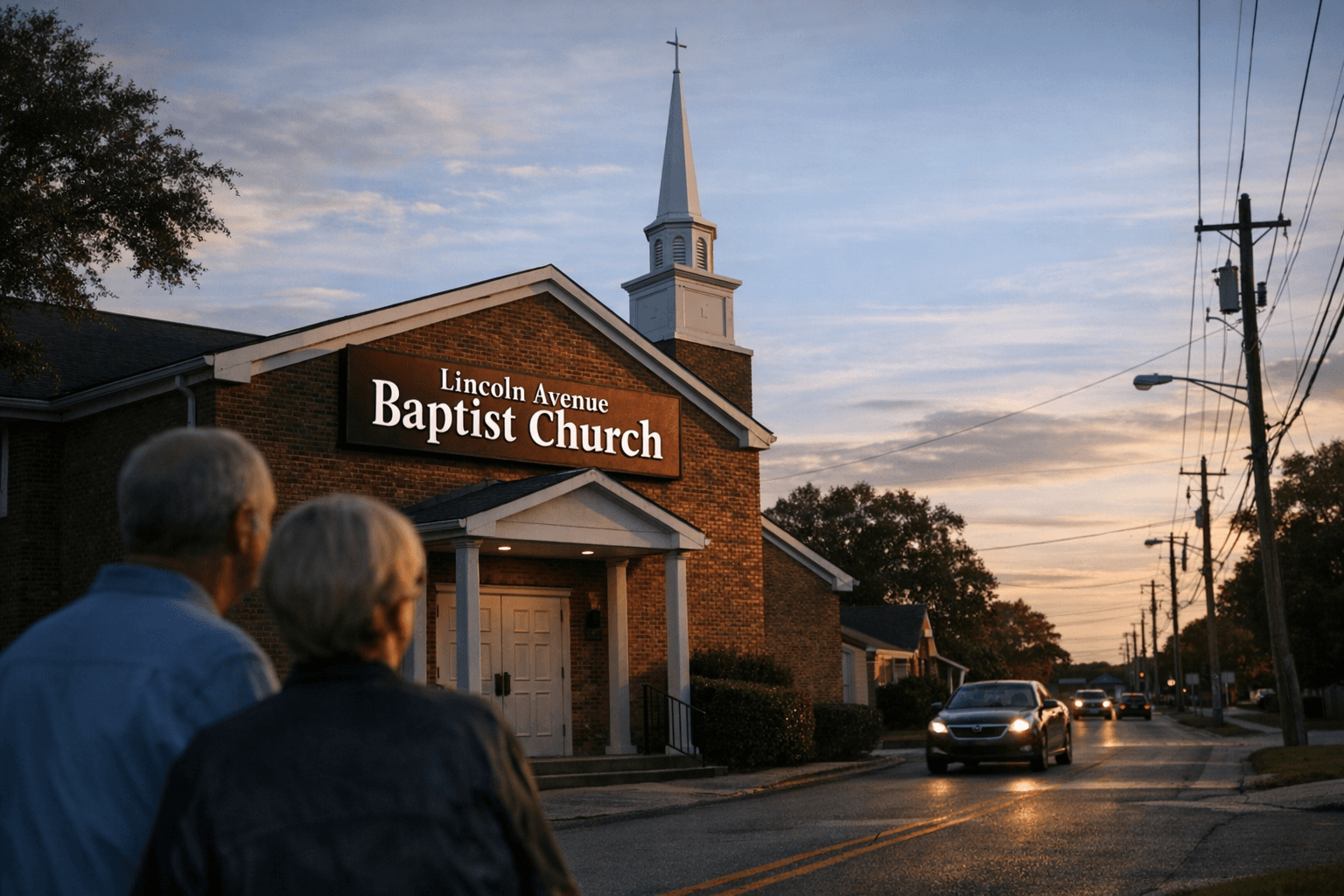
Jacksonville Airport Board reviews lighting upgrade and property lease
The Jacksonville Airport Authority meets for a lighting project update and a closed-session discussion on leasing airport property. Outcomes could shape operations and future tenants.

The Jacksonville Airport Authority Board of Commissioners convenes at 5:30 p.m. at the airport terminal, 1956 Baldwin Road, to consider an update on a lighting project and to enter a closed session to discuss the lease of airport property. The items on the agenda matter to Morgan County residents because they touch on safety, operating hours, and potential new uses for airport land.
Lighting is not just a technical detail. Upgrades to runway and taxiway lights influence when aircraft can safely operate, affect night-time visibility for pilots, and can open the field to additional business traffic, training flights, and medical or emergency services after dark. For local pilots and charter operators the practical questions are about reliability, scheduled downtime while work proceeds, and whether the work will reduce maintenance interruptions. For neighborhoods near the airport, improved lighting can mean shifts in flight patterns or hours, and with them changes in noise patterns and traffic.
The closed session to discuss a lease of airport property signals negotiations that could bring new tenants or reconfigure existing space for hangars, maintenance, fuel services, or other aviation enterprises. Because lease terms are commonly discussed behind closed doors to protect bargaining positions and confidential business information, the specifics will likely remain sealed until the board chooses to report back in open session. Still, the outcome could influence local employment, airport revenue, and the range of services available to pilots and travelers from Morgan County and the wider region.
Small airports like Jacksonville’s serve both local needs and broader linkages. Upgrades and new leases can attract businesses that rely on regional air access, support medical flights, or strengthen resilience during disasters. Conversely, changes without sufficient community input can raise concerns about noise, light spill, and traffic. Residents who value safe skies and sensible growth should monitor the board’s announcements and the published minutes for decisions and timelines.
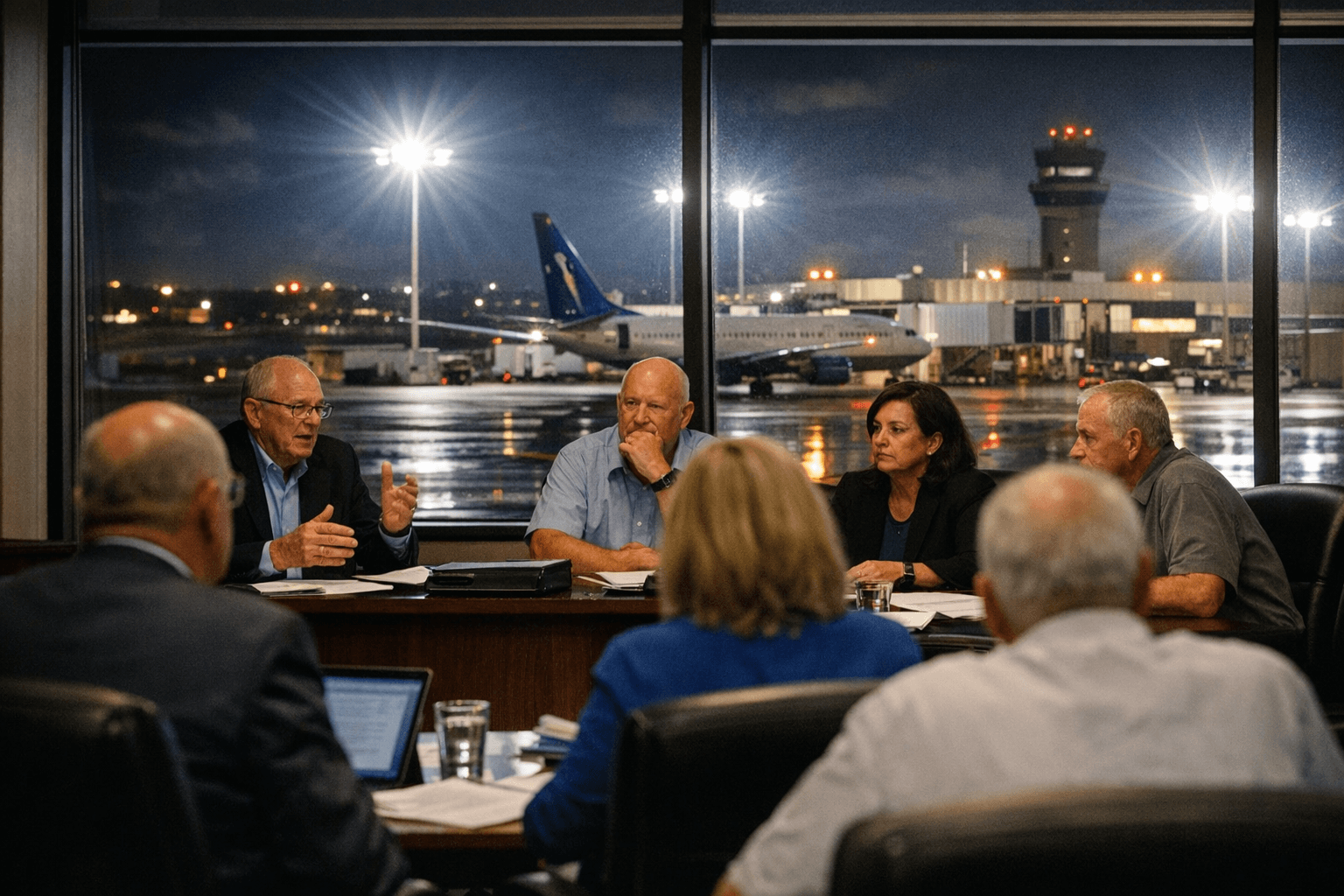
The meeting location at the airport terminal makes the discussion tangible for neighbors and users of the field. If the lighting project proceeds smoothly and lease negotiations bring responsible operators, the airport could improve service while keeping disruptions limited.
Our two cents? Watch the board’s follow-up reports and attend future open meetings if you can; being present is the most direct way to weigh the benefits of safer, better-lit operations against the local impacts you live with every day.
Sources:
Know something we missed? Have a correction or additional information?
Submit a Tip