Jacksonville Schools Host Meetings Over Proposed Ten Percent Levy
Superintendent Steve Ptacek will hold two public sessions this month to explain the district's proposed 10 percent property tax levy and the state Property Tax Extension Limitation Law, matters that could affect local homeowners and school funding. The meetings will clarify how levies differ from extensions, how PTELL limits growth to the Consumer Price Index or 5 percent whichever is lower, and why the district is seeking additional revenue.
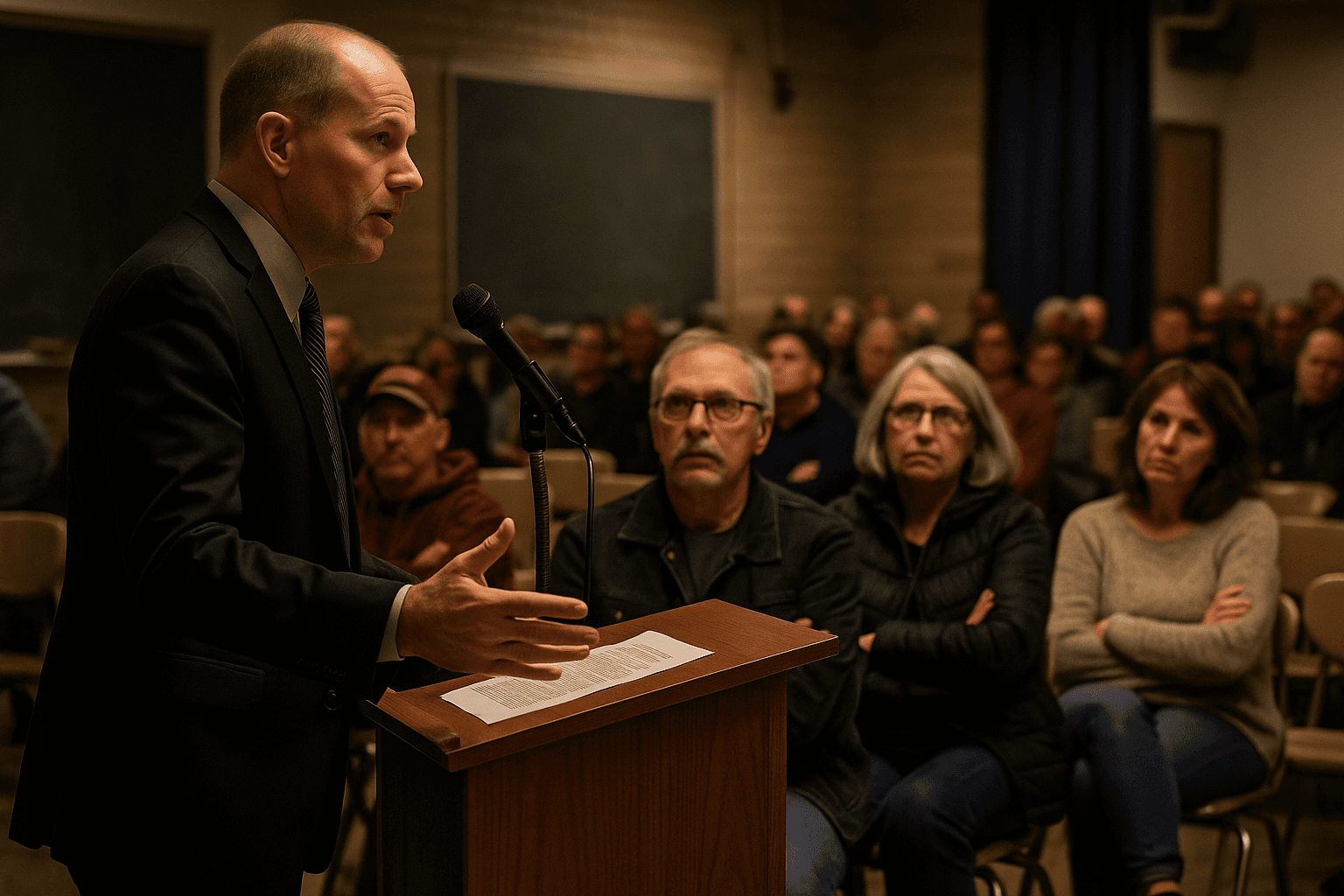
Jacksonville School District officials announced two public meetings to address community concerns about a proposed 10 percent tax levy for the coming year. Superintendent Steve Ptacek will lead sessions at 6 p.m. on December 15 at Jacksonville Middle School, 664 Lincoln Avenue, and at 6 p.m. on December 17 immediately before the scheduled school board meeting at 211 W. State Street.
District leaders framed the meetings as an opportunity to explain the distinction between a levy and an extension. A levy is the amount a taxing body requests. An extension is the actual total billed to property owners. The state Property Tax Extension Limitation Law limits how much tax can be collected on existing properties to the Consumer Price Index or 5 percent whichever is lower. For 2025 that CPI figure is 2.9 percent. Districts may request additional levy amounts to capture revenue from new construction, but officials emphasized that once a levy is filed it cannot be increased, and any funds not collected because of the limit are permanently lost.
Officials also plan to compare Jacksonville tax rates with those across Illinois to give residents context about how the district’s request fits within broader tax patterns. The explanation of technical rules and the permanent nature of uncollected levy dollars will be central to the sessions, as many homeowners and renters alike have raised questions about potential impacts on their bills and on school programs.
The levy decision has direct implications for classroom budgets, staffing, and services that support students from low income households. For communities still feeling the squeeze of rising living costs, understanding how PTELL and new construction revenues interact is critical for assessing both fiscal stability and fairness in tax burden.
Residents who want clarity about how the levy could affect property taxes, and who want to see the district’s comparisons and calculations, should attend one of the meetings. The sessions are intended to provide the facts so the community can weigh the trade offs before the board finalizes its proposal.