Japan lifts tsunami warnings after powerful 7.5 magnitude quake shakes northeast
A 7.5 magnitude earthquake struck off Japan’s northeast coast late Monday, injuring at least 30 people and prompting the evacuation of roughly 90,000 residents before tsunami warnings were lifted. The swift downgrade of alerts eased immediate coastal threats, but officials caution that aftershocks and infrastructure damage will require vigilant monitoring.
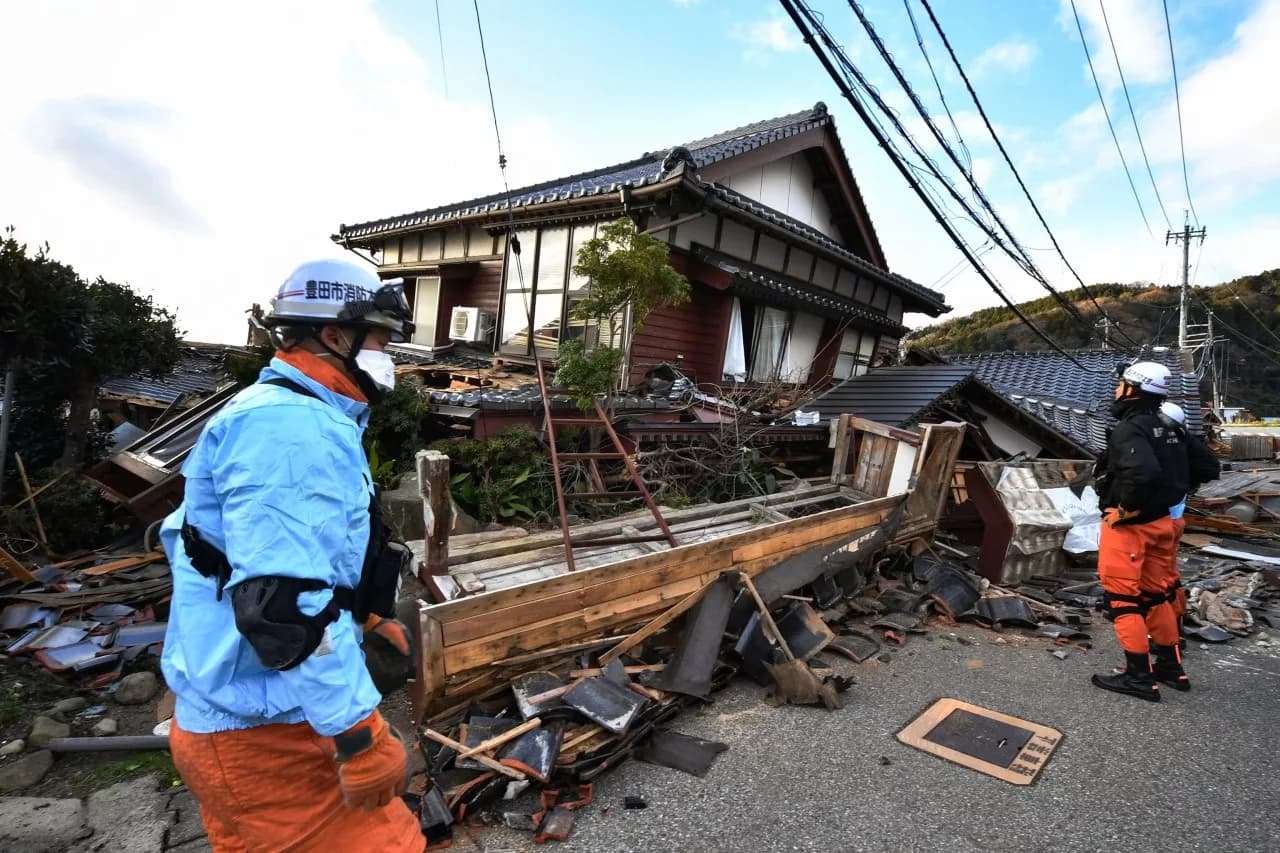
A powerful 7.5 magnitude earthquake shook the waters off northeastern Japan late on Monday, sending residents to higher ground and briefly suspending transport and power in a region still marked by memories of past disasters. The quake struck at 11:15 p.m. local time, 1415 GMT, with an epicentre about 80 kilometres off Aomori prefecture at a depth of roughly 54 kilometres, the Japan Meteorological Agency said.
The JMA initially warned that tsunami waves as high as three metres could hit parts of the northeast coast and issued alerts for Hokkaido, Aomori and Iwate prefectures. Within hours the agency downgraded the warnings to advisories and later lifted them entirely after observing waves of between 20 and 70 centimetres at several ports. Authorities said the quick reassessment reduced the immediate risk to coastal communities, but they continued to monitor conditions closely.
On Japan’s one to seven seismic intensity scale the quake registered as an "upper 6" in Hachinohe city, a level that makes it extremely difficult to stand and can cause heavy furniture and fixtures to topple. Local emergency services reported at least 30 people injured and at least one fire, according to statements by the prime minister’s office. Thousands of residents in low lying areas moved to evacuation centres or higher ground as a precaution.
Transport networks in the affected region were disrupted. Train services were suspended while operators inspected tracks and signalling systems, and thousands briefly lost electricity before utilities restored service. Utility companies warned that power and transport interruptions could recur as crews assess damage and respond to local outages. Nearby nuclear plants reported no anomalies, a relief for authorities mindful of Japan’s 2011 nuclear crisis and public sensitivity to seismic risks.
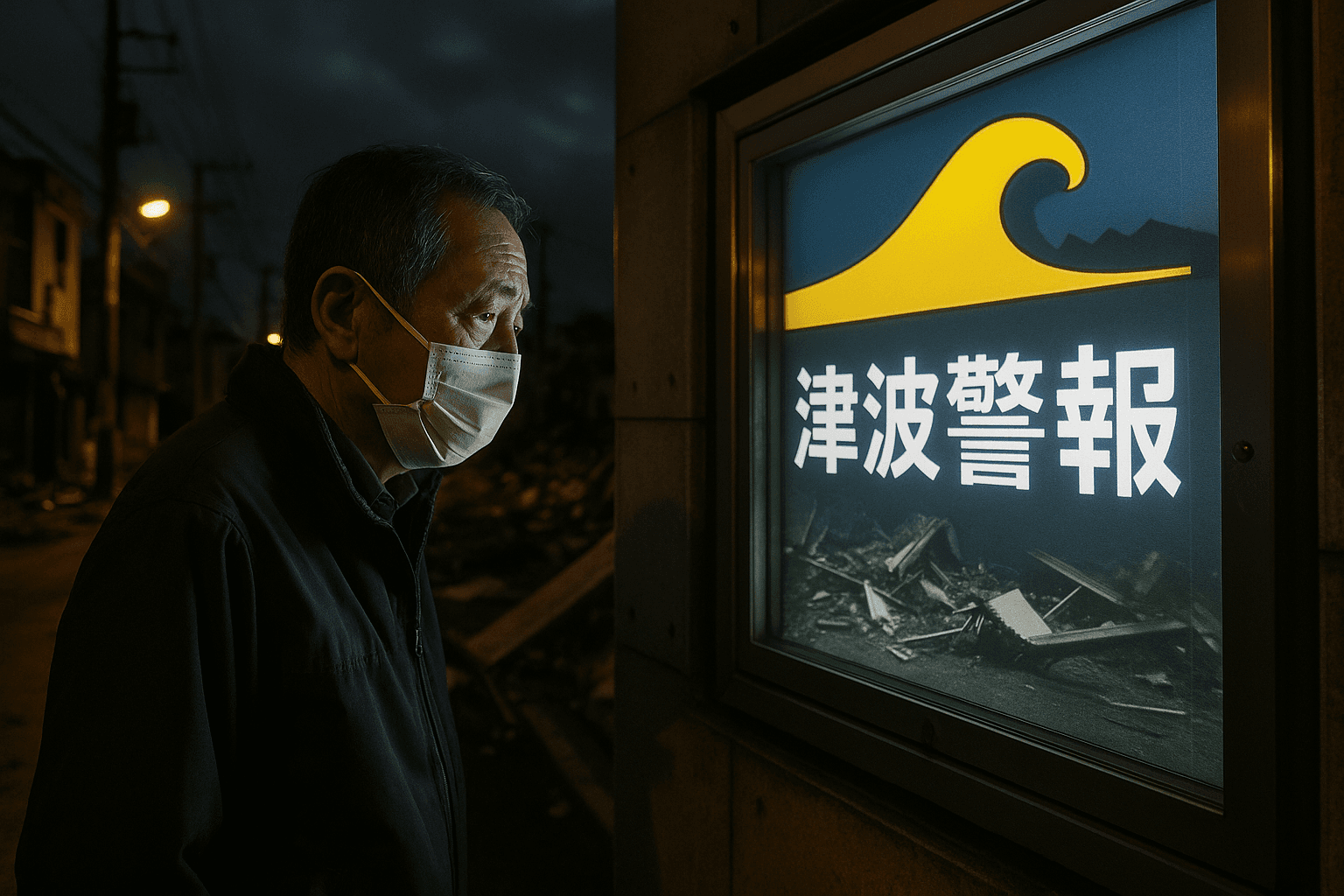
Officials have urged residents to remain cautious, noting the likelihood of aftershocks following a seismic event of this magnitude. Emergency management teams are conducting rapid inspections of coastal infrastructure, ports and bridges and are working to clear roads to aid access for rescue and repair crews. Local governments have mobilised first responders and municipal staff to check on vulnerable populations, particularly the elderly and those in remote coastal communities.
Japan’s extensive preparedness measures, including public drills, warning systems and strict building codes, have been credited with reducing casualties in major earthquakes. Still, the scale of evacuations in the hours after the quake underscores the trauma such events can trigger and the continuing need for resilience in coastal regions.
The international community maintains routine monitoring of seismic events in the Pacific basin. While no international assistance has been requested, the rapid flow of information from meteorological and emergency agencies aims to reassure both residents and global markets that the immediate coastal threat has subsided even as authorities remain on alert for further seismic activity.