Jim Wells County Courthouse Centralizes Services, Transparency, Public Access
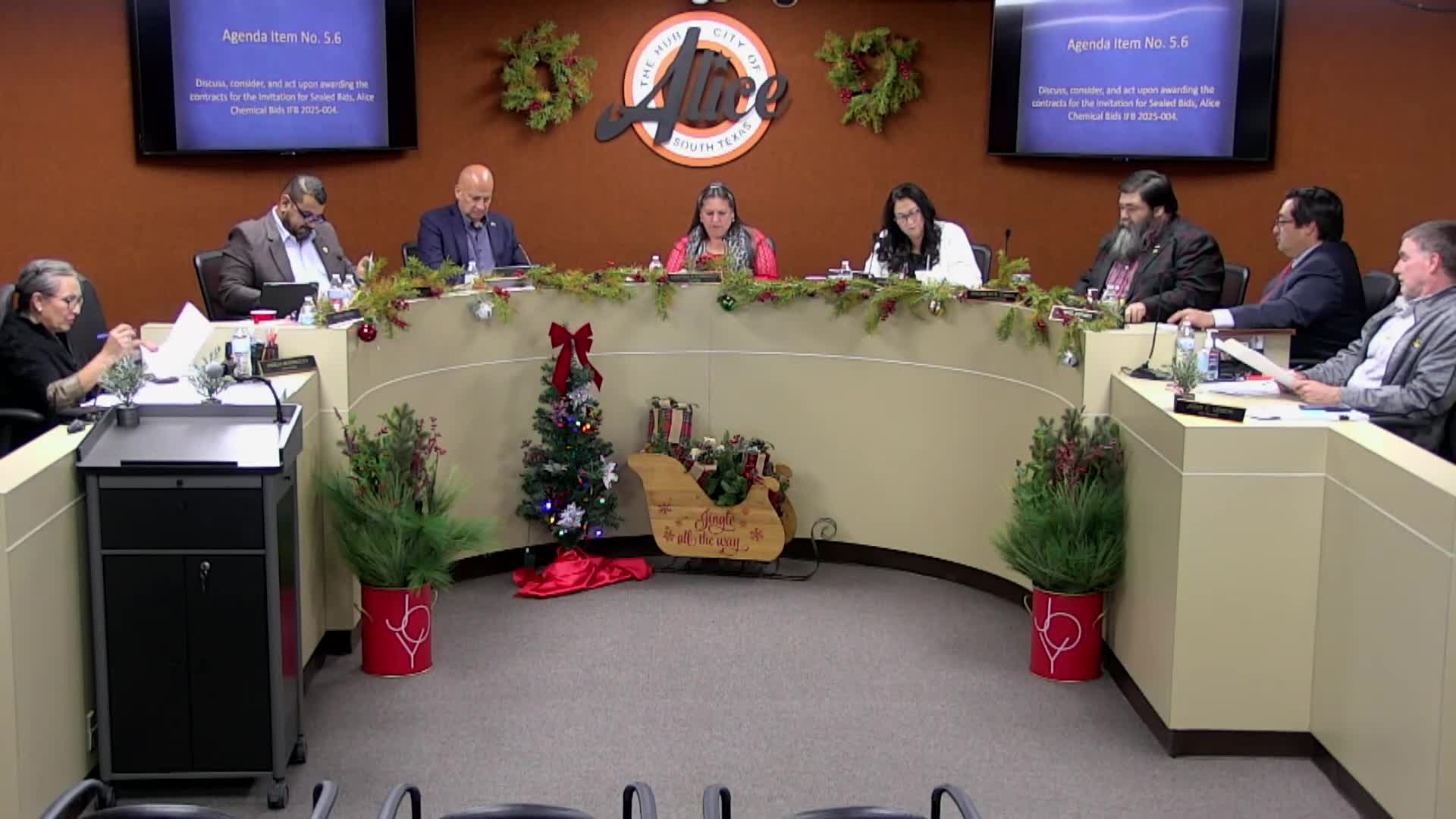
The Jim Wells County Courthouse in Alice functions as the county seat for government operations, housing offices from the County Judge through elections administration. Its public postings, live streamed Commissioners Court meetings and records access matter to residents because they shape local budgets, property tax administration and emergency notifications.

The Jim Wells County Courthouse in Alice is the focal point for county government and a landmark for civic life in the community. The building houses the County Judge office, the County Clerk, the County Treasurer, the Commissioners Court chamber and other administrative offices. It is where Commissioners Court meets, where public records and deeds are maintained, and where elections are administered for Jim Wells County residents.
Public access and transparency are central functions of the courthouse. The county posts agendas, meeting minutes and recorded public notices to the county website, and provides links to live streaming of Commissioners Court meetings. Notices on bidding and requests for proposals appear on the same site, and public notifications include items such as burn bans and emergency registration information. These tools allow residents to follow budget decisions, procurement processes and emergency actions in real time or by review of archived materials.
For everyday transactions the courthouse remains the place to go for voter information, property tax administration and records requests. The County Clerk office manages deeds and records, while the County Treasurer handles county finances. Commissioners Court action determines policy and budget priorities that affect local services, infrastructure and property tax bills, making access to agendas and minutes a direct line to accountability.
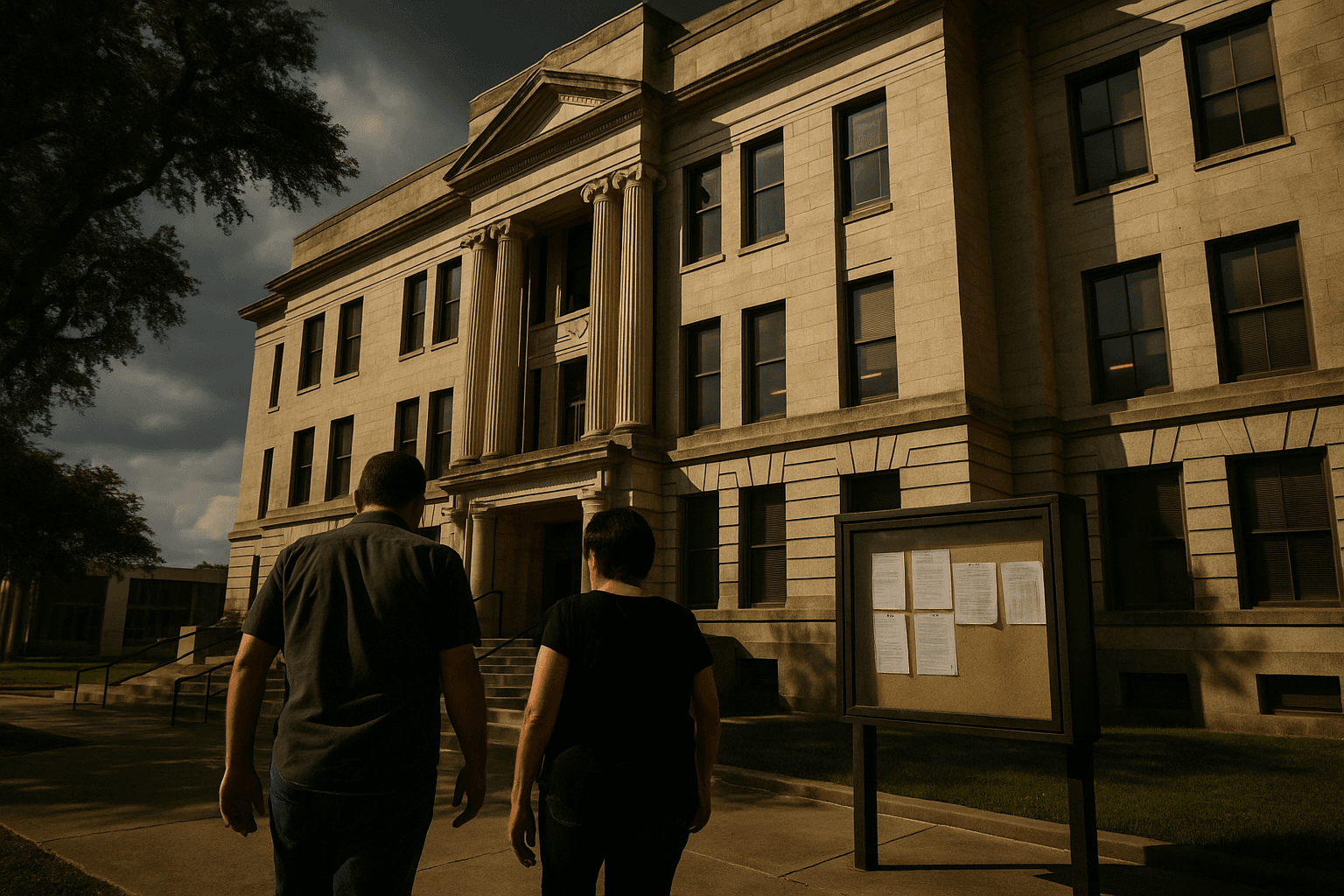
The courthouse and surrounding downtown also include historical markers that reflect the communitys heritage, linking contemporary governance to local history. For residents, that connection underscores the dual role of the courthouse as both an administrative center and a public square for civic engagement.
Maintaining and using the posted documents and streamed meetings is an effective way for residents to monitor decisions that affect taxes, land records and emergency policies. Regular review of agendas and minutes, attendance at meetings or watching live streams, and requests for public records are the primary means for citizens to hold elected officials and administrators accountable at the county level.