Jim Wells County Warns Alice Residents About Jury Duty Scam
The Jim Wells County Sheriff's Office issued an alert on December 3 warning Alice residents about a phone scam that impersonated jury duty or law enforcement notifications and demanded payment through gift cards or money transfers. The advisory matters because the scheme targets civic obligations and can erode trust in public institutions, so residents are urged to verify any such calls by contacting the Sheriff’s Office at its official number.
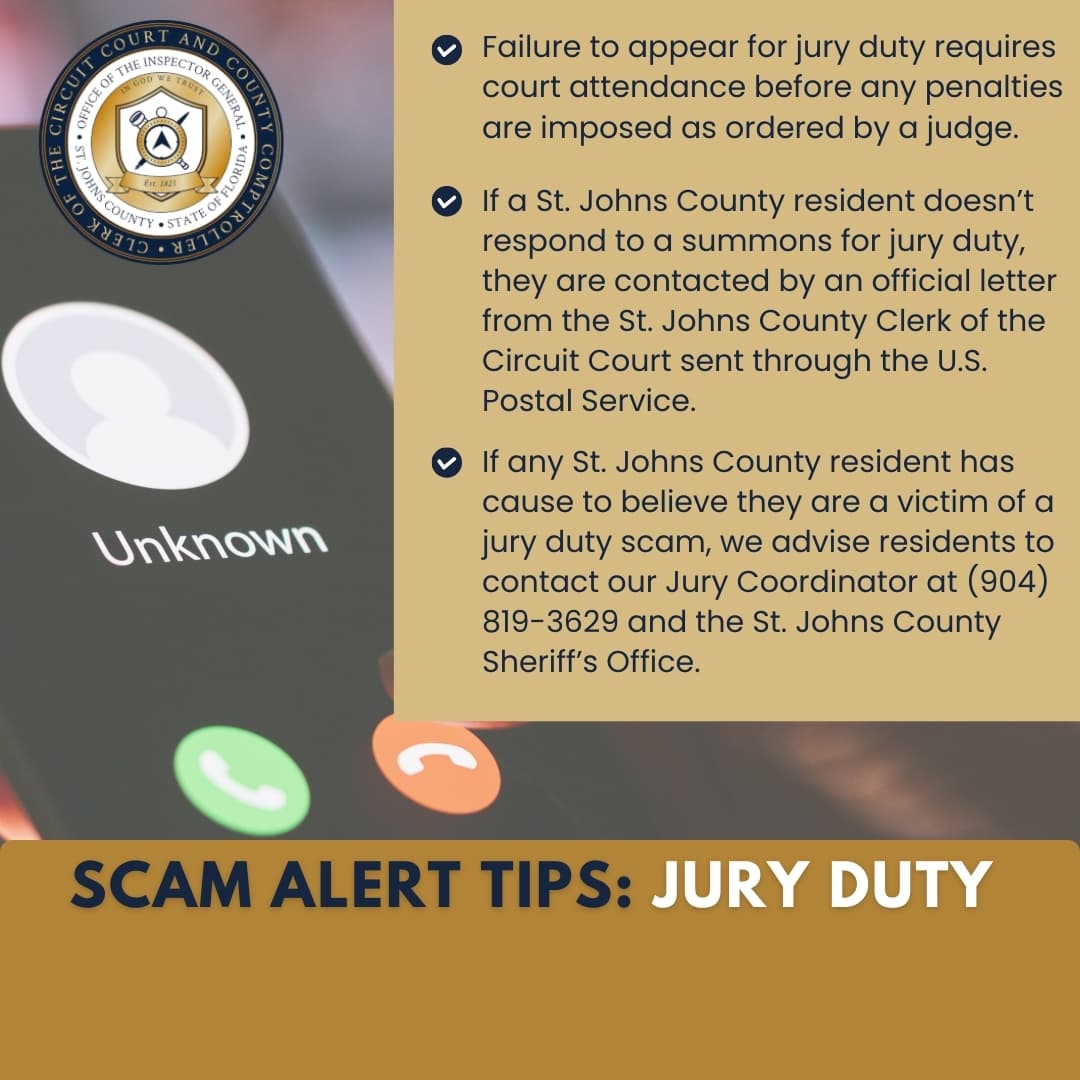
On December 3 the Jim Wells County Sheriff’s Office alerted Alice residents to a phone scam in which callers falsely claim there is an outstanding warrant or missed jury duty and demand immediate payment. The perpetrators have instructed victims to pay with gift cards, money transfers, or other untraceable methods, and have used caller identification manipulation to appear legitimate.
The Sheriff’s Office reminded residents that legitimate law enforcement agencies do not demand payment over the phone and advised anyone who receives such calls to hang up and contact the Sheriff’s Office directly at the official number to verify the claim. The advisory also explained how caller identification can be spoofed to display local numbers or agency names, outlined steps for reporting suspicious calls, and recommended protecting personal information.
The immediate impact for local households is financial and psychological. Residents who receive convincing threats may feel pressured to pay or to disclose sensitive data. The scam targets the mechanics of civic processes, because claims about jury duty and warrants invoke legal obligations and can drive compliance through fear. That dynamic poses broader risks to civic engagement, potentially deterring people from responding to legitimate summonses or from trusting official communications from courts and law enforcement.

Institutional response will matter for restoring confidence. Clear, consistent messaging from the Sheriff’s Office and the county courts can help residents distinguish real notifications from fraud. Coordination with telecommunications providers and state or federal agencies could improve detection of caller identification spoofing and reduce the reach of these operations. At the local level, public education campaigns and routine reminders about how official agencies communicate can reduce victimization.
For now residents should not make payments requested over the phone, should not provide financial information or personal identifiers to unsolicited callers, and should verify any claim by calling the Sheriff’s Office at the official number listed on county records. Reporting attempts helps law enforcement track patterns and protect the community.
Sources:
Know something we missed? Have a correction or additional information?
Submit a Tip