Jon Lindsay, architect of Harris County toll roads, dies at 90
Jon Lindsay, who led Harris County from 1975 to 1995, died Jan. 8 at 90. His work on toll roads, flood land and public hospitals shaped daily travel and services for residents.
Jon Lindsay, the Harris County judge credited with conceiving the county’s toll road system and guiding decades of infrastructure planning, died Jan. 8 at age 90. Lindsay’s two decades in office, from 1975 to 1995, left a physical legacy on traffic patterns, flood mitigation strategy, and public institutions that remains central to life in Harris County.
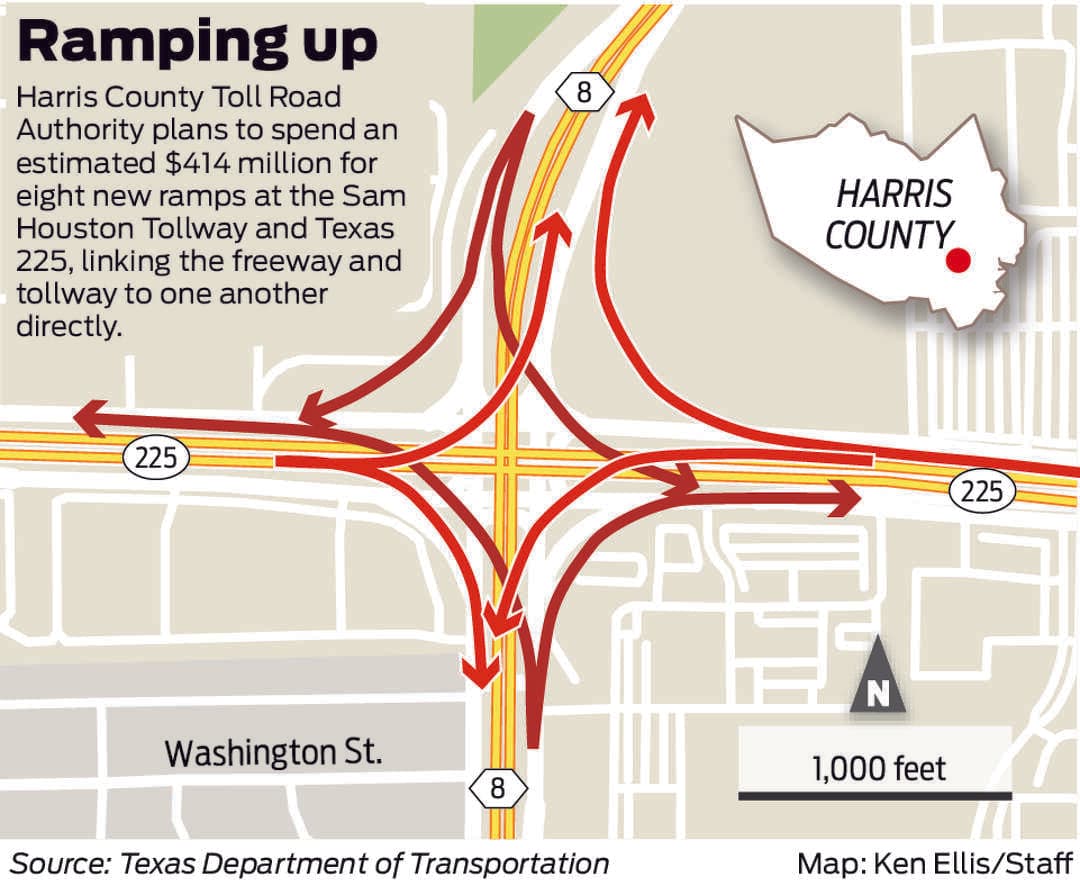
Lindsay is widely associated with creating the Harris County Toll Road Authority and with early construction of the Sam Houston Tollway, known locally as Beltway 8. Those projects shifted how Houston-area commuters move around the region, enabling rapid suburban growth and changing development patterns along the toll corridors. The toll road framework also provided a funding model that allowed the county to pursue long-range transportation improvements without relying solely on federal or state dollars.
Beyond road-building, Lindsay’s administration moved aggressively to acquire land for flood control and parks, a policy that shaped later mitigation efforts and green-space planning across the county. Investments in public institutions, including support for Ben Taub Hospital, reflected a broader philosophy of pairing transportation and environmental planning with public health and civic amenities.
Colleagues and successors in county government have pointed to Lindsay’s forward-looking approach and civic influence, while also acknowledging controversies that surfaced late in his career. Those debates are part of the fuller picture of a leader whose decisions accelerated development and steered public resources toward large-scale projects that continue to carry fiscal, environmental, and social consequences for residents.

For Harris County commuters, the immediate legacy is tangible: the toll lanes and beltway connections that many depend on for work and commerce. For homeowners and neighborhoods near bayous and detention areas, Lindsay’s land purchases for flood control influenced which parcels were preserved and which were developed. For patients and staff at public hospitals, county investment choices helped sustain critical health services during periods of population growth.
Lindsay remained active in civic life after leaving elected office, maintaining ties to local planning and philanthropic efforts that persisted into his later years. His death closes a chapter in the county’s postwar governance—an era of bold infrastructure bets that continue to define mobility, growth, and resilience in Harris County.
The takeaway? Infrastructure choices have long tails. Check your property’s flood history, watch county meetings about maintenance and toll policy, and weigh future projects against both traffic relief and neighborhood impact. Those practical steps help turn big-picture legacy into day-to-day preparedness.
Sources:
Know something we missed? Have a correction or additional information?
Submit a Tip