Kauaʻi Community College Orchestra Draws Community to Free Winter Concert
Kauaʻi Community College’s Symphony Orchestra held its 2025 Winter Concert at the KCC Performing Arts Center on December 7, offering a free, family friendly program that brought student musicians and community players together. The event underscored the college’s role in expanding public access to the arts, and highlighted considerations for local arts funding and civic engagement.
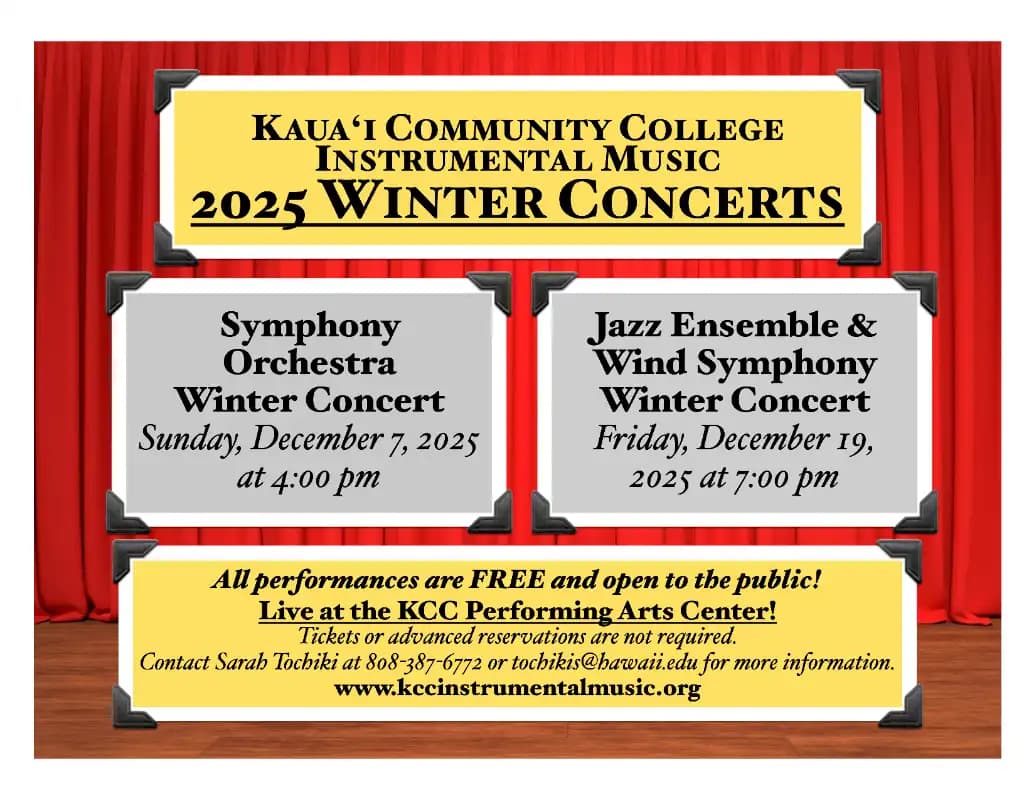
Kauaʻi Community College’s Symphony Orchestra presented its 2025 Winter Concert at the KCC Performing Arts Center on December 7. Doors opened at 3:30 p.m., and the concert began at 4:00 p.m. The family friendly program mixed classical repertoire and seasonal pieces, with highlights that included Haydn’s Symphony No. 100, selections from Tchaikovsky’s Nutcracker, Disney’s Steamboat Willie, and an overture to Miracle on 34th Street. Admission was free, with no tickets or advanced reservations required, and the performance featured community musicians alongside student performers.
The concert delivered immediate public benefits by making live orchestral music accessible to residents who might face cost or travel barriers. Bringing community musicians into the ensemble also strengthened informal mentorship pathways for students and reinforced ties between the college and local cultural networks. For a county that measures civic participation in many forums, free arts programming functions as both cultural service and civic outreach.
Institutionally, the event highlights Kauaʻi Community College’s dual mission in education and community service. By offering a no cost performance on a weekend afternoon, the college used campus facilities to broaden public engagement with the arts while providing students with practical ensemble experience. Those operational choices carry budgetary implications for administrators and for policymakers who allocate public support to cultural services.
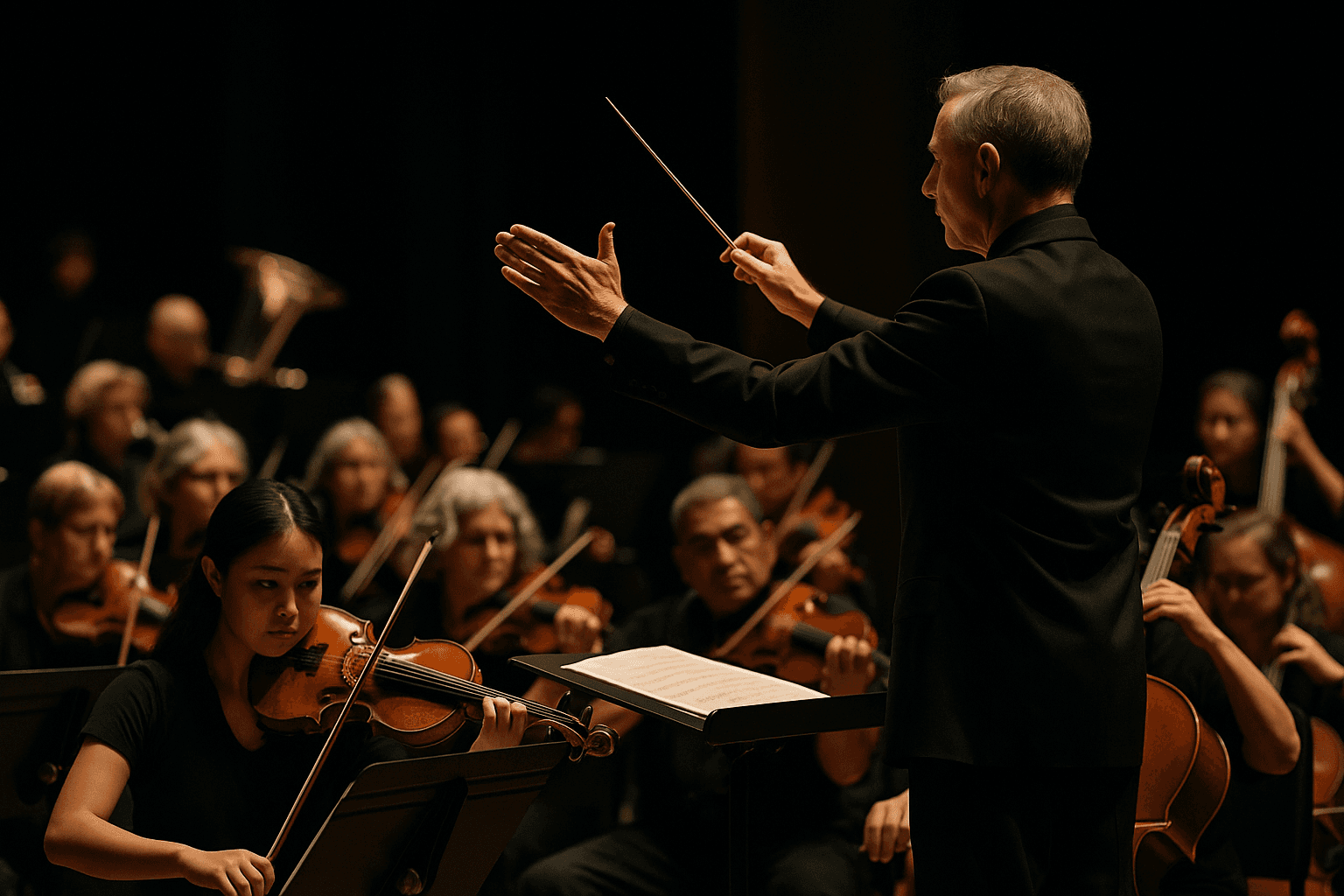
At the county level, the concert is a reminder for elected officials and budget planners to account for community driven arts activity when setting funding priorities. Attendance patterns at accessible public events can inform decisions about sustaining program capacity, facility maintenance, and outreach to underrepresented neighborhoods. Local arts programs that reduce economic barriers also intersect with broader civic goals, including community cohesion and youth development.
Kauaʻi Community College’s performing arts program provided contact and accessibility information for attendees and residents seeking further details. The model demonstrated on December 7 offers a practical example of how public institutions can pair educational objectives with community access, and it gives county leaders measurable outcomes to consider when evaluating arts and culture investments.