Kaua‘i Woman Sentenced in Federal Trans-Pacific Meth Trafficking Case
A Kaua‘i resident, Trish Leila Henderson, was sentenced to three years in federal prison and five years of supervised release after pleading guilty to possessing methamphetamine with intent to distribute. The case is part of a larger trans-Pacific trafficking conspiracy that produced significant seizures of methamphetamine, fentanyl, firearms and cash, raising concerns about public safety and international smuggling routes affecting the islands.

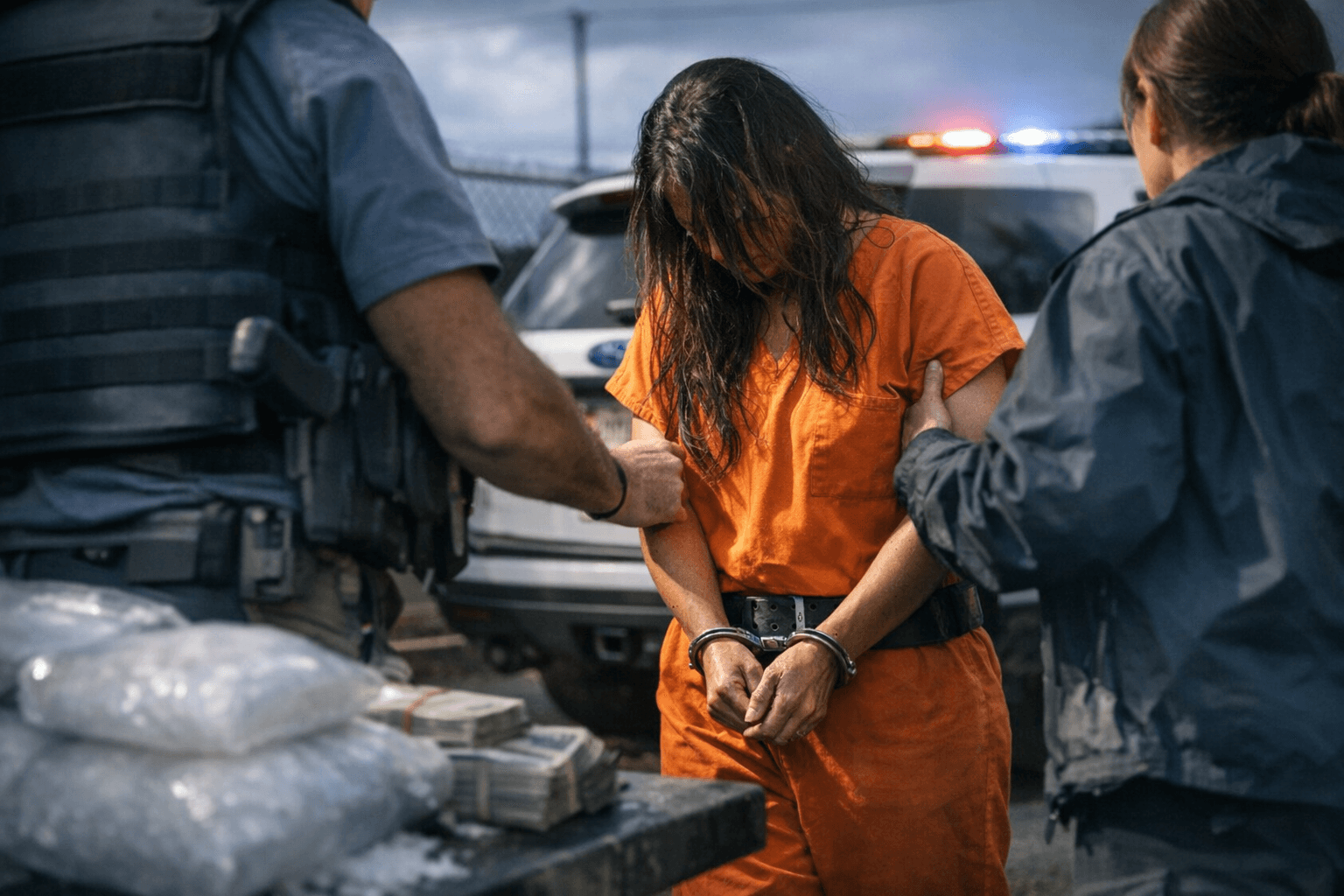
On January 9, 2026, a federal court imposed a three-year prison term and five years of supervised release on 46-year-old Trish Leila Henderson of Kaua‘i after she pleaded guilty to possession of methamphetamine with intent to distribute. Court records attribute responsibility for more than 22 pounds of methamphetamine to Henderson as part of a broader trans-Pacific trafficking conspiracy.
Federal investigators described the probe as expansive. Seizures tied to the investigation exceeded 150 pounds of methamphetamine and included several kilograms of fentanyl and carfentanil, eight firearms, ammunition, and more than $150,000 in cash. Henderson was one of 11 defendants charged across three related indictments; nine defendants have pleaded guilty to charges in those cases and Henderson became the third to be sentenced.
The prosecutions and seizures underscore growing law enforcement attention to supply chains that bring illicit drugs into Hawaii from across the Pacific. For Kaua‘i residents, the case highlights persistent public safety and public health risks, including the potential for meth supplies to be mixed with potent synthetic opioids such as fentanyl and carfentanil, which elevate the risk of overdose in communities already dealing with substance-use challenges.
Beyond the immediate criminal penalties, Henderson’s sentence carries implications for local courts, probation services and social services tasked with supervising and supporting individuals returning to the community under supervised release. Supervision terms are intended to reduce recidivism and monitor compliance, but they also require coordination between federal probation officers and local service providers to address addiction treatment and reintegration needs.
The investigation’s trans-Pacific scope points to international dimensions of the illicit drug trade that affect island communities disproportionately. Disrupting these networks requires cooperation among federal, state and local agencies and, often, international partners. For Kaua‘i, continued federal involvement signals a sustained focus on intercepting large shipments before they reach consumers, while community groups and health agencies must continue efforts on prevention, treatment and harm reduction.
As the remaining defendants move through the federal courts, local authorities and residents will be watching for further developments and for how recovered assets and evidence shape future prosecutions. The case serves as a reminder of the complex interplay between global trafficking networks and local public safety on Kaua‘i.
Sources:
Know something we missed? Have a correction or additional information?
Submit a Tip