Keycap Choices Matter, Practical Guide for Keyboard Builders
Selecting the right keycaps changes how a keyboard sounds, feels, and wears over time. This practical guide breaks down material, thickness, profile, compatibility, and maintenance so you can match keycaps to your priorities before committing to a set.
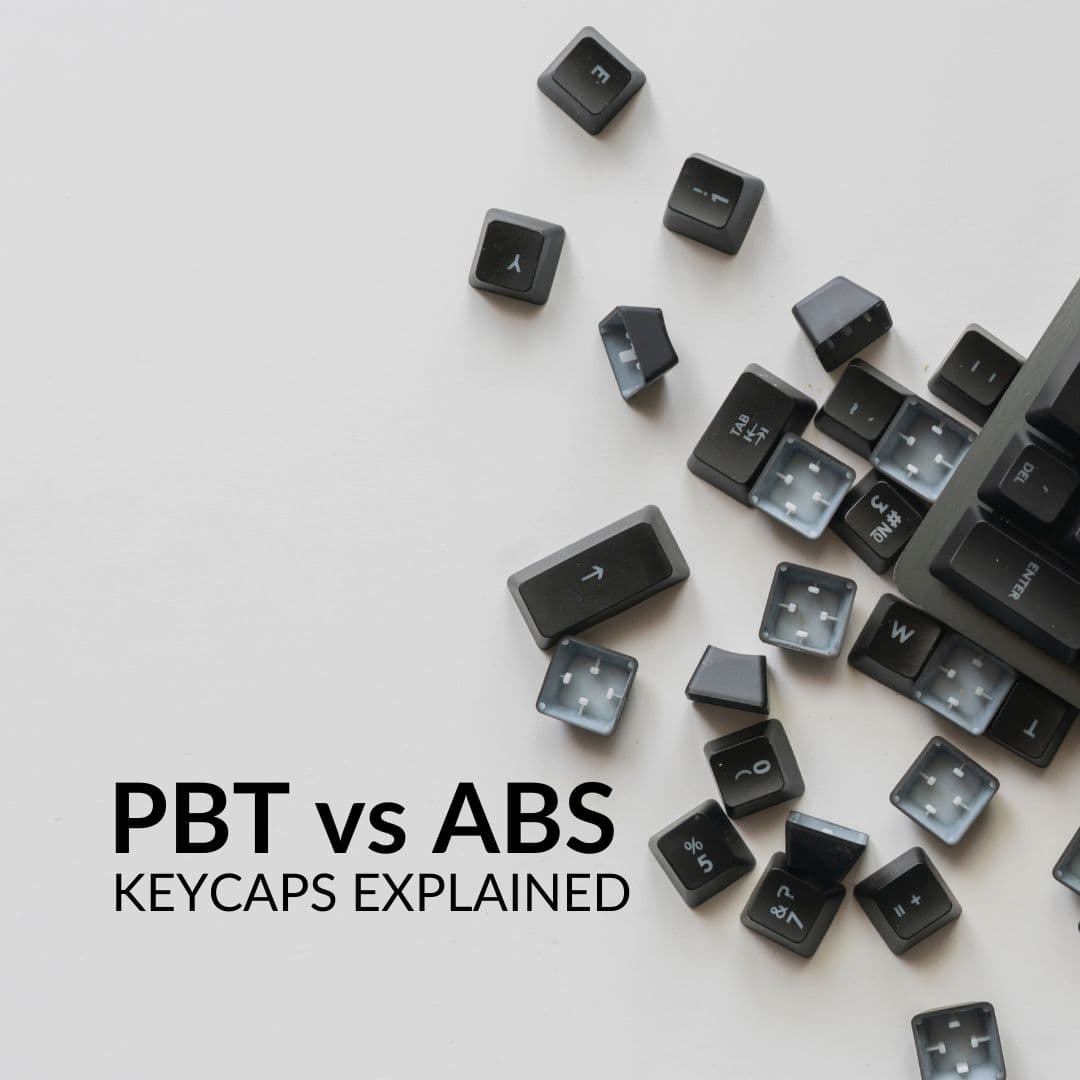
Keycap material and profile are among the most consequential choices when building a custom keyboard. They shape tactile feel, acoustic character, visual clarity, and long term wear. Understanding the trade offs makes group buys and expensive sets less risky, and helps you build toward a desired sound and daily driver performance.
Start with material. ABS tends to be smoother and produces brighter looking legends. High quality doubleshot ABS preserves legend sharpness indefinitely, and many GMK doubleshot ABS sets are prized for their texture and crisp legends. That same ABS surface will develop shine over time from finger oils and abrasion. PBT offers a grippier, more matte texture and resists shine and oiling. PBT that is dye sublimated often yields muted but durable legends, though color fidelity and legend contrast can differ from doubleshot ABS.
Thickness is a simple acoustic lever. Thicker caps such as 1.5mm GMK ABS or thick PBT add solidity and produce a deeper, fuller acoustic signature. Thin caps deliver a higher, brighter sound and feel lighter under the fingers. If you want a thocky build, pair thicker ABS caps with dense plate and case foam and a heavier case to maximize low frequency resonance.
Profile affects row feel and finger travel. CYL describes cylindrical sculpted rows used by GMK CYL sets, providing a modern ergonomic curvature. Cherry profile is lower and sculpted, favored by many typists for compact travel and smooth row transitions. OEM, SA, MT3, and OSA each have distinct height and sculpt characteristics, so try to sample profiles before committing.
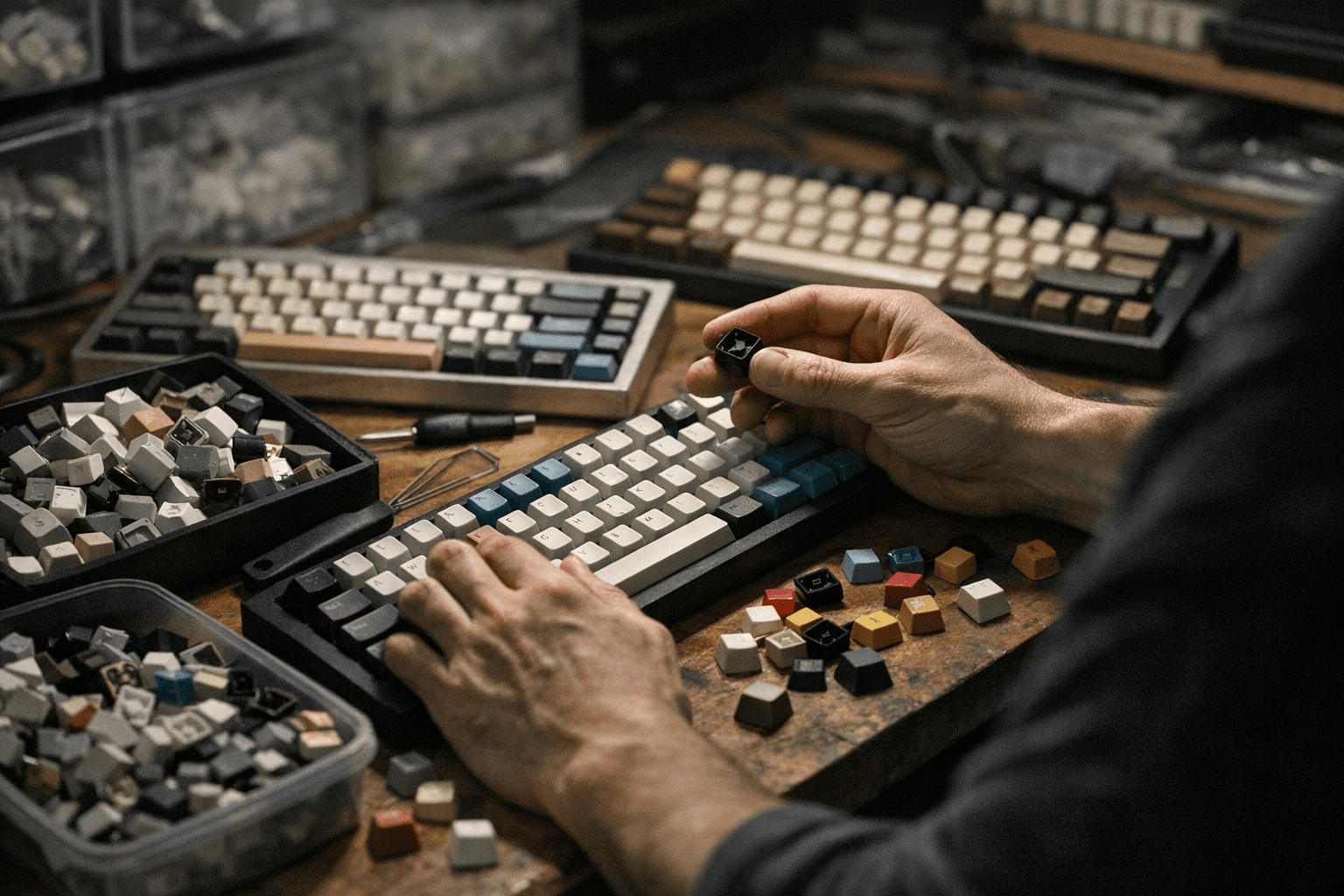
Check layout and compatibility carefully. Verify that legend sets support your layout whether 40 percent, 60 percent, 65 percent, tenkeyless, 96 percent, or full size. Confirm support for ISO or ANSI, numpad keys, split spacebars and smaller keys such as a 1.5u right shift. International and child kits may be required for language specific legends.
Practical buying steps reduce regret. For durability choose PBT or doubleshot ABS. Use vendor previews, in person meetups, and swap groups to test feel and sound before a group buy. If you have a hot swap board, try a single novelty or a sample set first. Maintain caps by cleaning periodically with a soft brush and mild soapy water, removing switches or the keycaps from the board first.
Match material and profile to priorities. Prioritize sound and feel for a themed build, or prioritize longevity if you type all day. Sampling before committing saves money and keeps your keyboard both personal and practical.
Know something we missed? Have a correction or additional information?
Submit a Tip