King Tides Provide Real World Preview of Rising Seas for Humboldt County
Unusually high astronomical tides that arrived the week of December 4 through 6, peaking on December 5, produced roadway and beach flooding, stronger estuary intrusion, and erosion around Humboldt Bay. The event underlines NASA and local science findings that Humboldt Bay is among the fastest relative sea level rise hotspots on the West Coast, and it highlights urgent needs for nature based planning, infrastructure funding, and community participation.
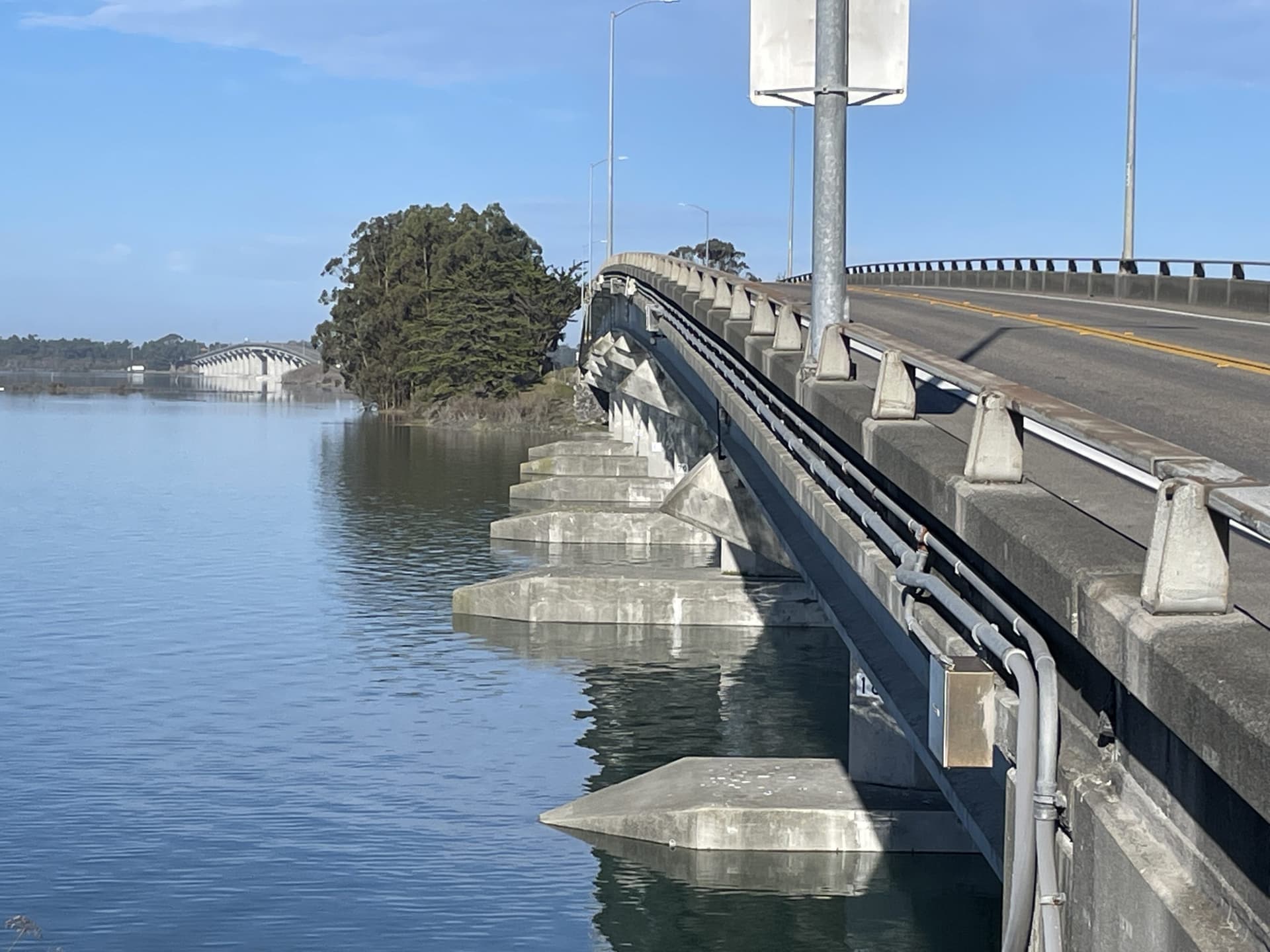
On December 5 the coast experienced one of the seasonal King Tides that regularly push water beyond typical high tide lines, but this week the surge served as a stark preview of coastal change to come. Residents and emergency crews reported flooding of low lying roadways and shoreline access areas, visible erosion at several beaches, and deeper intrusion of salt water into estuaries that support local fisheries and marshes. The event arrived during a three day window of elevated tides from December 4 through 6, making impacts more widespread than a single high tide would have.
King Tides are predictable astronomical events, but scientists say their local effects are amplified by long term sea level rise. Recent NASA Jet Propulsion Laboratory research together with local sea level monitoring place the Humboldt Bay area among the fastest rising relative sea level hotspots on the West Coast. That combination of regional uplift and global sea level rise means high water events that once were rare will become more frequent and more damaging in coming decades.
The immediate consequences are practical and economic. Flooded roads and compromised beach access disrupt daily commutes and the tourism economy. Salt water intrusion threatens wetlands and could increase corrosion and operating risks for wastewater plants and other coastal infrastructure. Low lying neighborhoods face recurring nuisance flooding that can depress property values and raise insurance costs. Municipal budgets may face growing pressure to repair and elevate roads, protect or relocate utilities, and invest in nature based solutions such as marsh restoration and living shorelines.
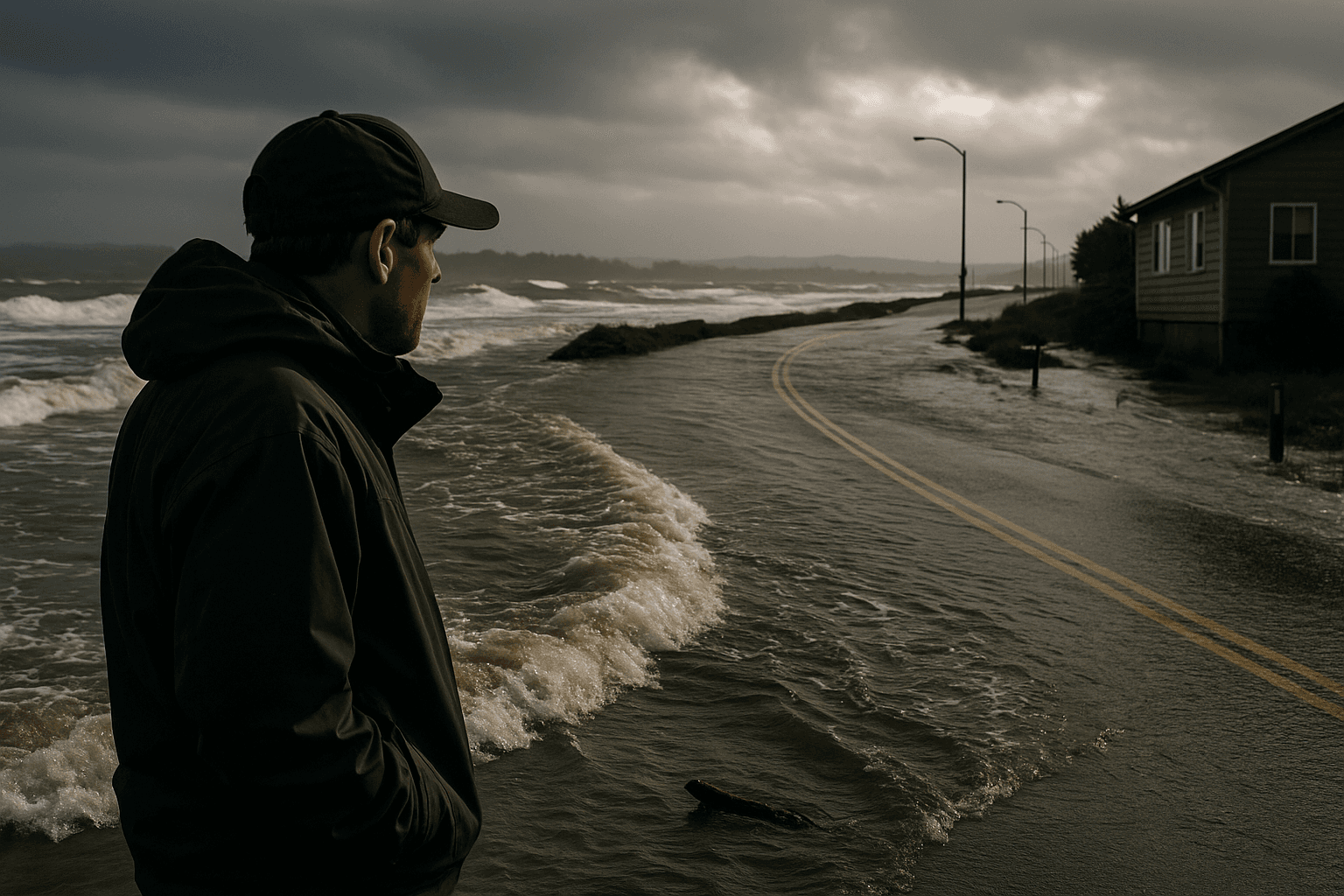
Local governments and tribal partners are already engaged in adaptation work. The Wiyot Tribe is pursuing coastal restoration and resilience projects designed to reduce erosion and restore estuary health. Community groups are organizing monitoring and restoration efforts. Residents can contribute by documenting high water with dated photos, reporting flooding to local authorities, and volunteering with restoration organizations to support habitat projects that buffer the coast.
As King Tides evolve from rare previews to routine hazards, Humboldt County will need coordinated planning, sustained funding, and nature based strategies to reduce risks to infrastructure and livelihoods. The December event makes clear that preparedness and investment are no longer optional, they are essential for protecting communities along the bay and shoreline.