Kruger National Park closes to day visitors after rivers burst banks
South Africa closed Kruger to day visitors after rivers burst their banks; lodges remain open while helicopters and the military assist evacuations.
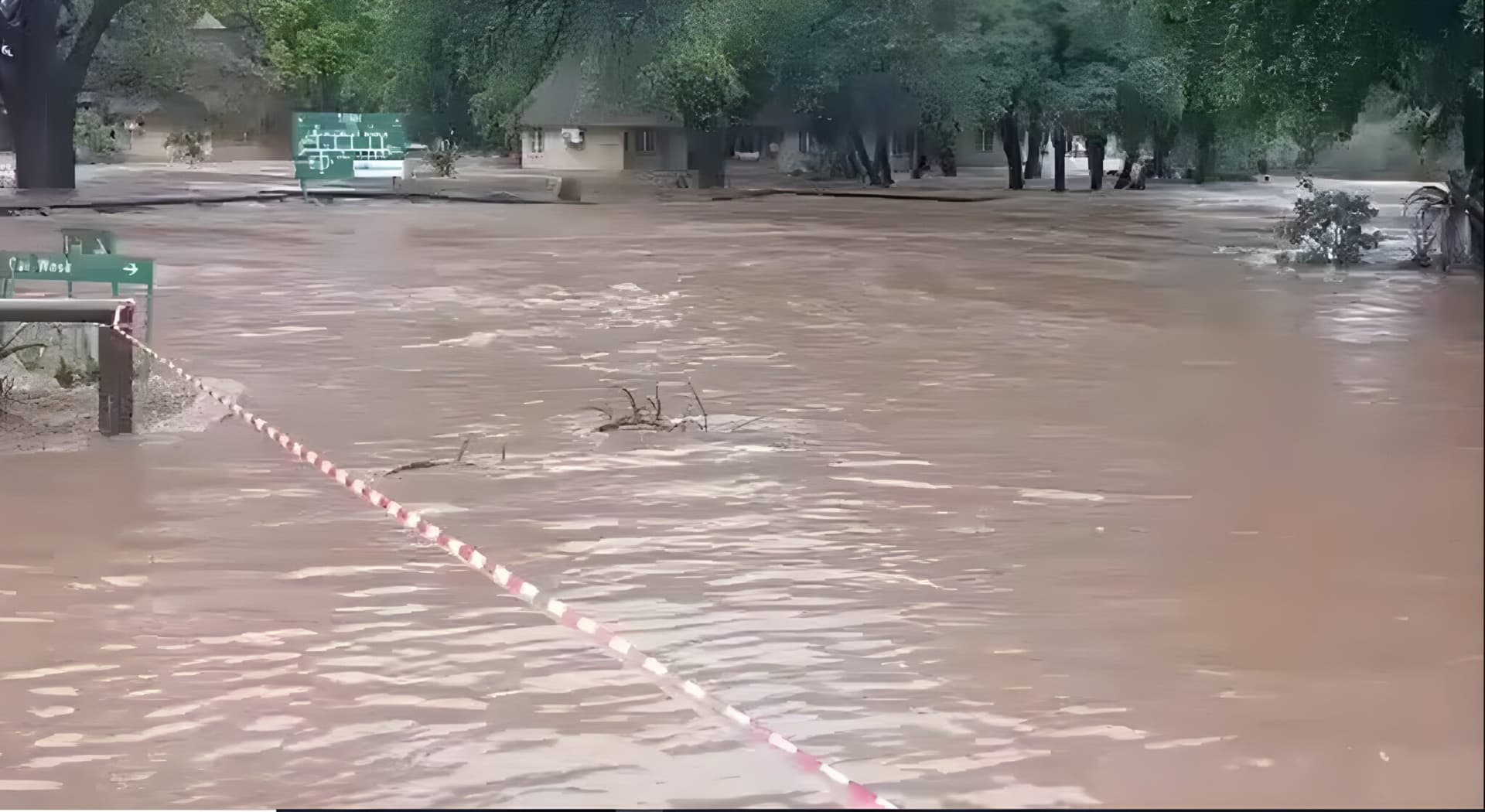
South African authorities shut Kruger National Park to day visitors on Jan. 15 after rivers that run through the reserve burst their banks following days of heavy rain. South African National Parks described the measure as precautionary and said the initial closure would last 24 hours while conditions were monitored, with extensions possible as the situation evolved.
Several of the park’s nine entrances were rendered unsafe by flooding, and management closed gates where roads were impassable. Officials identified the Phalaborwa gate near Kruger airport among those temporarily shut. Park managers said paved tar roads were generally the only routes considered safe; many gravel roads, internal tracks and bridges were cut off. In one operational briefing, staff said Skukuza had been isolated from Chwan and Lower Sabi by swollen streams and damaged secondary roads.
Tourists already staying in lodges inside the park were largely permitted to remain in place, but areas around the Letaba River were evacuated after camps were inundated. Park managers moved some staff and guests by helicopter when a camp flooded, and the South African National Defence Force deployed helicopters and other aircraft to assist wider regional evacuations and relief efforts. Smaller bush camps and remote trail camps were closed as a precaution while larger southern camps including Skukuza, Pretoriuskop, Crocodile Bridge and Malelane remained open at the time but with limited access.
On-the-ground footage showed vast tracts of Kruger submerged, with only treetops visible above fast-flowing water and hippos navigating the swollen channels. At the scene, Kruger spokesperson Reynold Thakhuli said, “This water’s moving very fast,” adding that authorities would “close it for 24 hours and monitor what is happening.” He and other officials emphasized they were “not really worried about the animals,” noting that wildlife often move to higher ground during flooding.
Park management appealed directly to guests to respect barricades, no-entry signs and road closures and warned against attempting to cross flooded bridges or rivers. A recorded spokesperson urged visitors not to remove logs, rocks or other barriers placed across roads and to exercise caution while movement inside the park remained restricted.

The South African Weather Service issued its highest warning level for parts of the northern region, forecasting between 100 and 200 millimeters of rain over the following 48 hours and describing the event as unusually intense. Authorities said the heavy rains began in December and that floodwaters had already destroyed roads and infrastructure across Mpumalanga and Limpopo provinces.
The flooding has had a significant human toll. Provincial reporting and emergency briefings indicated at least 19 people had died in Mpumalanga and Limpopo since last month. President Cyril Ramaphosa visited Limpopo on Jan. 15 as search-and-rescue teams and the military assisted residents stranded by high water, coordinating evacuations and relief logistics.
Park officials said the closure was temporary and subject to daily review as weather forecasts and ground teams assessed access and safety. Visitors and travel operators were advised to check directly with South African National Parks for gate and camp status before planning travel, as rapid changes to conditions and infrastructure could affect access across the reserve.
Sources:
Know something we missed? Have a correction or additional information?
Submit a Tip

