Labor Department Guidance Clarifies Pumping Rights for McDonald's Workers
The Department of Labor has released evergreen guidance summarizing employer responsibilities under the Fair Labor Standards Act as amended by the PUMP Act, clarifying break time and space requirements for employees who express breast milk. The guidance matters for McDonald’s restaurants and franchise operations nationwide because it lays out when pumping time must be paid and offers practical steps employers can take to comply.
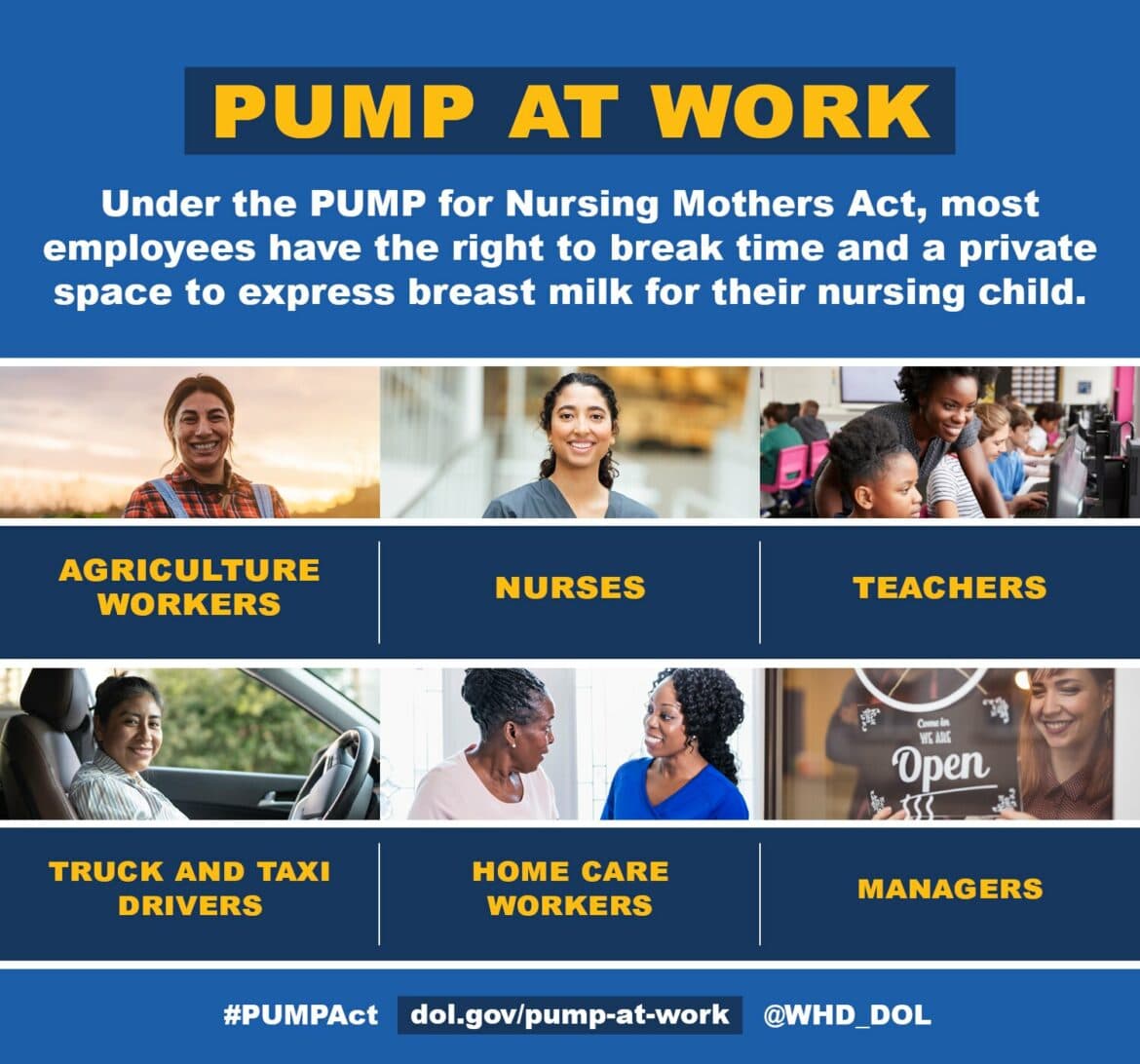
The Labor Department guidance summarizes what covered employers must provide to employees who need time to express breast milk at work. Employers must provide reasonable break time, and a private non bathroom space that is shielded from view and free from intrusion, for up to one year after the child is born. Employers must allow pumping breaks as often as needed during that period. Under the law, pumping time must be paid if the employee is not completely relieved of duty.
For McDonald’s restaurants and their franchise operators this guidance is a timely operational playbook. Many locations are compact and staffed on tight schedules, which can create friction between production demands and the legal requirement to allow frequent private breaks. The paid time provision has implications for scheduling and labor costs when employees are required to remain on duty or perform some tasks while also taking pumping breaks.
The Department of Labor materials include practical examples, frequently asked questions, and sample steps employers can take to comply. Those resources are intended to help employers identify suitable private spaces, ensure those spaces are not bathrooms, and develop policies that prevent intrusion. They also provide examples that can inform training for managers and shift supervisors who must balance service traffic with employee needs.
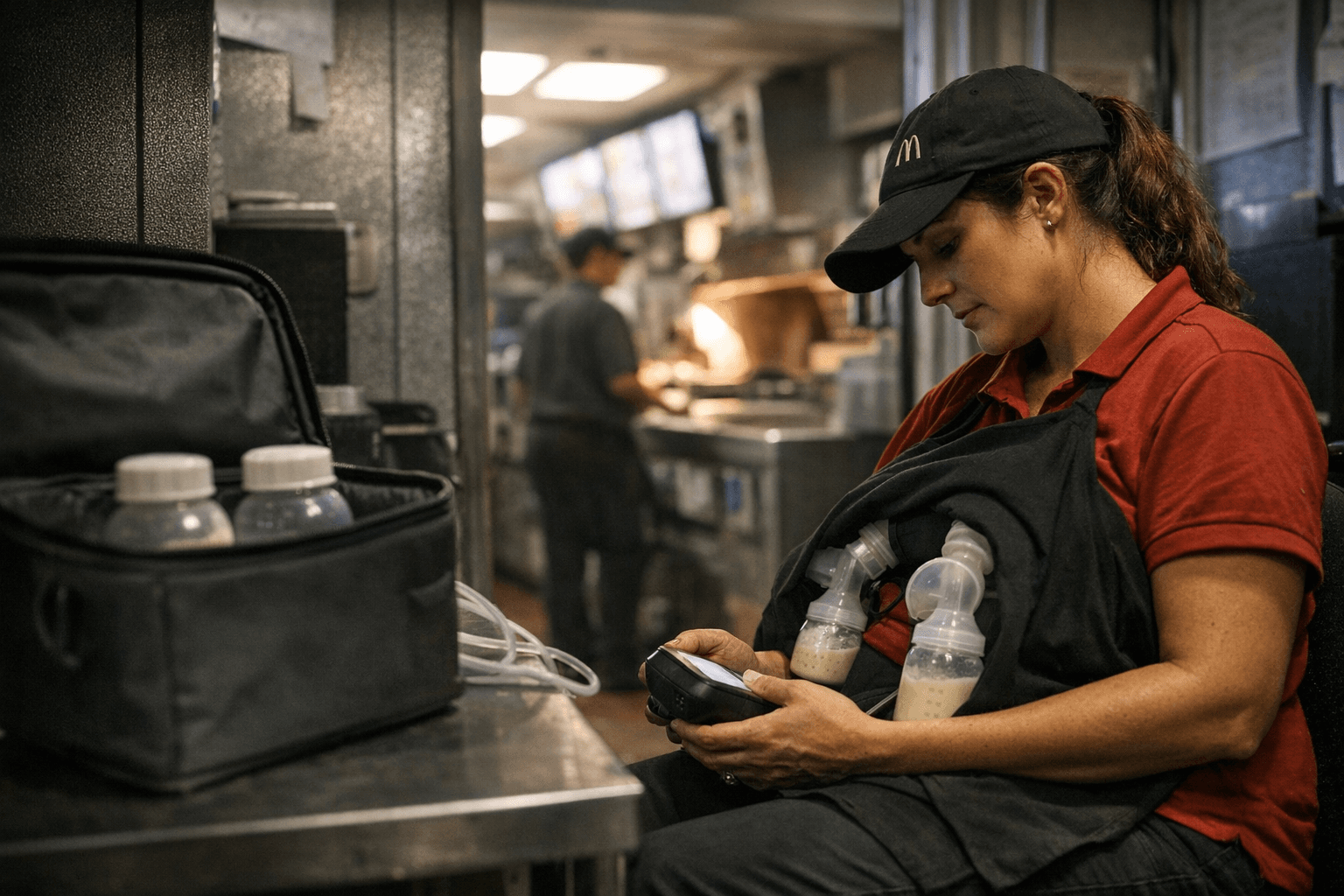
For workers, the guidance reinforces rights that affect privacy, pay, and scheduling. Employees at McDonald’s who are breastfeeding or expressing milk can request reasonable break time and a private space for up to one year after childbirth, and they may be entitled to paid time when not fully relieved of duty. State or local laws may provide greater protections, so local rules can expand these baseline rights.
The guidance also highlights the practical steps employers can take to reduce conflict, such as identifying an appropriate room, communicating policies to staff, and adjusting shift coverage. For a franchise system with many independent owners, consistent implementation will depend on corporate leadership, franchisee training, and on the ground problem solving to ensure employees can exercise their rights without jeopardizing service or safety.
Sources:
Know something we missed? Have a correction or additional information?
Submit a Tip