Langley Council Approves Utility Rate Increases, Residents Face Higher Bills
Langley City Council voted unanimously on December 5 to raise water rates by 5 percent, sewer rates by 4 percent and stormwater rates by 3 percent to cover rising operations costs, loan repayments and deferred maintenance. The increases will raise base utility charges for typical residential customers by several dollars per month and by small tens of dollars per year, a change city leaders say is necessary to preserve infrastructure and meet financial obligations.
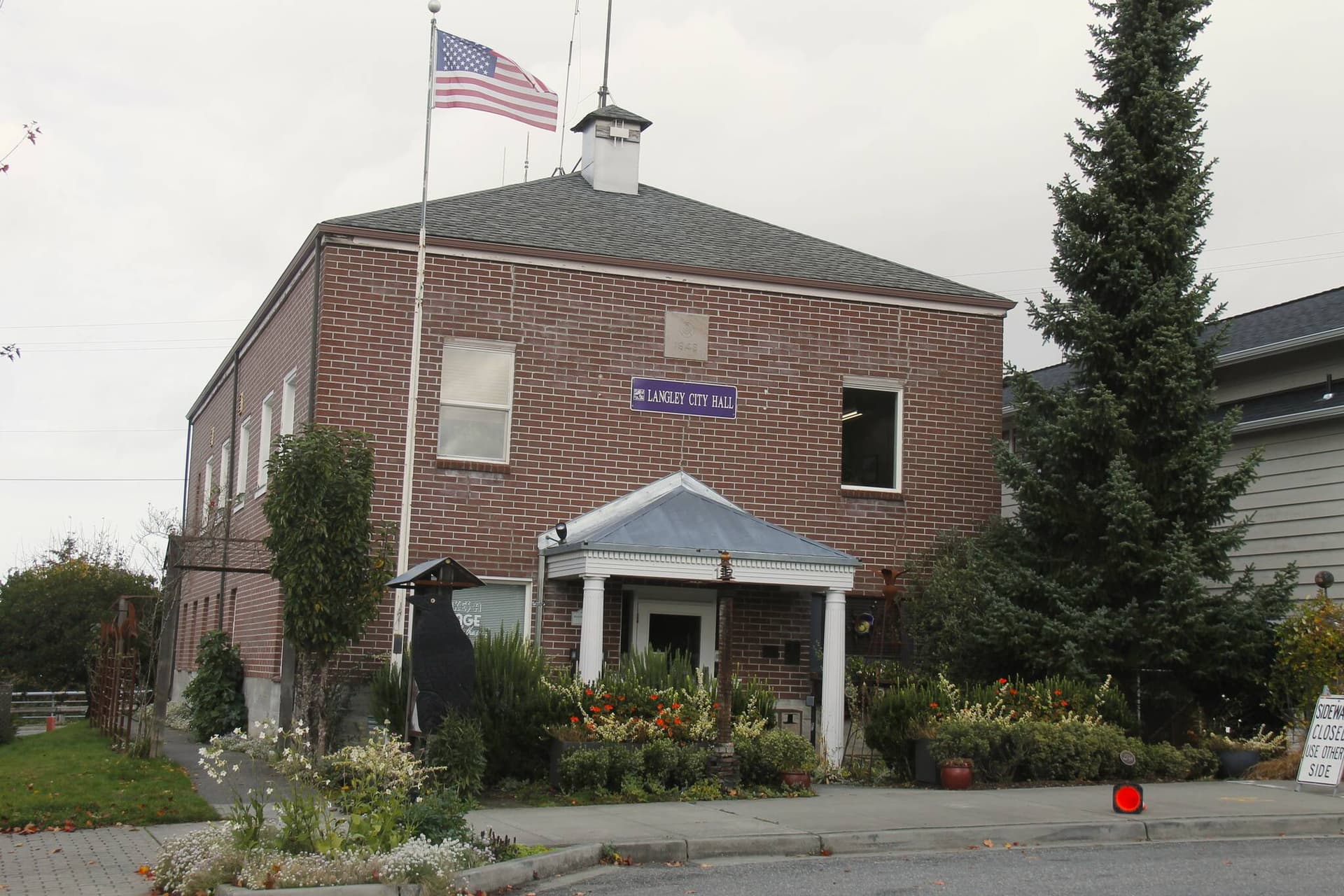
On December 5 the Langley City Council unanimously approved increases to municipal utility rates, applying a 5 percent increase to water, a 4 percent increase to sewer and a 3 percent increase to stormwater charges. Council members and city staff framed the action as a fiscal adjustment needed to keep pace with inflation and to fund both capital and ongoing operational needs.
City staff told the council that the rate adjustments are driven in part by loan repayment obligations tied to past and planned infrastructure projects, as well as by deferred maintenance and higher day to day operating costs. Those fiscal drivers, officials said, required a measured increase in charges rather than deeper cuts to services. The council discussed the political difficulty of approving any increase to household bills but moved unanimously to adopt the adjustments.
For typical residential accounts the changes translate into modest increases in base fees. Staff presented the impact as a rise of several dollars per month for a typical household, amounting to increases measured in the low tens of dollars over the course of a year. The council stressed that the revenue is intended to sustain water quality, sewer reliability and stormwater management capacity, and to avoid larger, more sudden hikes in the future by keeping up with maintenance and debt service now.

The decision affects all customers billed under the city utility rates, with the added revenue earmarked for capital projects and routine system upkeep. For residents on fixed incomes and for households that manage tight monthly budgets, even modest utility increases can be consequential. The council and staff acknowledged this trade off and indicated they will continue to monitor costs, pursue grant funding when available and evaluate long term rate structures so that charges align with service levels and fiscal responsibility.
The council vote concludes the current rate setting cycle, and the increases will take effect according to the city billing schedule. Residents with questions about how the new rates will affect individual accounts are encouraged to contact city utility staff for account specific information and payment options.