Late Surge Seals USC Victory, Oregon Falls 82 77 at Home
USC pulled away late at Matthew Knight Arena to beat the Oregon Ducks 82 77 on Dec. 2, a tight game that featured standout performances from Chad Baker Mazara and Kwame Evans Jr. The result and the visuals captured during the game matter to local residents because large college events shape downtown business activity, campus life, and public health planning during the winter season.
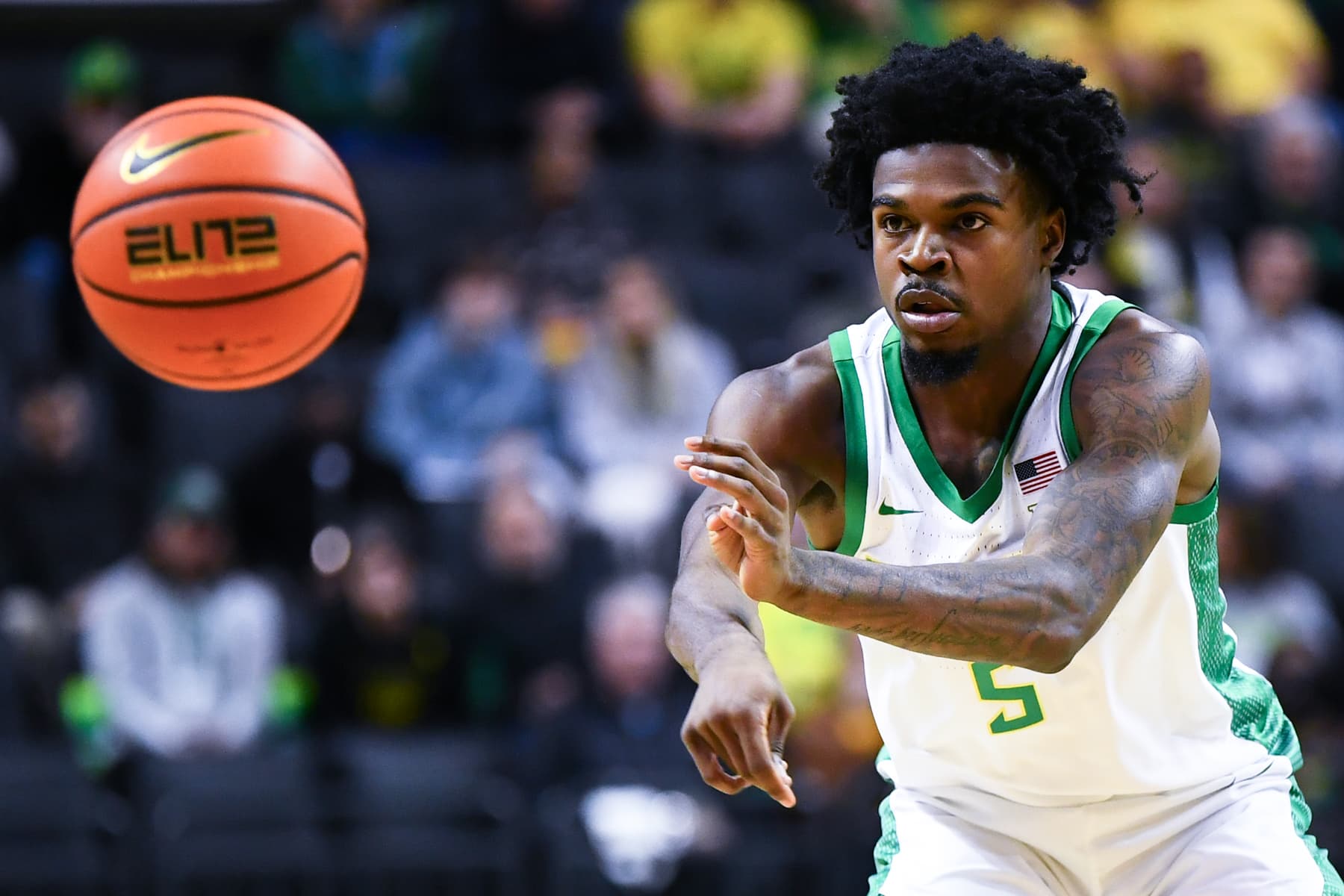
Oregon kept pace with No. 24 USC through much of the matchup at Matthew Knight Arena before USC opened a late gap to secure an 82 77 victory. USC guard Chad Baker Mazara led all scorers with 25 points while Oregon forward Kwame Evans Jr. finished with 23, providing the backbone of a competitive contest that featured several momentum shifts late in the second half. Photographers documented the game in high resolution, capturing action photos and sideline images that conveyed both the intensity on the court and the charged atmosphere inside the arena. The images were shot by Isaac Wasserman of Lookout and accompanied a brief game write up highlighting the key plays.
For Eugene and the broader Lane County community, the game was more than a scoreboard entry. Home games bring students, families, and visitors to campus and to nearby businesses, supporting restaurants, transit services, and hospitality workers. They also concentrate large groups indoors during early December, a period when respiratory illnesses typically rise. That pattern raises public health considerations for the university and county public health authorities, including the importance of clear messaging about staying home when sick, access to testing and vaccination, and coordination with emergency medical services to ensure timely care for attendees.
The evening also underlined questions about equity and access. Ticket prices, transportation costs, and physical accessibility shape who can participate in the shared cultural life of college athletics. Student athletes face demanding schedules and travel that have implications for physical and mental health. Local leaders and campus administrators may use games like this as a reminder to prioritize healthcare supports for athletes and to expand community access to events through inclusive pricing, accessible seating, and reliable public transit.
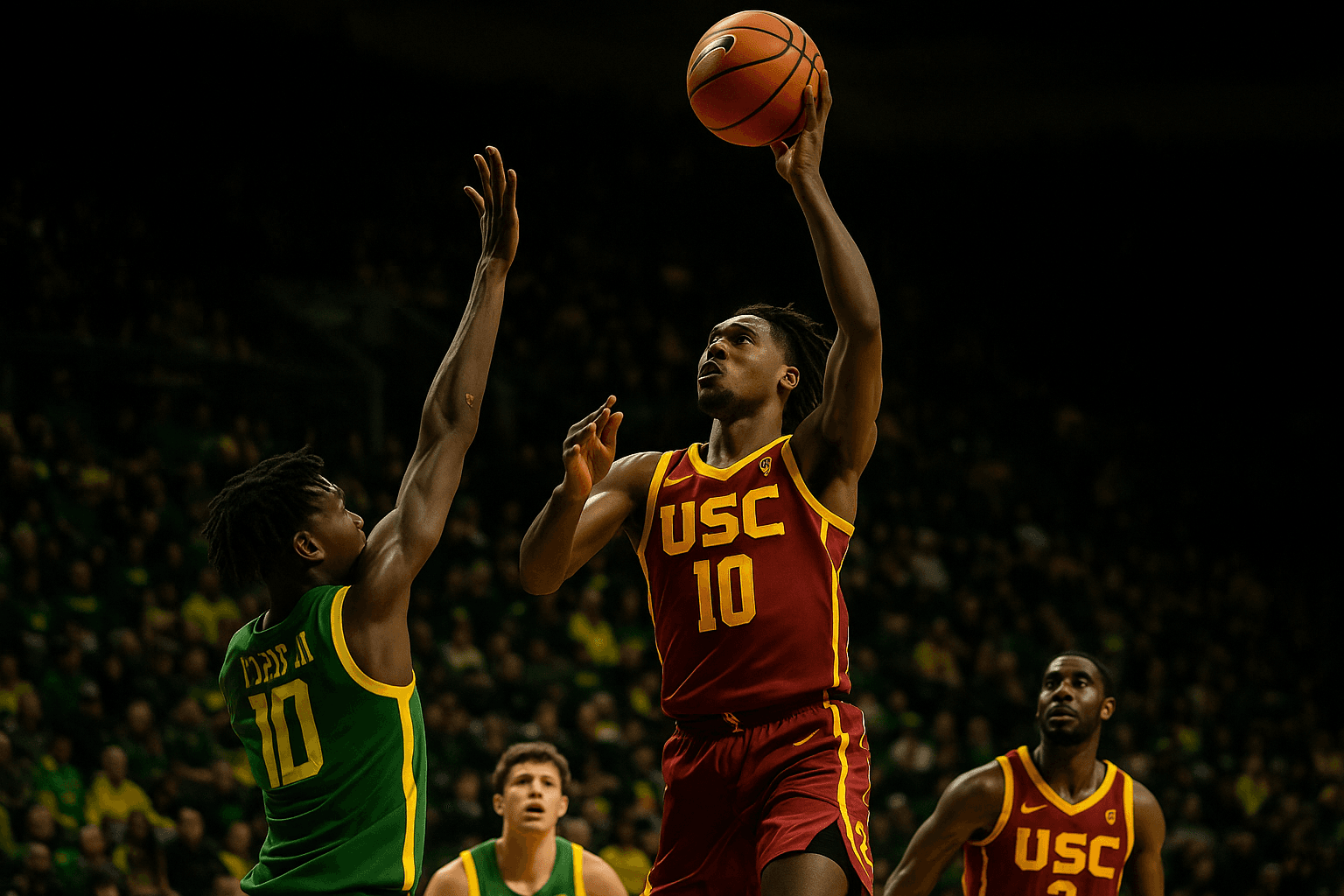
As the Ducks regroup, the visual record from Matthew Knight Arena will remain a vivid account of a closely contested game and a touchstone for discussions about how collegiate sports intersect with public health, community wellbeing, and local policy priorities.