Legend Lake Conservation, Land Trust Disputes Shape Local Policy
Legend Lake is a vital spring fed recreation and wildlife area in Menominee County, drawing boaters, anglers, birders and seasonal residents while hosting important conservancy and wetland parcels. Ongoing legal disputes over parcels placed into federal trust and county land use planning decisions have direct consequences for public access, property taxes and habitat protection for local residents.
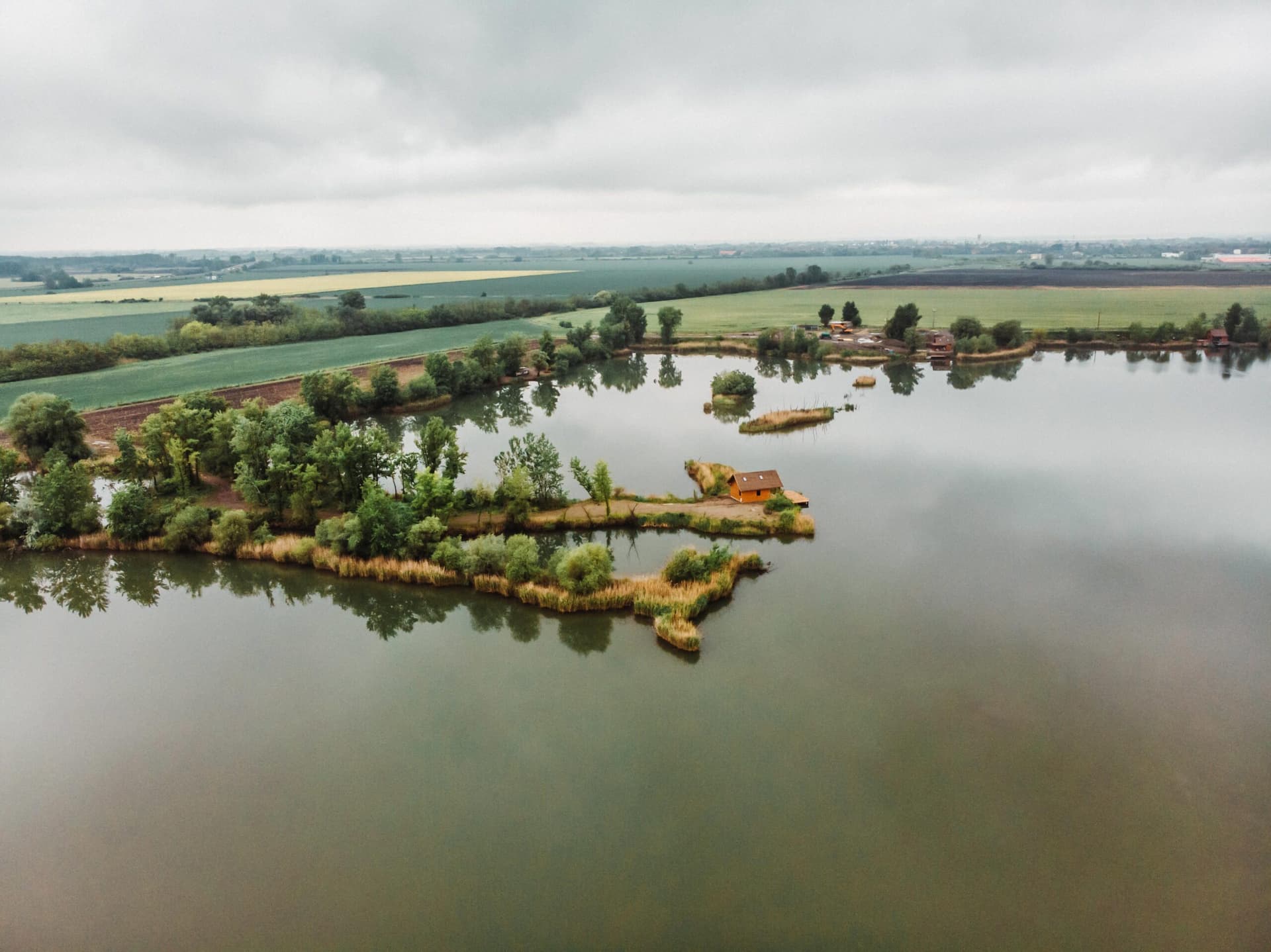
Legend Lake stretches roughly six miles with an extensive shoreline commonly reported at about 47.5 miles. The spring fed lake and adjacent wetlands are a focal point for outdoor recreation and wildlife viewing in the Town of Menominee. Conservancy parcels such as the Legend Lake Spillway and Long Lake conservancies preserve pockets of habitat that support abundant waterfowl and migratory birds, observations documented by local birding groups. The lake supports a mix of permanent and seasonal homes and relies on mapped public access points and launch sites used by anglers and boaters.
At the center of recent local governance scrutiny are disputes tied to land ownership and federal trust status for properties around the lake. Parcels placed into federal trust have prompted litigation and court rulings that altered the relationship between property owner associations, local taxation, and public access expectations. Those legal developments have complicated county natural resources planning and raised questions about how land trust decisions interact with county authority over shoreline management and habitat stewardship.
County planning choices matter because they determine allowable shoreline uses, conservation easements and access points. Local conservancies and county mapping of public access sites play a direct role in on the ground stewardship, but legal uncertainty about ownership and tax status can reduce predictability for property owners and for county budgets that fund conservation work. These issues also carry electoral implications at the ballot box because land use, taxation and resource stewardship are regularly topics in county board and town meetings.

For residents the immediate impact is practical and civic. Decisions about trust status and conservancy boundaries affect where boats can be launched, how shorelines are managed and which habitats receive protection. Community engagement with county planning processes, attendance at town meetings and participation in conservation group mapping efforts will shape future outcomes for access and wildlife protection. Local officials and conservation organizations have roles to play in clarifying maps, maintaining access points and coordinating stewardship plans so that recreational use and habitat conservation can be sustained alongside clear property standards.