Lewisburg Community Garden Donates 1,800 Pounds, Plans Expanded Education
The Lewisburg Community Garden wrapped up its 2025 season on December 6, donating more than 1,800 pounds of produce to local recipients and continuing to rent growing plots to roughly 40 gardeners. Coordinated by Bucknell University personnel, the garden’s mix of volunteer labor and distribution partnerships bolstered local food access and set the stage for expanded educational programming in 2026.
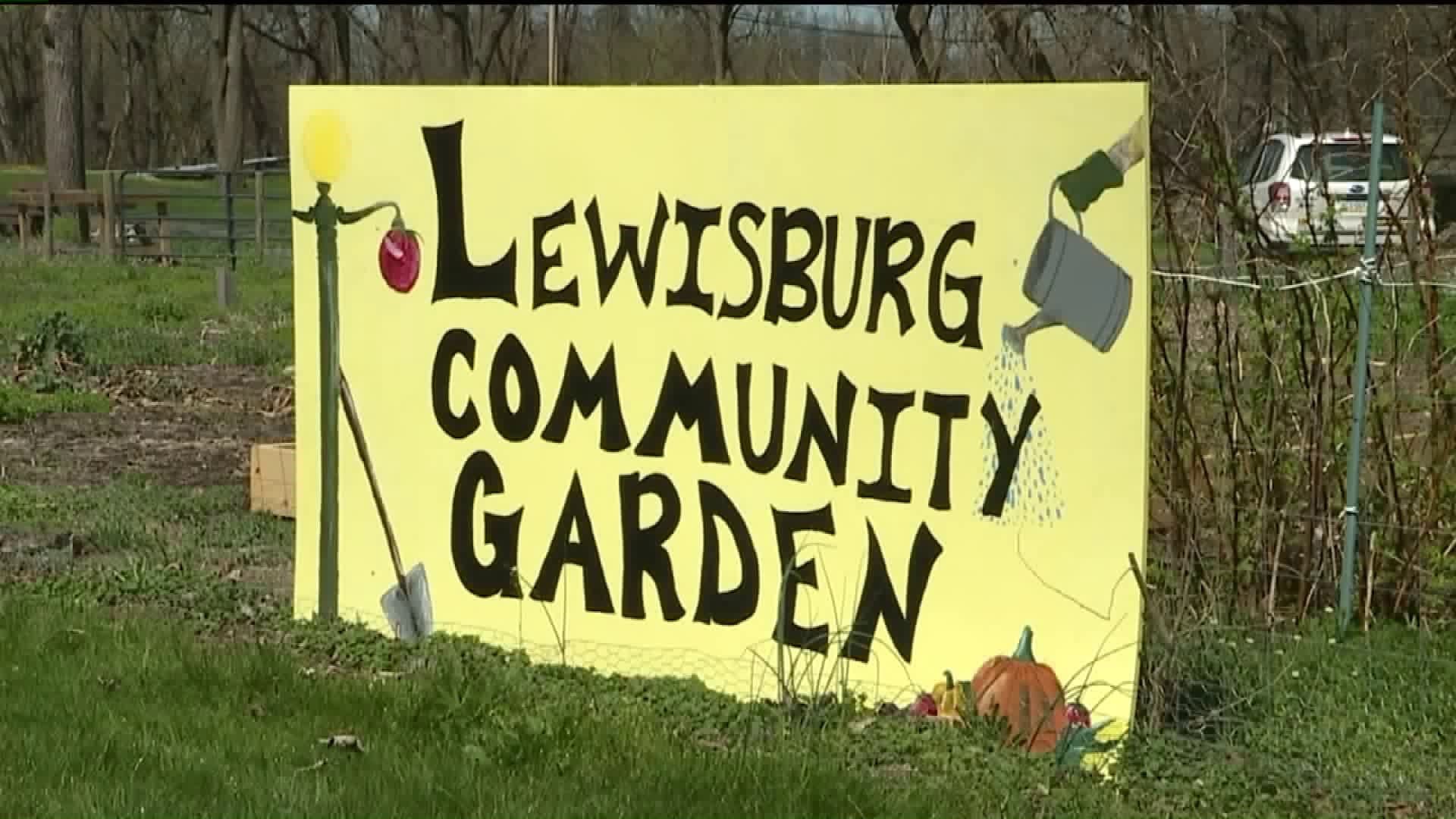
Members of the Lewisburg Community Garden closed their growing season on December 6, 2025, reporting more than 1,800 pounds of produce donated to local recipients and continued plot rentals to about 40 gardeners. The operation is coordinated through Bucknell University personnel, and the season emphasized intergenerational learning and community building around food production.
The donated produce traveled to distribution partners and local recipients, supplementing food assistance efforts and household supplies across Union County. The scale of donations is significant for a small community garden, providing a measurable contribution to local food availability and reducing pressure on emergency food providers during a year of tight budgets and rising grocery prices. Volunteer labor and university coordination helped keep operating costs low, enabling a greater share of harvest to reach residents in need.
Rents for roughly 40 plots sustained regular participation from a cross section of residents, creating steady demand for garden space and hands on learning. Intergenerational exchanges at the site reinforced skills that have economic as well as cultural value, from season planning and soil care to preservation and distribution logistics. Those skills improve household food self reliance and can lower grocery expenses for participating families, while also creating social capital through networks of volunteers and partners.
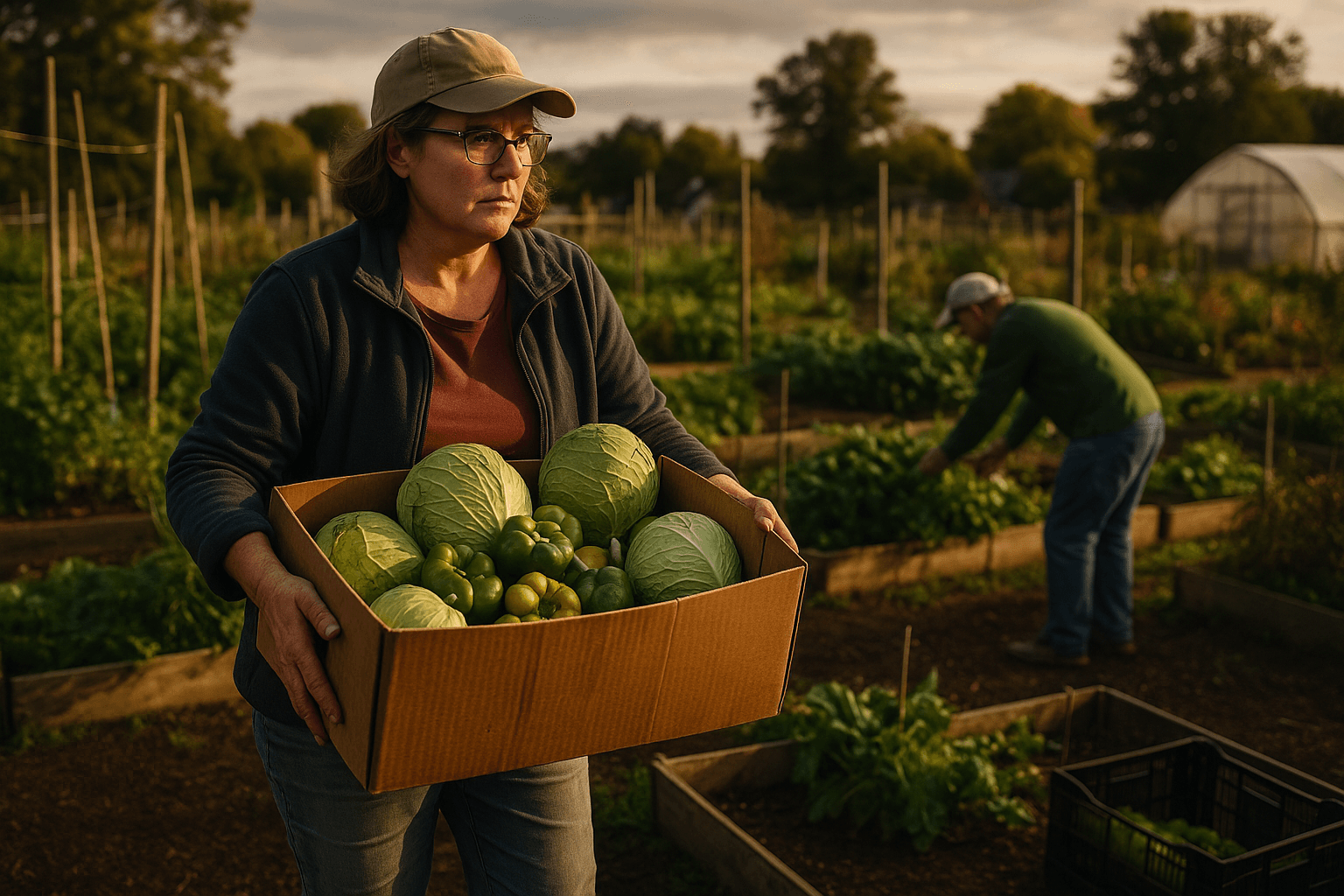
The garden’s organizers signaled plans to expand educational opportunities in 2026, moving beyond basic growing demonstrations to more structured programming. Expanding training could increase productivity per plot, broaden participation and strengthen links between the university, local schools and community service organizations. From a policy perspective, this model points to cost effective ways municipalities and local funders can support food security through small investments in land access, water infrastructure and program staff time.
As community interest in local food has grown, the Lewisburg Community Garden offers a practical example of how modest scale production can translate into tangible benefits. The combination of donated harvest, rental revenue from plots and volunteer effort produced a measurable local impact in 2025 and establishes a foundation for broader educational and community benefits in 2026.
Sources:
Know something we missed? Have a correction or additional information?
Submit a Tip