Library Board Approves 2026 Budget, Governance Disputes Persist
The Dolores Public Library District board unanimously approved its 2026 budget, mill levies, and appropriations during a contentious three hour meeting on December 10. The approval secures funding for library operations and recent technology upgrades, while unresolved tensions over trustee communications and governance practices signal continuing oversight questions for residents into 2026.
The Dolores Public Library District board voted unanimously on December 10 to adopt the district's 2026 budget, along with mill levies and appropriations, concluding a three hour session that was marked as much by procedural dispute as by fiscal action. The board approved the proposed spending plan after the executive director said staff had refined figures since October using final assessed values and recommendations from the finance committee.
Executive Director Sean Gantt outlined recent district activity and work behind the budget, noting that November had been "pretty active" and citing a $15,000 computer overhaul alongside a slate of adult and child programs. With the budget now in place, those technology improvements and program offerings are funded for the coming year and the district has formal appropriations to guide expenditures.
Despite the unanimous vote, much of the meeting focused on internal governance. Trustees debated evaluation processes and board practices, with reporting indicating ongoing conflict over how trustees communicate with one another and with staff. Board members signaled that policy work on communications and governance will continue into 2026, leaving questions about oversight and decision making to be resolved in the months ahead.
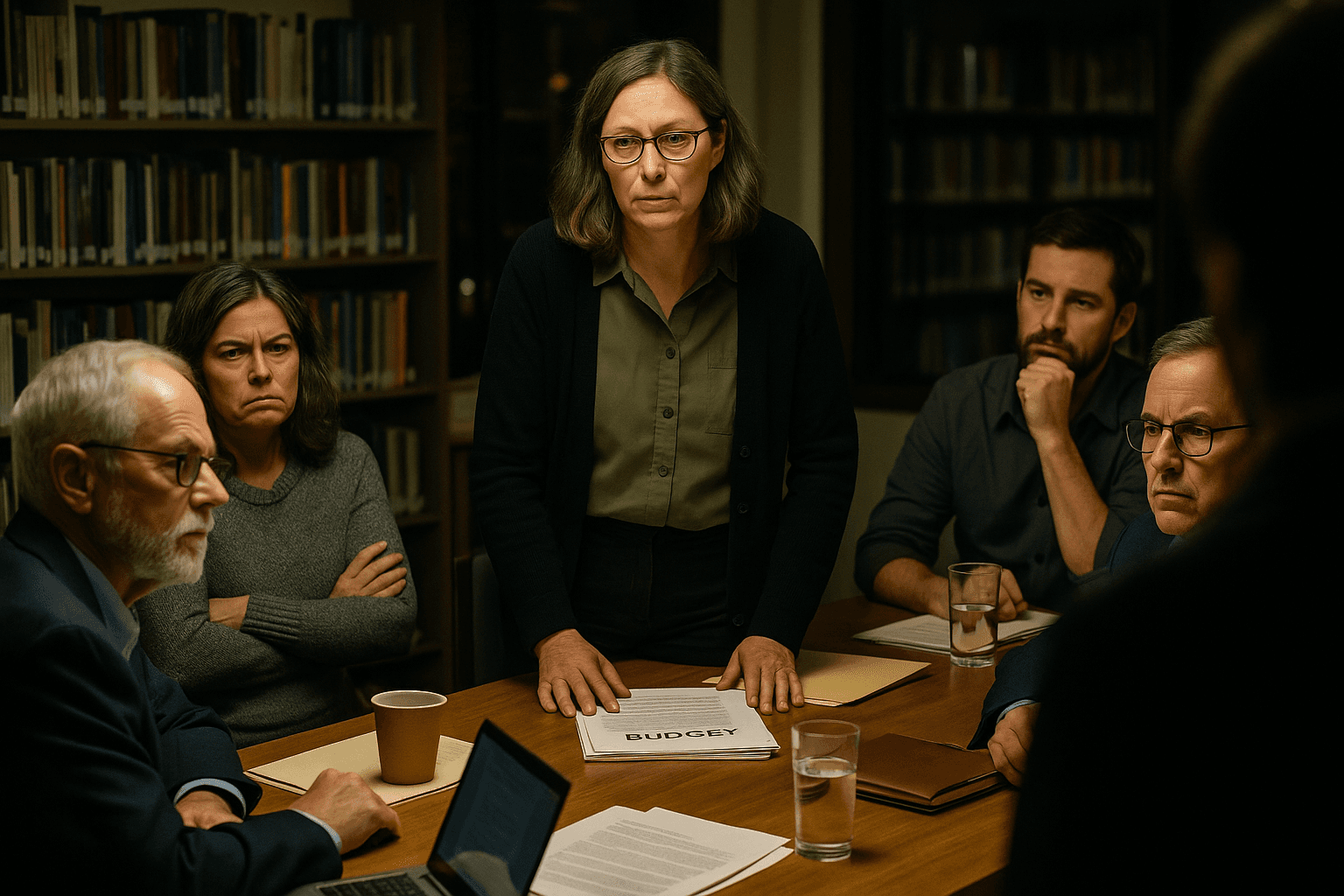
For residents, the budget vote provides near term certainty about library services and planned investments, including the recent technology upgrade and programming that serves families and adults. The approved mill levies set the district's tax framework for the year, which determines the revenue available for operations and services, although the board did not alter its public funding approach during the session.
The governance disputes carry implications for transparency and accountability at the district level. How trustees address communication protocols and formal evaluation policies will affect public confidence, staff relations, and the board's ability to set strategic priorities. With policy work scheduled to continue, residents who rely on library services should expect further board discussion early in 2026 and may consider attending meetings to monitor outcomes.
Sources:
Know something we missed? Have a correction or additional information?
Submit a Tip