Local BMX Veteran Honored, Raises Questions About Youth Safety and Access
Rob Nolli, a 53 year old Oviedo rider and professional BMX performer, was inducted into the Florida BMX Hall of Fame on December 9, 2025, honoring a career that spans more than three decades. His ongoing performances and mentorship in Central Florida highlight both the community benefits of action sports and the public health and equity gaps in safety, access, and long term care for athletes.
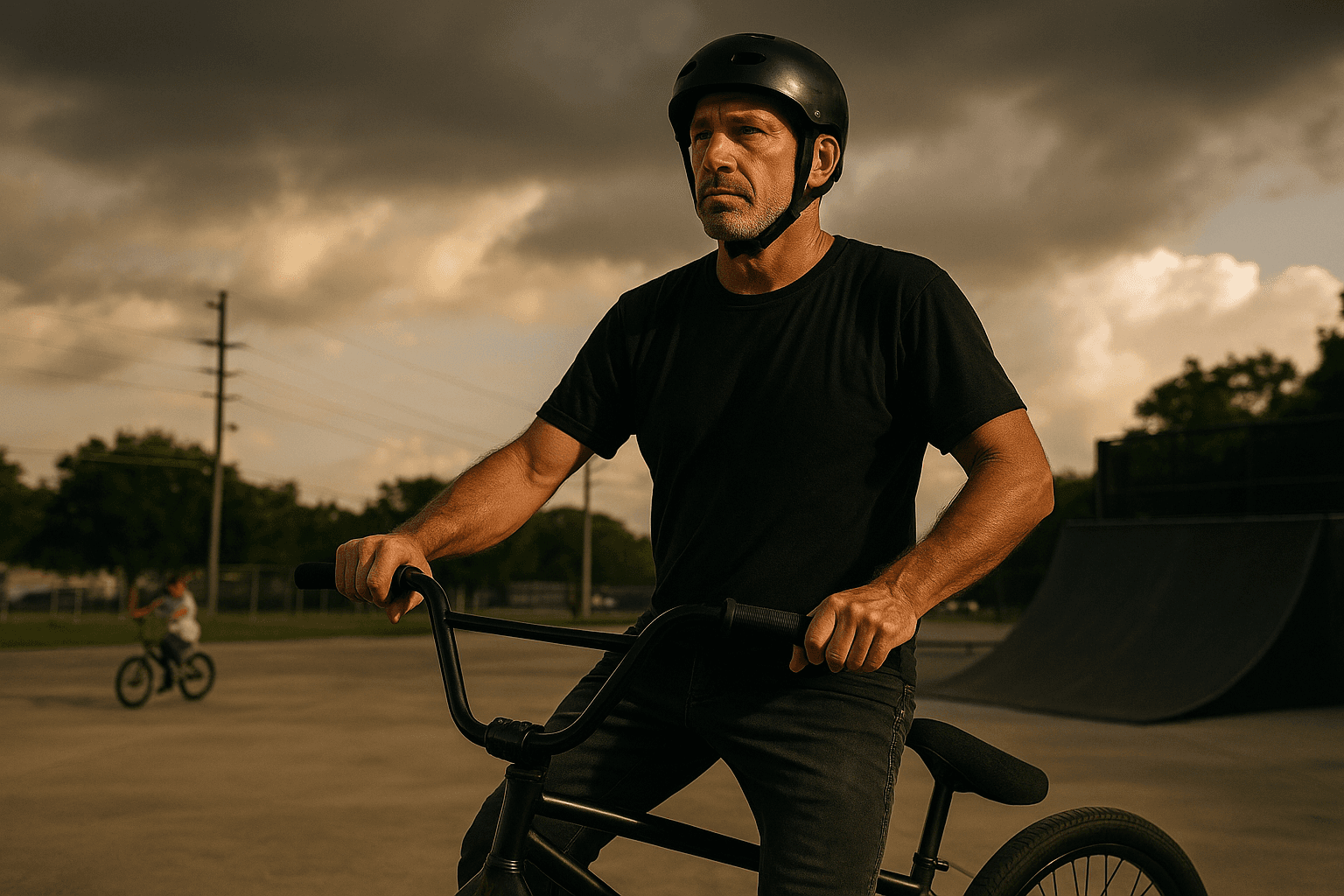
Rob Nolli’s induction into the Florida BMX Hall of Fame on December 9 recognized a lifetime of riding that began in childhood and has stretched across 41 years on two wheels. Nolli, 53, has performed professionally for more than three decades, competed in six X Games, and delivered halftime shows for NBA teams while continuing to perform backflips and other high level aerial stunts at showcases across the United States.
Locally his presence matters beyond spectacle. Nolli reflected on growing up riding many hours a day and said he does not know anyone in their 50s still performing the aerial tricks he does. That longevity positions him as a mentor to younger riders in Seminole County and the broader Central Florida region, drawing attention to community programs, local events, and informal training networks that foster physical activity and skill development.
The public health implications of that activity are complex. BMX and similar action sports carry a risk of traumatic injury that can require emergency care, rehabilitation, and ongoing medical follow up. For Seminole County residents this raises questions about prevention and preparedness, from access to safe, well maintained skate and bike parks to availability of protective equipment and organized training that emphasizes progressive skill building. It also touches on emergency response capacity and equitable access to rehabilitation services for injured youth and adults.
Policy choices at the local level can reduce harm while expanding benefits. Investments in safe public facilities, subsidies or donation programs for helmets and pads, youth coaching programs with certified safety training, and partnerships between hospitals and community organizations on concussion awareness and recovery can help. Ensuring these resources reach lower income neighborhoods will make the sport more inclusive and protect the health of participants across socioeconomic lines.
Nolli’s career is a reminder that action sports contribute to community identity, recreation, and youth development. As he continues to perform and inspire riders around Central Florida, his story underscores an opportunity for Seminole County to support safe access, strengthen injury prevention, and promote equitable opportunities for lifelong physical activity.
Sources:
Know something we missed? Have a correction or additional information?
Submit a Tip