Local Collin County Players Sign Early, Colleges Claim Top Talent
A comprehensive roster of Dallas area high school football players who signed early with college programs listed notable commits from Allen, Celina, Frisco and other Collin County schools, providing names, positions and the colleges they committed to. The roundup matters to local residents because it signals which student athletes will represent the community at the next level, and it raises questions about health coverage, academic support and equity as players transition to college athletics.

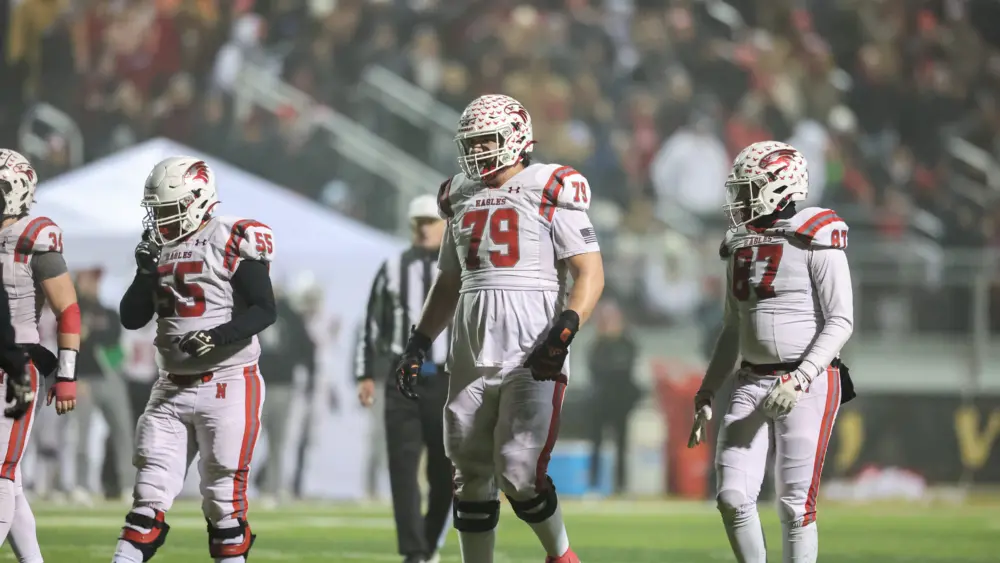
A roster style list of Dallas area high school football players who signed early with college programs was released last week, naming numerous Collin County commits from Allen, Celina, Frisco and other local high schools. The list detailed players names, positions and the colleges they committed to, and served as a regional roundup of early national letters of intent and early signing period activity affecting North Texas athletes. For local fans and families the compilation offered a single place to track which hometown talent is moving on during this recruiting cycle.
Beyond celebration and school pride, the wave of early signings highlights public health and equity issues that follow student athletes as they move to collegiate sports. Transitioning from high school to college typically shifts medical oversight away from school based athletic trainers to college systems, and families should confirm what medical care, injury coverage and mental health services are included with scholarships. Concussion prevention and management remain critical concerns in contact sports, and consistent protocols between high schools and colleges can reduce long term risk for athletes.
The signings also underscore disparities in resources that shape recruiting exposure and health outcomes. Well resourced programs often have greater access to strength and conditioning staff, athletic trainers and recruiting networks, while smaller or underfunded programs may struggle to provide the same level of medical supervision and academic advising. Those gaps can influence which students receive scholarship opportunities and how well prepared they are for the demands of college athletics.
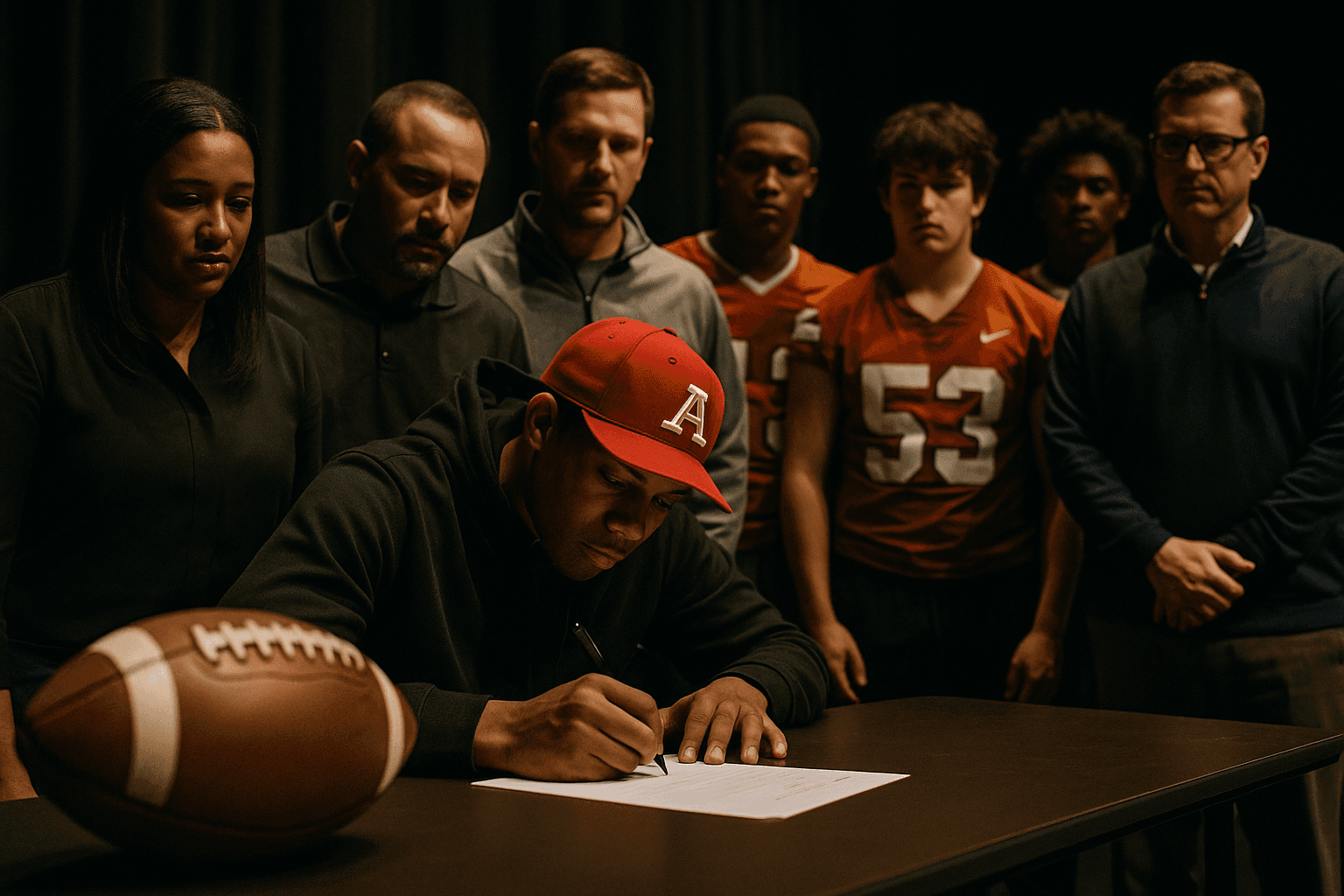
For Collin County leaders, schools and health providers, the recruiting season is an opportunity to coordinate better support for departing seniors and younger athletes. Investing in certified athletic trainers at the high school level, expanding mental health services, standardizing concussion education and ensuring families understand insurance and medical provisions in college offers would help safeguard athletes health and academic futures.
As local players begin their collegiate careers, the community will follow their progress on the field, and must also pay attention to the off field supports that determine whether promising athletes can sustain both their health and their education.
%3Aquality(70)%2Fcloudfront-us-east-1.images.arcpublishing.com%2Fshawmedia%2FPSE52IWXHZG5RDHBYDGAME2MDQ.JPG&w=1920&q=75)