Local extension educator promotes winter sowing for spring gardens
Ohio State University Extension educator Jessica Burns this week offered winter sowing tips for cold-tolerant seedlings and timing to help Vinton County gardeners prepare for spring.
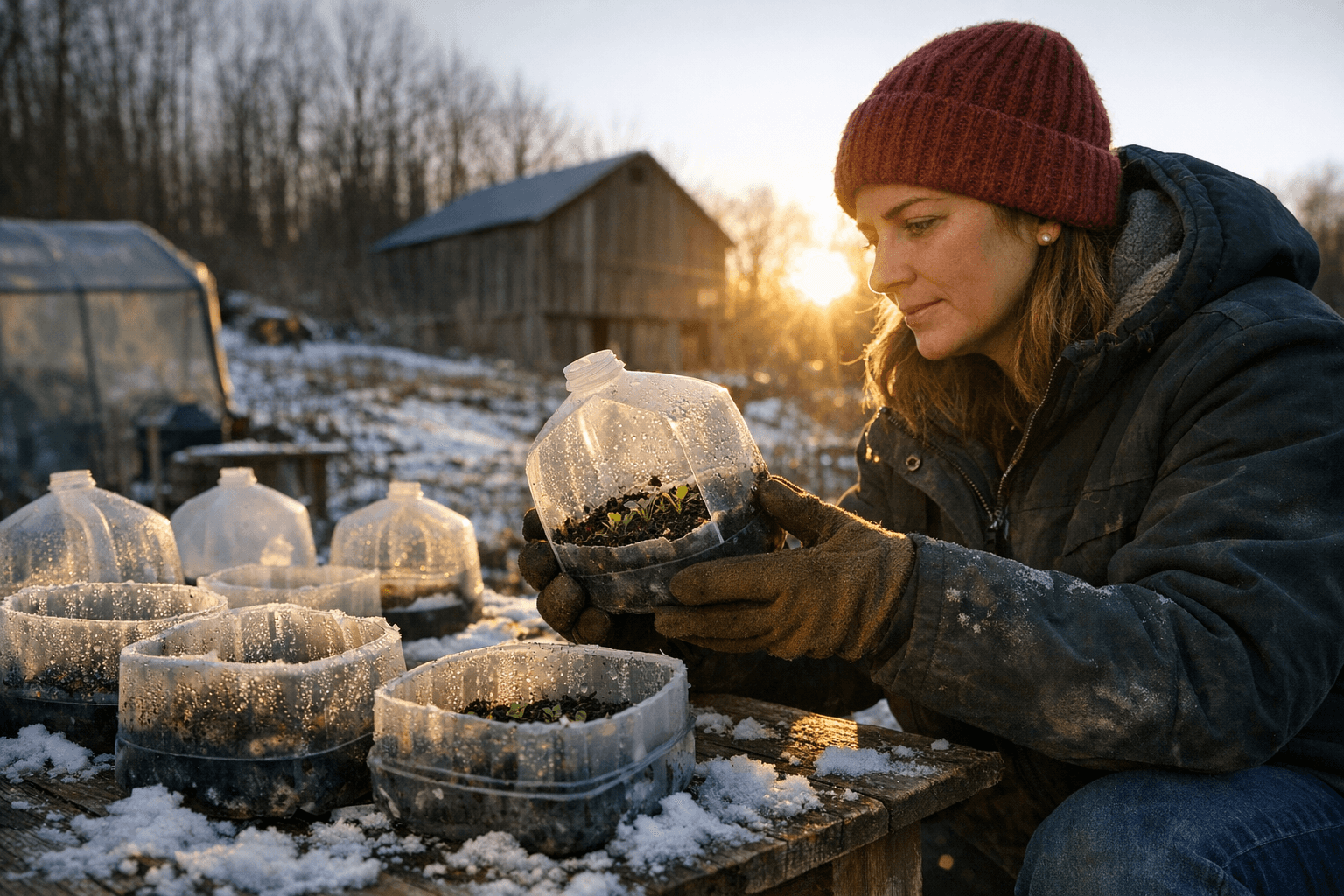
Ohio State University Extension educator Jessica Burns this week outlined a how-to and timeline for winter sowing that Vinton County-area gardeners can use to get a jump on the 2026 garden season. Her guidance focuses on starting cold-tolerant seedlings now — including broccoli, cauliflower, cabbage, kale, lettuce and spinach — and lays out considerations for extending the growing season.
The practical steps Burns described are aimed at gardeners who want to raise early transplants without needing heated space. Starting these cool-weather crops early can spread out harvests and reduce pressure on grocery budgets when fresh produce is scarce. For households that rely on home-grown vegetables for nutrition, an earlier start can mean more vitamin-rich greens through spring, which has clear public health benefits in a rural county with limited fresh-food access.
Beyond individual plots, winter sowing can strengthen community food resilience. Small community gardens, senior centers and food pantries that coordinate planting schedules stand to gain by shifting some work to the winter months. Extension outreach and local seed-sharing networks can make winter sowing practical for gardeners who lack greenhouse space or experience, broadening participation across income levels and ages.
Burns also highlighted timing and season-extension strategies gardeners should consider as they plan. Using simple structures and protective covers can help transplants handle late frosts and lengthen the harvest window, while careful timing prevents overcrowding and wasted seedlings. These techniques matter for backyard growers and volunteer-run garden beds alike; longer, more reliable harvests translate into better nutrition for families and community feeding programs.
The policy angle is straightforward: public investment in extension services and seed access pays dividends in public health and food security. Local funding and volunteer support for extension workshops, seed libraries and tool lending could reduce barriers for people who want to grow food but lack resources. For healthcare providers focused on prevention, community-grown produce offers a low-cost complement to clinical advice about diet and chronic disease management.
For Vinton County gardeners, the short-term takeaway is practical: begin cold-hardy seedlings now and plan for season extension so spring plantings establish earlier and harvests last longer. Our two cents? Start small, share supplies, and tap extension help if you can — a few trays of broccoli or kale planted from winter-sown seedlings can stretch household food dollars and add fresh greens to plates when families need them most.
Sources:
Know something we missed? Have a correction or additional information?
Submit a Tip