Local Gyms Fill Funding Gap for Mariposa Pediatric Hospice
After a corporate sponsor withdrew from Mariposa Pediatric Hospice’s annual Christmas party, local gyms across Albuquerque and Rio Rancho mobilized to replace support and collect toys for affected families. The effort highlights community capacity to fill immediate needs, and raises questions about long term funding stability for pediatric hospice services in Sandoval County and beyond.
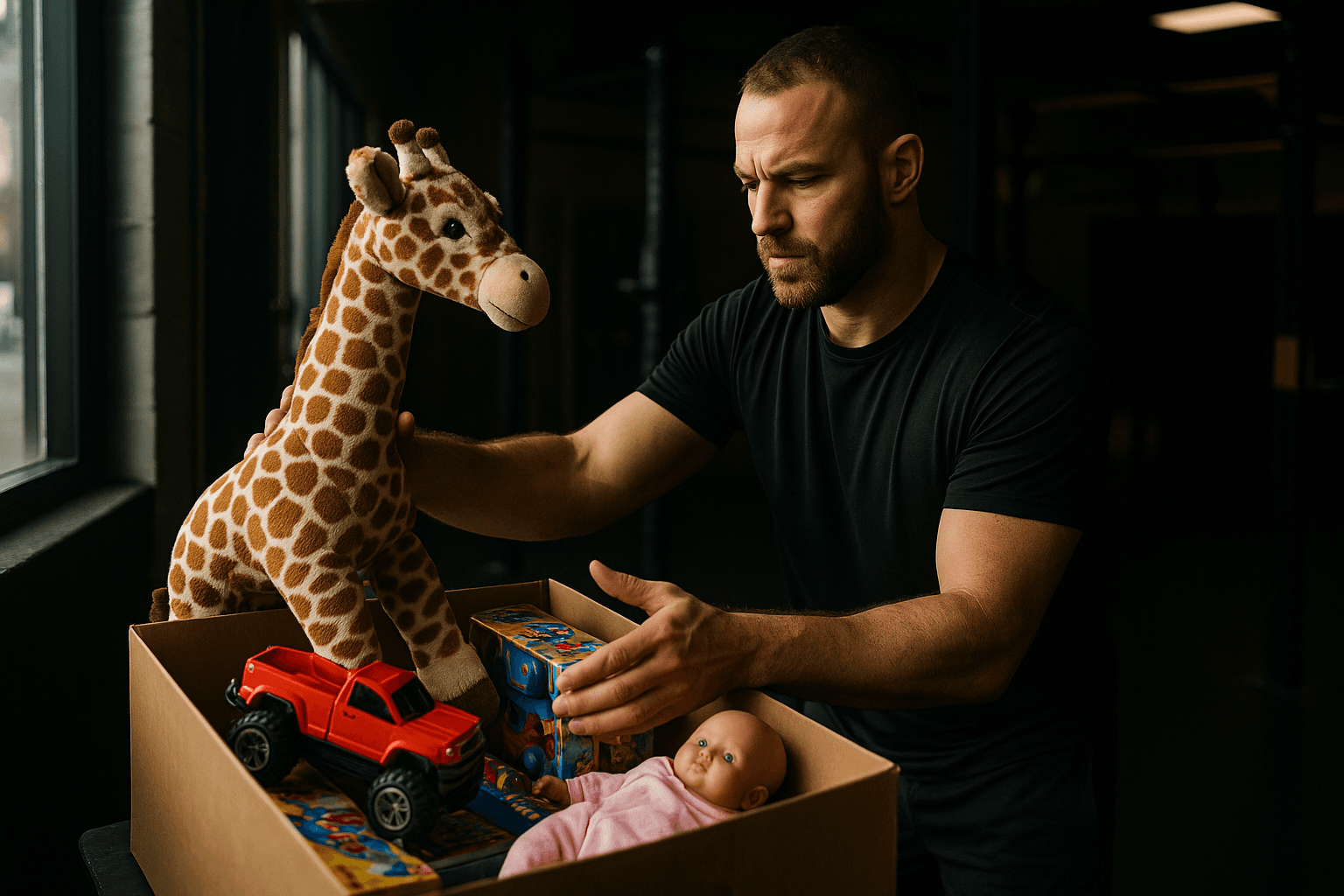
Local fitness centers stepped in this week to support UNM Hospital’s Mariposa Pediatric Hospice after the program lost a corporate sponsor for its annual Christmas party on December 2, 2025. Within days a network of neighborhood gyms organized toy drives and fundraising efforts to ensure children and families served by the hospice would not go without holiday support.
The initiative began when Kelli Johansen, a Mariposa Hospice nurse and client of Lux Fitness, asked the gym for assistance. Valerie Johnson, co owner of Lux Fitness, said the gym responded immediately. "It was like, Absolutely, how could we say no to that?" she said. Johnson converted the gym’s routine First Friday event into a collection point, and then used social media to call on other local fitness centers to join. "I thought we would get some participants. I didn’t know it was going to be to this extent," Johnson said, after 19 gyms across Albuquerque and Rio Rancho agreed to participate.
Mariposa Hospice will distribute toys to siblings in the 20 families it currently supports, and will host a separate event for families who have lost children within the past three years. "We do take care of amazing kiddos and they inspire us and so do their families. So thank you to everyone who’s helping us. It’s, it’s absolutely phenomenal," Johansen said.
Donations can be made online at the UNM fund site through December 15, 2025. Toy collections will continue through that date at participating gyms and sponsors, including Lux Fitness, CrossFit Rio Rancho and several other local fitness centers.
The rapid grassroots response demonstrates strong local civic engagement and the ability of community institutions to meet urgent needs. It also exposes the fragility of nonprofit event funding when dependent on single corporate sponsors. For Sandoval County residents and elected officials the episode underscores policy questions about sustained public and private support for pediatric palliative care, and whether more reliable funding mechanisms are needed to ensure continuity of services for vulnerable families.