Local land conservancies report progress, set priorities for 2026
On December 6, 2025 five northern Michigan land conservancies outlined the gains and setbacks of the year and the work they will carry into 2026. Their updates matter to Grand Traverse County residents because conserved farms, forests, trails and shoreline protect drinking water, support the outdoor recreation economy, and require ongoing public support to maintain public access and resilience.
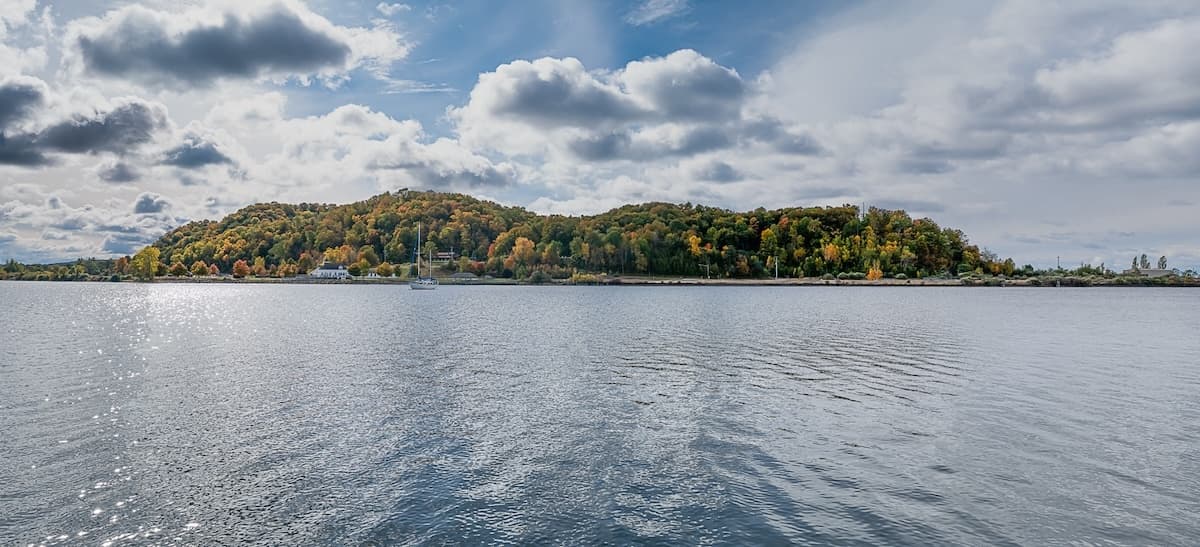
Five nonprofit land conservancies that together protect much of northern Michigan’s public access to trails, shoreline and working landscapes shared a year end account of 2025 accomplishments and the challenges they face heading into 2026. The organizations reported expanded protections, habitat restoration, volunteer mobilization and a need for sustained funding and capacity to steward growing public interest.
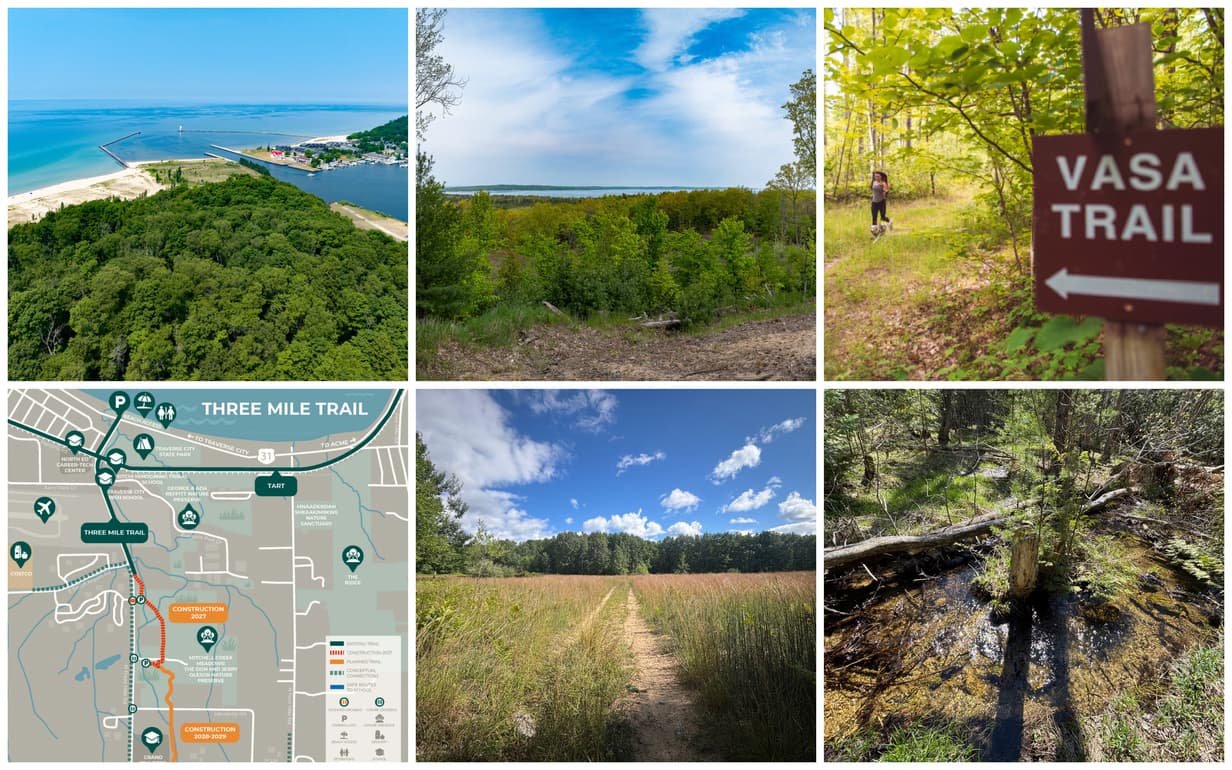
Grand Traverse Regional Land Conservancy reported more than three decades of work across Antrim, Benzie, Grand Traverse, Kalkaska and Manistee counties, with more than 48,000 acres and 157 miles of shoreline conserved to date. In 2025 the conservancy advanced multiple projects, improved trail systems at sites including Green Point Dunes, Pyatt Lake and Arcadia Dunes, planted roughly 2,500 trees and 7,500 native plant plugs, and organized volunteer invasive species removal. A major fundraising effort in 2025 secured funds to acquire waterfront acreage in Elberta and Betsie Bay. The group enters 2026 with 19 board approved active projects, including a proposed preserve called The Ridge in East Bay Township.
Leelanau Conservancy marked a headline win in 2025 by securing Sugar Loaf Scenic Area through a nearly eight million dollar fundraising campaign. The conservancy, which has protected more than 18,000 acres since 1988 and created 28 natural areas with 48 miles of trails, intends to open the first public phase of Sugar Loaf in summer 2026 while continuing long term stewardship.
Little Traverse Conservancy, which has protected more than 73,000 acres and 181 miles of water frontage since 1972, completed a universally accessible trail at Enji minozhiiyaamigak and protected Chigidaaki, Place of the Big Hill Working Forest Reserve. Volunteers helped clear storm damage after the March 2025 ice storm, and the conservancy is prioritizing accessibility and stewardship planning for the coming year.
HeadWaters Land Conservancy added significant acreage in 2025 through projects at Hess Nature Preserve and major wetlands, expanded stewardship and public education with landowner workshops, and is building a multi year roadmap to manage growth and volunteer engagement. Cadillac Area Land Conservancy focused on relationship building and planning for conservation easements that could protect an additional 1,000 plus acres while expanding community outreach.
Across the groups common obstacles included raising large sums for land acquisitions, scaling stewardship capacity as project numbers grow, recovering from weather related damage, and recruiting and training more volunteers. For Grand Traverse County residents those constraints translate directly into risks for shoreline access, trail maintenance, flood and erosion protection, and equitable access for people with mobility limitations. Residents who wish to help can donate, attend volunteer stewardship days, or explore conservation easement options with landowners. Local policymakers and funders can support these efforts with stable financing, technical assistance for stewardship, and policies that prioritize equitable public access as conserved lands expand.
Sources:
Know something we missed? Have a correction or additional information?
Submit a Tip