Local Legion Donation Boosts Veterans Transportation Program in Beltrami County
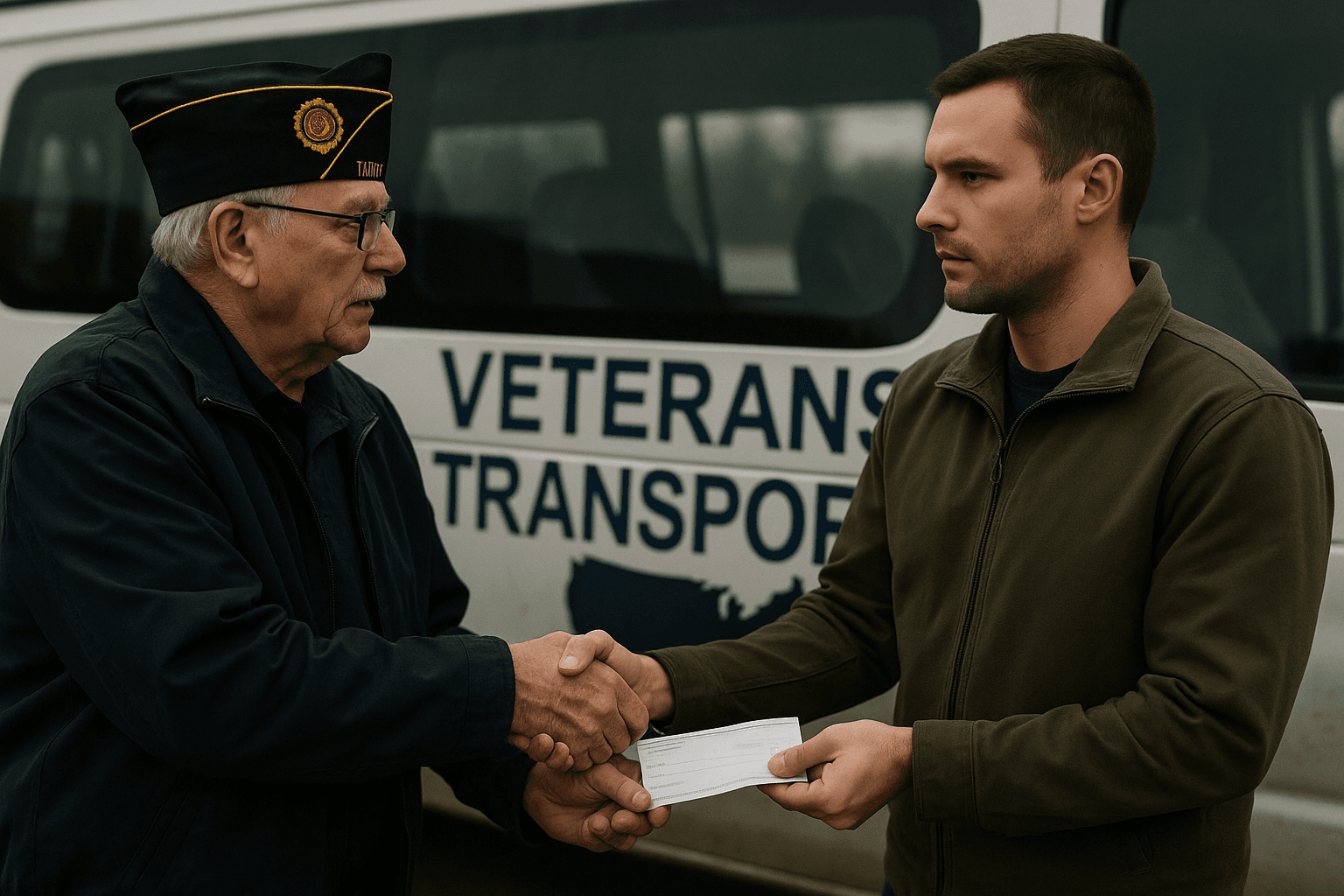
On November 29, Bagley American Legion Irvin Blix Post 16 Commander Jeremy Swenson presented a donation to Logan Sinclair on behalf of the Veterans Transportation Program. The contribution will support program operations that help veterans access transportation, a practical boost to services that matter for health care access and community participation.

On November 29, a small but significant community transfer took place when Bagley American Legion Irvin Blix Post 16 Commander Jeremy Swenson handed a donation to Logan Sinclair for the Veterans Transportation Program. The brief community report accompanying the presentation included a photograph of the handover and indicated the gift will be used for program operations that assist veterans with transportation needs.
The Veterans Transportation Program serves as a logistical lifeline for veterans who need rides to medical appointments, agency offices, and community services. In rural counties like Beltrami, where travel distances and limited public transit present barriers, volunteer and nonprofit transportation supports fill a critical gap. The donation from a local American Legion post contributes directly to day to day operations that keep that support running.
Local implications are practical and procedural. Small private contributions help cover fuel, vehicle maintenance, scheduling software, and volunteer coordination. Those operational costs are not always fully covered by state or federal grants, so local donations can be the difference between maintaining service levels and cutting routes or restricting eligibility. For veterans with mobility challenges or limited household transportation, reliable service affects access to health care, benefits appointments, and social connection.
Institutionally, the transaction highlights how veterans service organizations and county programs collaborate to deliver services. Coordination among the American Legion, the county human services infrastructure, volunteer drivers, and any partner agencies determines program resilience. Sustained funding and clear operational oversight will be necessary to convert occasional donations into long term program stability.
Civic engagement is also on display. The American Legion’s involvement illustrates community based support for veterans and provides a visible reminder to elected officials and agency leaders that veterans transportation remains a local priority. For voters and policymakers, continued attention to funding and governance of these services can shape outcomes for a politically engaged veteran population.
The November 29 presentation is a modest event, but its consequences ripple across access to services and community accountability. Continued reporting and public oversight will be important to ensure donated dollars translate into reliable rides for veterans across Beltrami County.


